
- 1. Starting a Fire in Wet Weather
- 2. Essential Tools for Fire-Starting
- 3. Fire-Starting Techniques in Rain
- 4. Real-Life Cases and Expert Advice
- 5. Recommendations for Best Camping Gear
1. Starting a Fire in Wet Weather
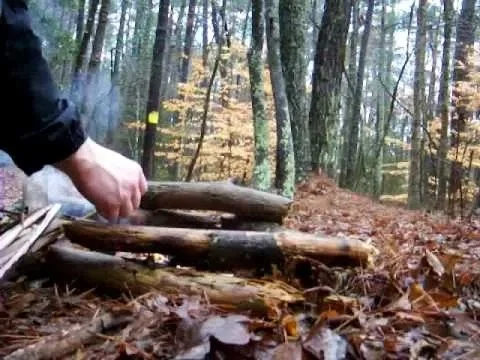
Starting a fire when the weather is wet or rainy can be a real challenge, but with the right approach, it's absolutely possible. Whether you're a seasoned outdoorsman or a novice camper, understanding the key techniques for igniting a fire in these conditions can be a life-saving skill. Wet wood and soggy tinder can seem like insurmountable obstacles, but with the correct knowledge and tools, you'll be able to overcome them.
The first step in starting a fire in wet conditions is to ensure you can find dry materials. While the surface of wood may be wet, the inner layers can often be dry enough to burn. Look for dead, fallen branches that are protected from the rain or find wood with a good amount of bark to protect the inner core from moisture.
Pocono Point RV & Campground
LehightonCarbon CountyPennsylvania
1500 Rock St, Lehighton, PA 18235, USA
2. Essential Tools for Fire-Starting
When it comes to starting a fire in the rain, the right tools can make all the difference. A few essential items can help you get the fire going despite the soggy surroundings.
- Fire Starter: Consider using waterproof fire starters such as magnesium fire starters, which are ideal in wet conditions. These can generate enough heat to ignite even damp wood.
- Dry Tinder: Carrying dry tinder is crucial. Cotton balls soaked in petroleum jelly or dryer lint are great options as they ignite quickly and burn for a long time.
- Fire Steel or Waterproof Matches: A fire steel is a reliable tool that generates a spark and is not affected by wet conditions. Always have waterproof matches as a backup.
- Kindling: Gather smaller, dry twigs, leaves, and other small materials that can catch fire easily once the initial flame is started.
Having these tools at your disposal will make the process much easier and increase your chances of success in wet conditions.
Phoenix Mobile Homes Inc
PhoenixvilleChester CountyPennsylvania
1330 Charlestown Rd, Phoenixville, PA 19460, USA
3. Fire-Starting Techniques in Rain
Now that you've gathered your materials and tools, let's dive into the techniques to start a fire in the rain. There are several methods that experts recommend:
- Build a Shelter for the Fire: The first step when starting a fire in the rain is to protect it from further moisture. Create a shelter for your fire, whether that means using a tarp, finding a cave or rock overhang, or constructing a lean-to out of branches.
- Use the Teepee Structure: One effective fire structure is the teepee, where you place your kindling in a small pyramid shape. This allows the fire to burn upward and dry out the wood as it burns.
- Use the Dakota Hole: This is a survivalist technique where you dig a small hole in the ground and build your fire in it. The hole helps shield the fire from wind and rain while allowing the fire to burn more efficiently.
- Use the Fire-Plough Technique: Another method involves using a knife or sharp object to create a groove in the wood. This allows you to focus the sparks in one area to ignite the fire more easily.
Once the fire catches, be sure to feed it small, dry pieces of wood gradually, ensuring it stays strong and doesn't go out in the rain. You may need to keep adding fuel and adjusting your shelter as the fire burns.
4. Real-Life Cases and Expert Advice
Many survivalists and campers have faced the challenge of starting a fire in wet conditions. One well-known case is that of the Survivalist’s Fire Challenge, where expert campers were asked to demonstrate how to start a fire using only natural resources in a rainstorm. Their success hinged on using a combination of techniques, such as building shelters for the fire, using dry tinder, and leveraging waterproof fire starters. Their stories offer real-world insights into the best strategies for survival when faced with adverse weather conditions.
Additionally, expert advice emphasizes the importance of practicing fire-starting techniques before heading into the wilderness. Being familiar with your tools and materials can make a huge difference in high-pressure situations.
5. Recommendations for Best Camping Gear
If you're planning a trip where wet weather is likely, it’s crucial to have the right gear. At Camping Cabins, we offer a wide selection of camping gear designed for rainy conditions. Here are some top recommendations:
- Waterproof Fire Starters: Choose high-quality fire starters that are resistant to moisture, ensuring that you can always get a flame when needed.
- Emergency Survival Kits: These kits often include waterproof matches, magnesium fire starters, and other useful tools that can help in emergency situations.
- Weatherproof Tents and Shelters: A durable, weatherproof tent can protect you from rain and wind, ensuring that you stay dry while trying to build your fire.
Visit Camping Cabins to explore our complete selection of reliable camping gear designed to keep you safe and prepared, no matter what the weather throws your way.


 Willow Pond RV Campground3.0 (15 reviews)
 Berryman's Branch4.0 (158 reviews)
 Belleplain Gate House4.0 (13 reviews)
 CHSP Group Camp sites4.0 (5 reviews)
 Delaware Seashore State Park North Campground4.0 (168 reviews)
 Mountain Village Community3.0 (59 reviews)
 Why Winter is the Best Time for a Camping Cabin Getaway
 Best Remote Camping Cabins for Stargazing and Night Adventures in the U.S.
 The 10 Must-Have Amenities for a Comfortable Stay in Your Camping Cabin
 Winter Camping Cabins: How to Stay Cozy and Warm in the Cold
 How to Create the Ultimate Outdoor Experience with a Camping Cabin
 Best Camping Cabins with Stunning Views of National Parks and Forests