
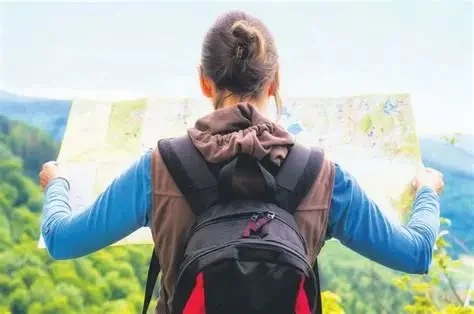
1. Why Hiking in Remote Locations Can Be Risky
Hiking in remote camping locations offers a sense of adventure, solitude, and a deep connection with nature. However, the isolation and rugged terrain come with their own set of challenges and risks. From unpredictable weather to the potential for injury or getting lost, it's important to be well-prepared before setting off into the wilderness.
2. How to Prepare for Your Remote Hiking Trip
Preparation is key to ensuring your safety when hiking in remote areas. Without proper planning, even a short hike can turn into a dangerous situation. Here's how you can get ready:
2.1. Choose the Right Location
First, research your hiking destination. Remote areas may lack cell service or rescue access, so it’s essential to choose a trail that matches your skill level and experience. Look for well-marked trails and be sure to check online forums or guidebooks for current conditions.
2.2. Pack the Right Gear
Bringing the right gear is critical. Here’s a checklist for remote hiking:
- Sturdy hiking boots
- A high-quality map and compass or GPS device
- Enough food and water for the entire trip
- A first-aid kit
- Weather-appropriate clothing and layers
- Headlamp or flashlight with extra batteries
- Emergency whistle
2.3. Inform Someone of Your Plan
Before heading out, always tell a friend or family member where you're going, what route you plan to take, and when you expect to return. This will help authorities track you in case something goes wrong.
3. Navigation Tips for Remote Hiking
Knowing how to navigate is crucial when hiking in areas where signage may be scarce, and trails can be difficult to follow. Use the following tips to stay on track:
3.1. Use Technology Wisely
Modern technology, such as GPS apps and digital maps, can help you stay oriented. However, make sure your devices are fully charged and carry a backup power source, as battery life may be limited in remote areas.
3.2. Traditional Navigation Skills
In case your devices fail, it's essential to know traditional navigation methods. Learn how to read a compass, use terrain features to guide you, and track your progress along the trail. Bring a physical map as a backup.
3.3. Know How to Spot Key Landmarks
Familiarize yourself with key landmarks along your route. Recognizing natural features such as rivers, mountain peaks, or distinctive rock formations can help you determine your position even when trails aren't marked clearly.
4. How to Handle Wildlife Encounters
In remote areas, you may encounter wildlife such as bears, snakes, or other potentially dangerous animals. Here’s how to handle such encounters safely:
4.1. Be Bear-Aware
If you're hiking in bear country, take precautions to avoid attracting bears. Store food in bear-proof containers, keep your distance, and make noise as you hike to alert bears to your presence. In case of an encounter, stay calm and slowly back away.
4.2. Snake Safety
Snakes are often found in remote, rocky areas. Stay alert when hiking in tall grass or rocky terrain, and avoid stepping over rocks or logs without looking first. Wear high boots to reduce the risk of snake bites.
4.3. Minimize Attraction to Wildlife
Keep food securely stored in airtight containers or bear canisters, and never leave food scraps behind. Also, avoid leaving scented items like toiletries in your tent to reduce attracting animals.
5. Dealing with Emergencies in Remote Locations
Emergencies are more difficult to handle in remote locations, but with the right mindset and preparedness, you can navigate them effectively:
5.1. First-Aid Knowledge
Know basic first-aid skills to treat common injuries like sprained ankles, cuts, and blisters. Carry a well-stocked first-aid kit and know how to use each item. For more serious injuries, understand how to stabilize the victim until help arrives.
5.2. Emergency Communication
If you’re in an area with no cell service, consider bringing an emergency satellite phone or a personal locator beacon (PLB). These devices can send distress signals to rescue teams if you’re in serious trouble.
5.3. Staying Calm and Rational
In any emergency, staying calm is essential. Panicking can worsen the situation. Assess your options logically and try to think ahead. Always have a plan for what to do in case of unexpected events.
6. How to Stay Safe in Extreme Weather Conditions
Weather can change unexpectedly in remote areas, and extreme conditions can pose a threat to your safety. Here's how to prepare for various weather conditions:
6.1. Stay Prepared for Sudden Weather Changes
Even in the summer, temperatures can drop rapidly in high altitudes. Be prepared with layers, a waterproof jacket, and a thermal blanket in case of cold weather. Always check the forecast before heading out, and keep an eye on the sky for signs of incoming storms.
6.2. Avoid Hiking in Extreme Heat
If you're hiking in desert areas, the heat can be overwhelming. Carry plenty of water and take frequent breaks in the shade. Avoid hiking in the midday heat when temperatures are highest.
7. Why You Should Try Hiking in Remote Locations with Proper Preparation
Hiking in remote locations can be an incredibly rewarding experience if you take the proper precautions. It allows you to disconnect from the busy world, immerse yourself in nature, and challenge your physical and mental endurance. By following these tips and preparing thoroughly, you can minimize risks and ensure a safe, enjoyable adventure in the wilderness.
If you're looking for more tips on gear and services for your next remote hiking trip, check out Camping Cabins for the best products and recommendations to make your outdoor adventure a success!


 Skyline RV Camp4.0 (99 reviews)
 New England Village2.0 (3 reviews)
 Deep Branch Family Campground4.0 (170 reviews)
 Sea Grove Camping Resort4.0 (170 reviews)
 Horse Campground Reservation5.0 (1 reviews)
 Quail Hill Scout Reservation4.0 (182 reviews)
 Why Winter is the Best Time for a Camping Cabin Getaway
 Best Remote Camping Cabins for Stargazing and Night Adventures in the U.S.
 The 10 Must-Have Amenities for a Comfortable Stay in Your Camping Cabin
 Winter Camping Cabins: How to Stay Cozy and Warm in the Cold
 Best Camping Cabins with Stunning Views of National Parks and Forests
 How to Create the Ultimate Outdoor Experience with a Camping Cabin