
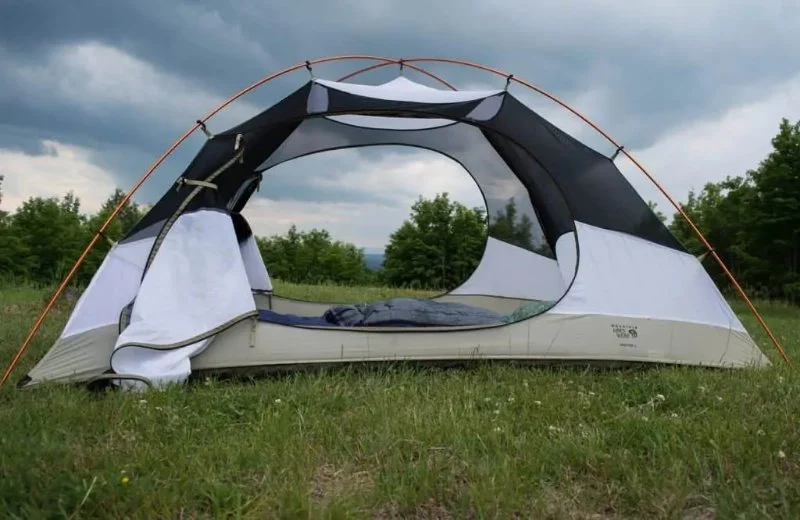
- Why You Need a Tent Footprint
- Signs You Don’t Need a Tent Footprint
- How to Choose the Right Tent Footprint
- Tent Footprint Materials
- Where to Buy Tent Footprints
- How Camping Cabins Can Help
Why You Need a Tent Footprint
A tent footprint is a simple yet essential accessory for any camper looking to protect their tent and enhance their overall camping experience. This protective layer fits under your tent and serves multiple purposes, including:

Colchester Commons
ColchesterSoutheastern Connecticut Planning RegionConnecticut
17 Colchester Cmns, Colchester, CT 06415, USA
1. Protecting the Tent Floor
Tent floors can easily become damaged from rough or uneven terrain. Sharp rocks, sticks, and abrasive surfaces can wear down the material over time, leading to holes and tears. A tent footprint acts as a protective barrier, shielding the bottom of your tent from damage.

2. Providing Additional Insulation
A tent footprint helps provide extra insulation between the cold ground and the floor of your tent. During colder months, this added insulation can improve comfort and keep the inside of your tent warmer, allowing for a better night's sleep.
3. Preventing Moisture Buildup
Moisture from the ground can seep into your tent, making it damp and uncomfortable. A waterproof tent footprint adds a layer of protection that helps keep the moisture out, ensuring a dry and cozy environment inside your tent, even in wet conditions.
Signs You Don’t Need a Tent Footprint
While tent footprints are highly beneficial, not every camper will need one. Here are some signs that you may not require a tent footprint:
1. Built-In Protective Layers
Some modern tents come with reinforced floors or built-in protective layers that make a separate footprint unnecessary. Check your tent’s specifications—if the floor is made from durable, waterproof materials, you might not need an additional layer underneath.
2. Camping in Protected Areas
If you’re camping in a protected area like a well-maintained campsite with smooth, grassy terrain, the risk of damage to your tent floor is minimal. In these environments, you may not need a footprint, especially if you’re only staying for a short time.
3. Lightweight Backpacking
If you’re a minimalist camper or lightweight backpacker, you may prioritize packing as light as possible. In these cases, leaving out the tent footprint can save weight and space in your pack, especially if your tent floor is already durable enough to handle the conditions.
How to Choose the Right Tent Footprint
If you decide that a tent footprint is the right choice for your camping needs, here’s how to select the best one:
1. Size and Fit
The footprint should match the size and shape of your tent’s floor. A footprint that’s too large or too small won’t provide adequate protection. Be sure to measure your tent’s dimensions and choose a footprint that fits perfectly beneath it.
2. Material Quality
The material of the footprint should be durable enough to withstand the elements. Look for footprints made from high-quality, tear-resistant, and waterproof materials like polyester or nylon. Some footprints even feature a reinforced surface to prevent punctures from sharp objects.
3. Weight
If you’re backpacking or trekking long distances, the weight of your tent footprint can be an important factor. Choose a lightweight, compact footprint that doesn’t add unnecessary bulk to your gear.
4. Waterproofing
Opt for a footprint with a high waterproof rating to ensure maximum protection against moisture. This is especially important if you’re camping in areas prone to rain or wet conditions, as the footprint will act as an extra barrier against water seepage.
Tent Footprint Materials
When choosing a tent footprint, it’s important to consider the materials used in its construction. Here are some of the most common materials used for tent footprints:
1. Polyethylene
Polyethylene is a popular material for tent footprints due to its durability and water resistance. It provides a sturdy layer that can withstand rough ground conditions and protect the tent floor from sharp objects. Polyethylene footprints are usually thicker, offering added protection and insulation.
2. Nylon
Nylon is another common material for tent footprints. It’s lightweight and compact, making it a good choice for backpackers who need to save space and weight. Nylon footprints are often coated with a waterproof layer to provide moisture protection.
3. Polyester
Polyester footprints are lightweight and resistant to UV damage, making them a great option for long-term use. Polyester also offers good water resistance and can handle a variety of outdoor conditions, making it a versatile choice for various camping scenarios.
Where to Buy Tent Footprints
When purchasing a tent footprint, it's important to choose a reliable retailer that offers quality products. You can find tent footprints at many outdoor gear stores, both online and in physical locations. Look for reputable brands that specialize in camping and outdoor gear.
At Camping Cabins, we offer a variety of tent footprints from top brands to suit your specific camping needs. Whether you’re looking for a lightweight option for backpacking or a heavy-duty footprint for rugged terrain, we’ve got you covered. Visit our website to find the perfect footprint for your tent!
How Camping Cabins Can Help
If you’re gearing up for your next outdoor adventure and need help choosing the right tent footprint, Camping Cabins is here to help. We offer expert advice, a wide selection of camping gear, and reliable shipping to get you the best products for your trip. Let us help you make your camping experience more comfortable and enjoyable with the right gear!


 Oceanside Drive-In Campground4.0 (118 reviews)
 Patapsco Valley State Park- McKeldin Area Youth Camping Parking Lot5.0 (3 reviews)
 Swains Lock Hiker/Biker Campsite4.0 (116 reviews)
 Alpine Heights5.0 (1 reviews)
 Maple Square Mobile Home Park4.0 (125 reviews)
 Silvermead4.0 (96 reviews)
 Why Winter is the Best Time for a Camping Cabin Getaway
 Best Remote Camping Cabins for Stargazing and Night Adventures in the U.S.
 The 10 Must-Have Amenities for a Comfortable Stay in Your Camping Cabin
 Winter Camping Cabins: How to Stay Cozy and Warm in the Cold
 How to Create the Ultimate Outdoor Experience with a Camping Cabin
 Best Camping Cabins with Stunning Views of National Parks and Forests