
- what-makes-off-grid-camping-cabins-special
- top-off-grid-camping-cabins-in-the-u-s-for-nature-lovers
- how-to-choose-the-right-off-grid-cabin
- stories-from-off-the-grid-authentic-adventures
- off-grid-survival-and-comfort-tips-for-modern-campers
1. What Makes Off-Grid Camping Cabins Special?
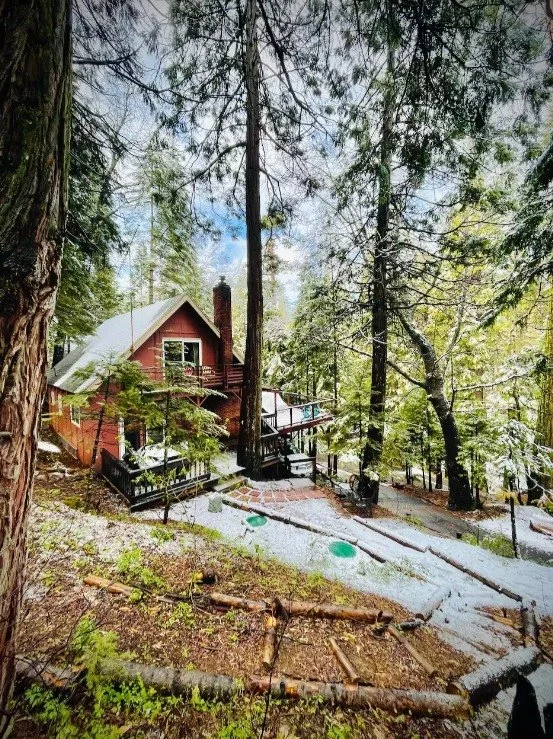
Imagine waking up to birdsong, no Wi-Fi notifications, no cars zooming by—just the sound of wind in the trees and the crackle of your morning fire. The best off-grid camping cabins for an ultimate nature experience offer this and more. They're for people who want to disconnect to reconnect—with nature, with themselves, and with those around them.
1.1. Pure Escape from Modern Distractions
Off-grid means no internet, no cable, often no electricity—and that's the point. These cabins invite a digital detox, letting you fully immerse in nature without the constant ping of technology. It's the kind of quiet that resets your mind and recharges your spirit in a way no screen time ever could.
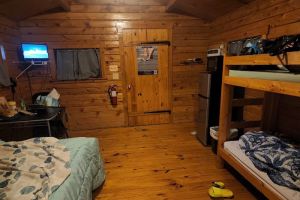
Ponderosa Campground
Middle TownshipCape May CountyNew Jersey
18 W Beaver Dam Rd, Cape May Court House, NJ 08210, USA
1.2. Closer Connection to Nature
Without artificial lighting or noise pollution, you're more likely to hear coyotes at night, see a blanket of stars, or witness deer walking past your window. It's not just about being in nature—it's about being part of it.
1.3. Sustainable Living in Action
Many off-grid cabins use solar power, composting toilets, and rainwater systems. Staying in one isn't just a getaway—it's a hands-on education in sustainable living. These cabins prove that comfort and conservation can go hand in hand.
2. Top Off-Grid Camping Cabins in the U.S. for Nature Lovers
The U.S. is home to countless stunning off-grid cabin experiences. Whether you're craving alpine peaks or desert solitude, these destinations deliver the ultimate nature immersion.
2.1. Moosehead Lake Region, Maine
Far from any major city, this rugged wilderness in northern Maine is home to hand-built log cabins powered by solar panels. Wake to loons calling across the lake and spend your days hiking, paddling, or simply sitting by a fire with zero distractions.
2.2. Big Sur, California
Tucked into the redwood groves along the Pacific, these coastal cabins are often accessible only by foot. They offer unparalleled ocean views and access to wildflower-strewn hiking trails. No Wi-Fi, just waves and wind.
2.3. Colorado’s San Juan Mountains
Here, you’ll find cabins accessible by dirt road and completely surrounded by national forest. Expect high alpine views, unpredictable weather, and trails that begin at your doorstep. They’re favorites for backcountry skiers and late-summer hikers alike.
2.4. Joshua Tree, California
For desert lovers, off-grid cabins near Joshua Tree offer a surreal escape. Solar-powered shelters blend into the landscape, and at night, the stars seem impossibly close. It's perfect for artists, writers, or anyone needing creative solitude.
2.5. Upper Peninsula, Michigan
Cabins here are often set deep in the woods, some near Lake Superior, others beside hidden inland lakes. They’re rustic—many without running water—but the fall foliage, wildlife, and peaceful surroundings make it more than worth it.
3. How to Choose the Right Off-Grid Cabin
Picking the right off-grid experience means thinking beyond location. It’s about understanding what you want to experience—and what you're prepared to live without.
3.1. Know Your Comfort Level
Some cabins have solar electricity and compost toilets. Others are more primitive—think lanterns, wood stoves, and no plumbing. Decide how off-grid you really want to go, and be honest about your limits. A great experience starts with the right expectations.
3.2. Check Access and Seasonality
Many of the best cabins are remote. You might need a 4x4 vehicle or even a hike-in route. Also, some are only accessible in summer or fall due to snow. Always confirm accessibility before booking.
3.3. Plan Ahead for Supplies
Off-grid means no corner store. You'll likely need to bring your own drinking water, cooking fuel, and all meals. Some cabins offer basic kitchen setups; others are BYO everything. Check listings carefully or use platforms like Camping Cabins that help filter by amenities.
3.4. Choose Based on Your Purpose
If your goal is deep hiking, prioritize cabins near trails. For creative retreats, look for scenic views and privacy. Birdwatchers, star-gazers, or those healing from burnout may value silence and simplicity most.
4. Stories from Off-the-Grid: Authentic Adventures
Sometimes, it's the stories that convince us more than the stats. Here are a few true off-grid experiences that might just inspire your own escape.
4.1. Healing in the Hoh Rainforest, Washington
After a burnout from tech work, Jordan, a Seattle-based engineer, took two weeks off in a solar-powered cabin near the Hoh River. “I didn’t look at a screen for 10 days. I journaled, hiked, slept. It was the first time in years I felt human again,” he shared.
4.2. A Proposal in the Ozarks
Emily and Carter chose an isolated cabin near Buffalo National River for a long weekend. “We hiked to waterfalls, made coffee over a fire, and one night, under the stars, he proposed,” Emily says. “There was no cell service, and that made it all the more perfect.”
4.3. A Writer’s Breakthrough in Montana
Novelist Andrea spent a solo week in a woodstove-heated cabin with no electricity. “On day three, I finally stopped doom-scrolling in my head,” she wrote. “By day seven, I had three chapters finished.”
5. Off-Grid Survival and Comfort Tips for Modern Campers
Living without modern conveniences might feel intimidating, but with a bit of planning, off-grid cabin stays can be safe, comfortable, and even luxurious in their own way.
5.1. Embrace Simplicity
Leave the gadgets at home—bring a journal, a good book, a deck of cards. The goal isn’t to replicate home but to simplify. You'll be amazed at how nourishing a simple routine becomes in nature.
5.2. Prep Meals Wisely
Think one-pot meals, non-perishables, and easy-prep foods. Bring a cooler if needed, and don’t forget extra water. If you're staying for several days, meal planning can make your time truly relaxing.
5.3. Stay Safe and Respectful
Let someone know where you’re going. Bring a physical map, a flashlight, and an emergency kit. Respect wildlife, fire rules, and leave no trace. These remote cabins offer freedom—but also responsibility.
5.4. Book with Confidence
Use trusted platforms like Camping Cabins to find off-grid stays with verified guest reviews, detailed amenity descriptions, and seasonal availability. They specialize in pairing campers with remote cabins that suit their level of adventure.


 East Hampton Village Manufactured Home Community4.0 (49 reviews)
 Wading Pines Camping Resort4.0 (435 reviews)
 Terry's Mobile Home Park3.0 (137 reviews)
 Delaware Seashore State Park North Campground4.0 (168 reviews)
 Marsden Tract Group Campground4.0 (38 reviews)
 Thousand Trails Chestnut Lake4.0 (299 reviews)
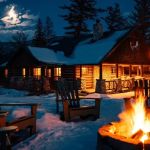 Why Winter is the Best Time for a Camping Cabin Getaway
 Best Remote Camping Cabins for Stargazing and Night Adventures in the U.S.
 The 10 Must-Have Amenities for a Comfortable Stay in Your Camping Cabin
 Winter Camping Cabins: How to Stay Cozy and Warm in the Cold
 How to Create the Ultimate Outdoor Experience with a Camping Cabin
 Best Camping Cabins with Stunning Views of National Parks and Forests