
- Why Weatherproofing Your Campsite Is Essential
- Choosing the Right Shelter for Your Campsite
- Setting Up a Shelter for Bad Weather
- Rain Fly Basics and How to Set It Up
- Common Mistakes to Avoid in Weatherproofing
- Where to Find the Best Camping Gear
Why Weatherproofing Your Campsite Is Essential
When you’re camping, the weather is one factor you can't control. But what you can control is how well you prepare for it. Weatherproofing your campsite is essential to ensuring a comfortable, safe, and enjoyable camping experience. Whether you’re facing heavy rain, wind, or chilly nights, a well-weatherproofed campsite helps protect your gear and keeps you dry and warm, no matter what the weather throws at you.
Imagine waking up in the middle of the night to the sound of heavy rain pounding on your tent. Without proper weatherproofing, you may find your gear soaked and your camping experience ruined. But with the right shelter setup and rain fly, you can rest easy, knowing you’re well-protected from the elements. In this guide, we’ll explore how to set up a shelter and rain fly that will keep you dry and comfortable, no matter the weather conditions.

Manor Hill Mobile Home Park
PoughkeepsieDutchess CountyNew York
179 Van Wagner Rd, Poughkeepsie, NY 12603, USA
Choosing the Right Shelter for Your Campsite
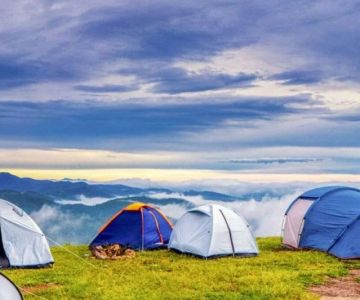
The first step in weatherproofing your campsite is choosing the right shelter. A tent is usually the go-to shelter, but there are other options to consider, depending on the weather and your preferences. Here’s a breakdown of the most common shelters and their features:
1. Four-Season Tents
Four-season tents are designed for harsh weather conditions, such as snow and strong winds. They have a sturdier frame and are built to handle heavy snowfall and freezing temperatures. If you’re camping in the mountains or during winter, a four-season tent is a must-have for optimal weather protection.
2. Three-Season Tents
Three-season tents are ideal for spring, summer, and fall camping. They offer good protection against rain and wind, but they’re not as rugged as four-season tents. These tents often come with mesh panels for ventilation, making them great for warmer conditions. However, they may not stand up well to extreme weather like snow or intense wind.
3. Tarps and Shelter Canopies
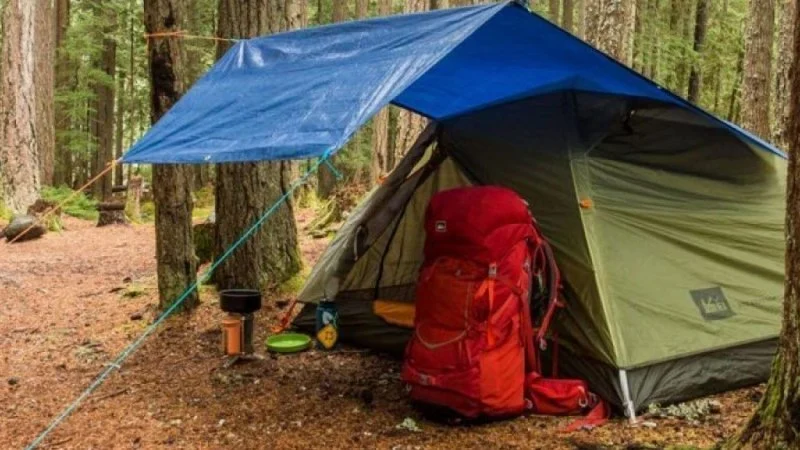
For those who want a lighter option or are looking to set up camp in a dry, sheltered area, tarps and canopy shelters are perfect for creating a basic weather shield. While they won’t provide as much protection as a full tent, tarps can be excellent for keeping rain off your gear or providing shade during the day. Pairing a tarp with a rain fly can offer extra protection during unexpected rainstorms.
Setting Up a Shelter for Bad Weather
Once you’ve chosen your shelter, setting it up properly is key to ensuring it holds up well in bad weather. Here are some tips for setting up a shelter to withstand challenging weather conditions:
1. Choose a Good Campsite Location
When setting up camp, choose a spot that’s protected from the wind and away from low-lying areas that could collect water. Avoid setting up near rivers or streams that could flood during a rainstorm. Look for natural shelter from trees or hills, which can offer protection from wind and rain.
2. Set Up Your Tent or Shelter Securely
Make sure to stake your tent or shelter properly to prevent it from being blown away by wind. Use all the stakes provided, and add extra guylines if necessary. Tighten the tent fabric to reduce the risk of rainwater pooling on the roof. When setting up a tarp or canopy, ensure it’s secured tightly and angled downward to allow rainwater to flow off.
3. Elevate Your Sleeping Area
If you’re camping in an area prone to flooding or heavy rain, consider raising your sleeping area by placing your gear on a tarp or using a camping cot. This keeps you off the wet ground and reduces the risk of your sleeping bag getting soaked during a downpour.
Rain Fly Basics and How to Set It Up
A rain fly is a waterproof cover that goes over your tent to protect it from rain. It’s one of the most important weatherproofing tools in your camping kit, especially if you’re camping in an area where rainfall is expected. Here’s how to use a rain fly effectively:
1. Make Sure the Rain Fly Covers the Entire Tent
The rain fly should cover the entire top of the tent and extend down to the ground to keep rain from entering. Make sure there’s enough overlap to prevent water from seeping through the edges. Some rain flies are designed to provide additional coverage for the vestibule area, which is useful for storing gear outside the main living space.
2. Ensure Proper Tension
When setting up your rain fly, ensure it’s taut and free of sagging. Sagging can lead to water pooling on top of the tent, which can eventually seep through the fabric. Tensioning the rain fly will help water flow off easily and prevent leaks.
3. Use Additional Waterproofing if Necessary
Even if your rain fly is made of waterproof material, it may lose its water-repellent properties over time. Consider applying a waterproofing spray or sealant to the rain fly before your trip, especially if you’re expecting heavy rain.
Common Mistakes to Avoid in Weatherproofing
While weatherproofing your campsite, there are a few common mistakes that can compromise your shelter's ability to protect you from the elements. Here are some things to avoid:
1. Not Sealing Tent Seams
One common mistake is forgetting to seal the seams of your tent. Over time, seams can become vulnerable to water leaks, so be sure to seal them with seam tape or sealant before your trip.
2. Setting Up on a Low Spot
Setting up your campsite in a low-lying area increases the risk of water pooling around your tent during rain. Always check the terrain before setting up to ensure water won’t collect around your shelter.
3. Forgetting to Ventilate
While you want to keep rain out, you also need to ensure that your tent is properly ventilated. Poor ventilation can lead to condensation inside your tent, which can leave your gear damp. Use the mesh panels or vents built into your tent to allow airflow while keeping rain out.
Where to Find the Best Camping Gear
If you’re looking for top-quality camping gear to weatherproof your campsite, check out Camping Cabins. We offer a range of shelters, rain flies, tents, and other essential camping gear to help you stay dry and comfortable in all weather conditions. Whether you’re a seasoned camper or a beginner, we have everything you need to make your next outdoor adventure a success!



 East Hampton Village Manufactured Home Community4.0 (49 reviews)
 Wading Pines Camping Resort4.0 (435 reviews)
 Terry's Mobile Home Park3.0 (137 reviews)
 Delaware Seashore State Park North Campground4.0 (168 reviews)
 Marsden Tract Group Campground4.0 (38 reviews)
 Thousand Trails Chestnut Lake4.0 (299 reviews)
 Why Winter is the Best Time for a Camping Cabin Getaway
 Best Remote Camping Cabins for Stargazing and Night Adventures in the U.S.
 The 10 Must-Have Amenities for a Comfortable Stay in Your Camping Cabin
 Winter Camping Cabins: How to Stay Cozy and Warm in the Cold
 How to Create the Ultimate Outdoor Experience with a Camping Cabin
 Best Camping Cabins with Stunning Views of National Parks and Forests