
- -why-campfire-cooking-is-more-than-just-meals-in-the-wild
- -essential-gear-and-setup-for-outdoor-cooking-success
- -breakfast-campfire-cooking-recipes-for-energy-in-the-morning
- -hearty-dinner-ideas-for-camping-over-fire-and-dutch-oven-meals
- -campfire-snacks-and-small-bites-for-long-nights-outdoors
- -real-camping-stories-and-viral-outdoor-cooking-moments
- -common-mistakes-when-preparing-outdoor-cooking-recipes
- -how-to-cook-safely-and-responsibly-in-natural-environments
- -why-camping-cabins-can-enhance-your-outdoor-experience
Why Campfire Cooking Becomes the Heart of Every Outdoor Trip
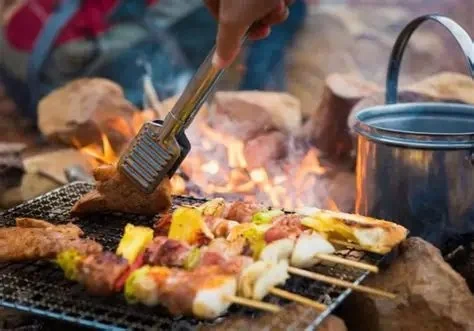
A Complete Guide to Campfire Cooking Recipes for Your Next Trip is not just about food—it is about experience, rhythm, and connection. When you cook over an open flame, something changes in the way meals are perceived. The act of preparing food outdoors turns a simple breakfast or dinner into part of the adventure itself.
Unlike home kitchens, where everything is controlled and predictable, campfire cooking recipes rely on natural elements like wind, fire intensity, and even wood type. These unpredictable factors create a sense of presence that many campers describe as “slow living in its purest form.”
There is also a psychological shift that happens outdoors. Meals taste different when they are earned through effort—gathering firewood, managing heat, and cooking with limited tools. Even simple dishes like eggs and potatoes feel more rewarding when cooked over glowing embers under an open sky.
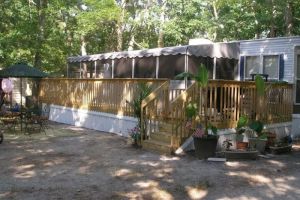
Red Oak Shores Campground
Upper TownshipCape May CountyNew Jersey
60 Corsons Tavern Rd, Ocean View, NJ 08230, USA
Essential Gear and Setup for Outdoor Cooking Success
Before diving into campfire cooking recipes, understanding your setup is essential. Many beginners assume that outdoor cooking requires complicated equipment, but in reality, the most successful campers rely on simple, reliable tools.
A sturdy grill grate, cast iron skillet, and Dutch oven are often the backbone of wilderness cooking. These tools distribute heat evenly and can withstand direct flames or hot coals without damage. Cast iron in particular has become iconic in outdoor cooking culture because of its ability to retain heat and enhance flavor over time.
Fire structure is equally important. A well-built fire pit with controlled airflow allows consistent cooking temperatures. Many experienced campers prefer a two-zone fire setup—one side for high heat and another for slower cooking or resting food.
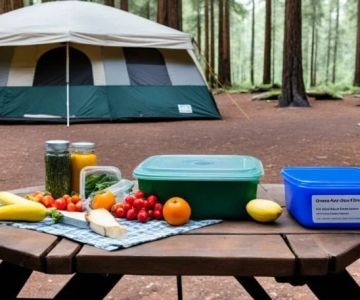
Storage also plays a critical role. Keeping ingredients sealed and protected from wildlife is not just practical but necessary for safety. Organizing food into pre-measured portions before leaving home can dramatically simplify cooking at the campsite.
For travelers looking to elevate their outdoor experience with ready-made gear bundles, meal kits, or curated camping essentials, Camping Cabins offers helpful recommendations that simplify preparation and enhance comfort in the wild.

Oak Tree Mobile Homes
Jackson TownshipOcean CountyNew Jersey
74 Antonia Dr, Jackson Township, NJ 08527, USA
Morning Energy: Campfire Breakfast Cooking Recipes That Set the Tone
Breakfast in the outdoors often becomes the most memorable meal of the day. After a night in nature, the smell of coffee brewing over a fire and the sound of sizzling food creates a grounding morning ritual.
One of the most popular campfire cooking recipes for breakfast is skillet eggs with potatoes and peppers. The dish is simple but deeply satisfying, especially when cooked in a cast iron pan over glowing embers. The smoky flavor from the fire subtly infuses every bite.
Another classic option is foil packet breakfasts. These involve wrapping eggs, cheese, vegetables, and sometimes sausage in aluminum foil and placing them directly into hot coals. The result is a self-contained meal that cooks evenly without constant supervision.
A lesser-known but highly effective camping breakfast idea involves pre-made pancake batter stored in a squeeze bottle. Campers can pour the batter directly onto a hot griddle over the fire, creating fresh pancakes with minimal cleanup.
A real camping story often shared among outdoor enthusiasts involves a group of hikers in Colorado who improvised breakfast after forgetting most of their gear. Using only a single pan and borrowed ingredients from neighboring campers, they created a shared breakfast that turned into a communal tradition for years afterward.
Hearty Dinner Ideas and Dutch Oven Cooking Over Fire
Dinner is where campfire cooking recipes truly shine. After a long day of hiking or exploring, a warm, hearty meal cooked over fire becomes the highlight of the evening.
Dutch oven meals are especially popular for camping because they allow slow, even cooking. One of the most beloved dishes is campfire chili, where beans, ground meat, tomatoes, and spices simmer for hours over coals. The result is rich, thick, and deeply flavorful.
Another classic is foil-wrapped fish with lemon and herbs. This dish is particularly popular near lakes and rivers where fresh catch is available. The steam created inside the foil locks in moisture, producing tender and aromatic results.
In many camping communities, there is also a tradition of “fire stew nights,” where each camper contributes an ingredient. This communal cooking method often leads to unexpected but delicious combinations, reinforcing the social side of outdoor cooking.
One viral outdoor cooking moment involved a family camping trip where a Dutch oven accidentally tipped, spilling stew into the fire. Instead of disappointment, the group salvaged the remaining ingredients and created an improvised skillet meal that later became their signature camping recipe.
Campfire Snacks and Late-Night Fire Pit Cooking Ideas
Not all campfire cooking recipes need to be large meals. Snacks and small bites often define the relaxed rhythm of nighttime camping.
Roasted marshmallows remain the most iconic campfire snack, but modern camping culture has expanded far beyond that. Campers now experiment with stuffed pastries, grilled fruit, and even cheese-filled bread cooked directly over flames.
Popcorn cooked in a covered pan over fire has also become a popular choice. The popping sound mixed with crackling wood creates a sensory experience that enhances nighttime storytelling around the fire.
Another simple but satisfying option is fire-roasted corn. Wrapped in husks and placed directly on coals, it develops a smoky sweetness that pairs perfectly with butter and salt.
These small bites often extend conversations late into the night, turning food into part of the storytelling experience that defines camping culture.
Real Camping Stories and Viral Outdoor Cooking Experiences
Outdoor cooking has become a surprising source of viral internet moments. One widely shared video featured a camper attempting to cook an elaborate steak dinner using only stones and firewood. Despite early setbacks, the final result impressed millions of viewers and sparked discussions about creativity in wilderness cooking.
Another memorable story involves a national park camping group that hosted an informal “campfire cooking competition.” Each team was given limited ingredients, and the challenge quickly turned into a friendly but competitive culinary showcase.
These moments highlight how campfire cooking recipes are not just practical guides—they are also opportunities for creativity and storytelling. The unpredictability of outdoor cooking often leads to the most memorable meals.
Social media has amplified these experiences, turning simple campsite meals into global inspiration. Videos of sizzling cast iron skillets, glowing fire pits, and rustic meals continue to attract millions of viewers who dream of their own outdoor adventures.
Common Mistakes Campers Make When Cooking Over Fire
Even experienced campers make mistakes when preparing campfire cooking recipes. One of the most common issues is overestimating fire temperature control. Unlike stovetops, fire heat fluctuates constantly, and failing to adjust can lead to burnt or undercooked meals.
Another frequent mistake is poor ingredient preparation. Cutting vegetables too large or unevenly can result in inconsistent cooking times, especially in foil packets or skillet meals.
Many beginners also forget to account for cleanup. Outdoor cooking requires more planning for waste disposal and dishwashing than indoor kitchens. Neglecting this can lead to messy campsites and unnecessary environmental impact.
Using the wrong cookware is another common issue. Lightweight pans may warp under direct flame, while non-stick coatings can degrade quickly in high heat. Cast iron remains the most reliable option for most outdoor cooking situations.
Safe and Responsible Cooking Practices in the Wilderness
Safety is a crucial part of any Complete Guide to Campfire Cooking Recipes for Your Next Trip. Responsible fire management not only protects campers but also preserves natural environments.
Building fires only in designated fire pits reduces the risk of uncontrolled spread. Keeping water nearby for emergencies is also a standard safety practice among experienced campers.
Proper food storage is equally important. Leaving food exposed can attract wildlife, which creates dangerous situations for both animals and humans.
Extinguishing fires completely before leaving is one of the most important responsibilities. Many seasoned campers describe this as a ritual rather than a task, ensuring that the site remains safe for future visitors.
Why Camping Cabins Add Comfort to Outdoor Cooking Adventures
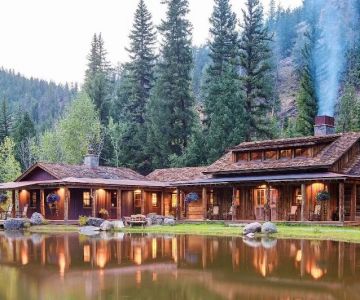
While traditional camping emphasizes roughing it in nature, many travelers now prefer a balanced approach that includes comfort and convenience. Staying in cabins allows campers to enjoy campfire cooking recipes while also having access to basic shelter and amenities.
Camping Cabins provides options that make outdoor trips more accessible for families, beginners, or anyone who wants to enjoy nature without sacrificing comfort. Having a stable base makes it easier to prepare ingredients, store supplies, and enjoy longer stays outdoors.
This hybrid style of camping has grown in popularity, especially among first-time campers who want to experience fire cooking without the challenges of full wilderness setups.
Ultimately, whether you are deep in the forest or staying near a cabin, the joy of cooking over fire remains the same. It is about slowing down, sharing meals, and reconnecting with something simple and real.
 Old Mill Stream Campground4.0 (460 reviews)
 Audubon Lodge4.0 (27 reviews)
 Parkway/ Mt. Ivy MHC Office0.0 (0 reviews)
 Tally Ho Estates0.0 (0 reviews)
 Maplewood Village3.0 (30 reviews)
 Camp Ramblewood4.0 (260 reviews)
 Why Winter is the Best Time for a Camping Cabin Getaway
 Best Remote Camping Cabins for Stargazing and Night Adventures in the U.S.
 The 10 Must-Have Amenities for a Comfortable Stay in Your Camping Cabin
 Winter Camping Cabins: How to Stay Cozy and Warm in the Cold
 Best Camping Cabins with Stunning Views of National Parks and Forests
 How to Create the Ultimate Outdoor Experience with a Camping Cabin