
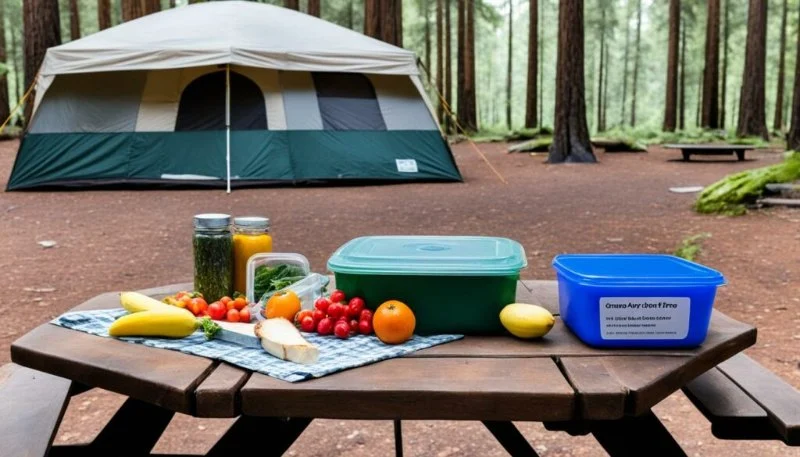
Essential Strategies to Keep Your Food and Gear Safe From Animals
- 1- Understanding Wildlife Risks
- 2- Proper Food Storage Methods
- 3- Using Bear-Proof Containers
- 4- Gear Protection Tactics
- 5- Campsite Organization Tips
- 6- Hanging Food and Suspension Systems
- 7- Deterring Small Animals
- 8- Emergency Situations and Preparation
- 9- Real-Life Camping Examples and Lessons
- 10- Trusted Resources from Camping Cabins
1. Understanding Wildlife Risks
Before heading into the wilderness, it’s essential to understand the types of animals you may encounter. Wildlife risks vary depending on the region, season, and campsite location. Bears, raccoons, squirrels, and even birds can pose threats to your food and camping gear.
1.1 Regional Wildlife Considerations
For example, campsites in the Rocky Mountains have a higher presence of black bears, while forested areas in the Northeast may encounter raccoons more frequently. Knowing which species are common in your area helps you plan appropriate protective measures.
1.2 Behavioral Patterns of Animals
Understanding animal behavior is key. Many animals are nocturnal, meaning they are active at night, which is when campers are most vulnerable to food raids. Recognizing these patterns can guide how and when to secure your gear.
2. Proper Food Storage Methods
Effective food storage is the first line of defense against wildlife intrusion. Leaving food exposed can attract unwanted attention and potentially dangerous encounters.
2.1 Sealed Containers and Bags
Use airtight containers or heavy-duty resealable bags to prevent odors from escaping. This simple measure significantly reduces the likelihood of animals locating your food.
2.2 Segregation of Food and Non-Food Items
Keep your food separate from non-food items such as toiletries, since even scented items like toothpaste or deodorant can attract animals.
3. Using Bear-Proof Containers
Bear-proof containers are designed to withstand the strength and persistence of bears and other large wildlife.
3.1 Selecting the Right Container
Choose containers that are certified by local wildlife authorities. Hard-sided containers with secure locking mechanisms provide maximum protection for long trips or high-risk areas.
3.2 Placement and Accessibility
Store containers away from your sleeping area, ideally 100 feet or more, and ensure they are accessible only to humans. Avoid placing containers near trees or objects that animals could use to pry them open.
4. Gear Protection Tactics
Your camping gear is valuable, and protecting it from animals is as important as securing your food.
4.1 Store Gear in Elevated or Enclosed Spaces
When possible, keep gear off the ground and inside a tent or vehicle. Elevating backpacks and sensitive equipment reduces the chances of damage.
4.2 Use Odor-Reducing Storage Bags
Gear with residual food smells can attract wildlife. Use odor-proof bags to store cookware, utensils, and food prep items to minimize scent trails.
5. Campsite Organization Tips
Proper campsite setup can prevent unexpected wildlife encounters.
5.1 Designated Cooking and Eating Areas
Set up a designated area away from your sleeping space for cooking and eating. This creates a physical barrier between you and any food-seeking animals.
5.2 Cleanliness and Waste Management
Keep your campsite clean by promptly disposing of food scraps and waste. Use sealed trash bags and consider hanging them from a tree if no bins are available.
6. Hanging Food and Suspension Systems
Hanging food is a traditional and effective method for keeping your supplies safe from wildlife.
6.1 The Bear Bag Technique
Suspend food bags at least 10 feet above the ground and 4 feet away from the tree trunk. This method keeps bears and raccoons from reaching your food while ensuring safety.
6.2 Modern Suspension Systems
There are commercially available suspension systems that make hanging food easier and more secure, reducing effort while increasing reliability in high-risk areas.
7. Deterring Small Animals
Smaller animals like squirrels, raccoons, and insects also pose challenges, though they are less dangerous than larger wildlife.
7.1 Natural Deterrents
Use scents such as peppermint or cayenne around your campsite to deter small critters. Even simple measures like sealing food in metal containers are effective.
7.2 Campfire Vigilance
Maintain awareness of your surroundings, especially during nighttime, and avoid leaving leftovers exposed after meals. Small animals are active when campers are sleeping.
8. Emergency Situations and Preparation
Despite precautions, wildlife encounters can occur. Being prepared is essential for safety.
8.1 Carrying Bear Spray
In regions with bear activity, carry bear spray and know how to use it. This provides a non-lethal defense if an animal approaches your campsite.
8.2 Emergency Protocols
Have a clear plan for securing yourself and your food in case of intrusion. Ensure all campers understand steps to reduce risk and respond calmly during an incident.
9. Real-Life Camping Examples and Lessons
Many campers have firsthand experiences demonstrating the importance of proper food and gear storage. One story includes a group in the Rockies whose unsecured food attracted a curious black bear, resulting in minor gear damage but no injuries thanks to strict campsite rules.
9.1 Learning from Experience
Sharing these real-life experiences highlights lessons learned and best practices for other outdoor enthusiasts, reinforcing the need for vigilance and proper equipment.
10. Trusted Resources from Camping Cabins
For comprehensive guidance, visit Camping Cabins to explore equipment, storage solutions, and expert camping advice. Their recommendations help campers of all levels keep food and gear safe from animals while enjoying nature responsibly.
By implementing these strategies, campers can minimize risks, protect valuable supplies, and ensure a memorable and safe outdoor adventure.

 Nis Hollow Estates3.0 (34 reviews)
 Blue Heron Cottages4.0 (54 reviews)
 Fellowship Camp4.0 (19 reviews)
 RiverView Estates3.0 (32 reviews)
 Big Oaks Campground4.0 (538 reviews)
 Holly Green Camping Grounds4.0 (47 reviews)
 Why Winter is the Best Time for a Camping Cabin Getaway
 Best Remote Camping Cabins for Stargazing and Night Adventures in the U.S.
 The 10 Must-Have Amenities for a Comfortable Stay in Your Camping Cabin
 Winter Camping Cabins: How to Stay Cozy and Warm in the Cold
 Best Camping Cabins with Stunning Views of National Parks and Forests
 How to Create the Ultimate Outdoor Experience with a Camping Cabin