
- -understanding-what-makes-a-campsite-kayak-and-canoe-friendly
- -best-water-based-camping-regions-in-the-united-states
- -how-to-evaluate-access-safety-and-water-conditions
- -real-adventure-stories-from-paddling-and-camping-trips
- -planning-a-successful-kayaking-and-camping-experience
Understanding What Makes a Campsite Ideal for Kayaking and Canoeing
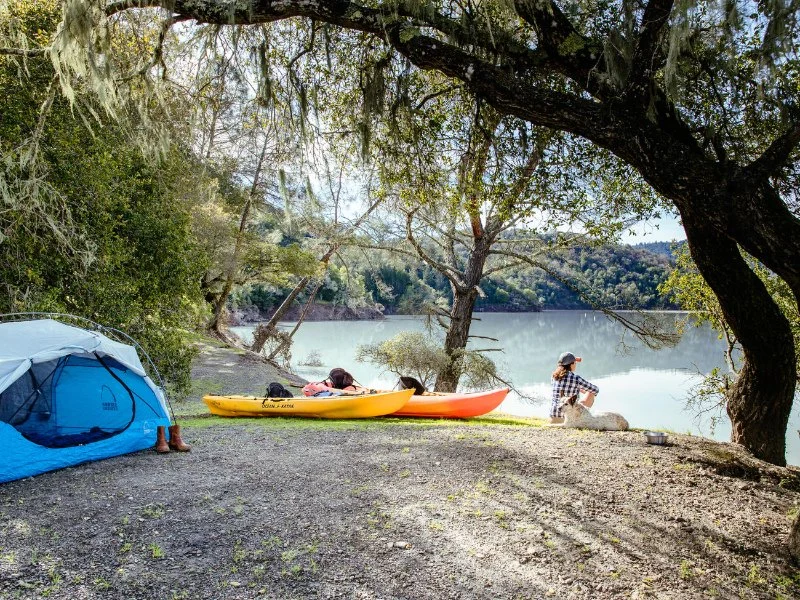
Finding the best campsites kayaking canoeing enthusiasts can rely on is not just about locating a spot near water—it is about understanding how the entire environment supports paddling activities. A truly ideal campsite offers safe water access, stable launch points, and proximity to navigable rivers or calm lakes that suit different skill levels.
Many beginners assume that any lakeside campground automatically qualifies as a great paddling destination. However, experienced outdoor travelers know that water conditions, shoreline structure, and wind exposure all dramatically affect the experience. A campsite that looks perfect on a map may turn out to be unsuitable if currents are too strong or access points are poorly maintained.
Riverside camping USA experiences often vary depending on geography. In some regions, rivers are slow and wide, making them ideal for canoe camping spots, while in others, fast-moving currents require more advanced kayaking skills. Understanding these differences is key to choosing the right destination.
Outdoor adventure camping becomes significantly more enjoyable when paddling access is seamless, allowing campers to transition directly from tent to water without complicated logistics.
Turtle Run Campground & RV
Egg Harbor CityBurlington CountyNew Jersey
3 Cedar Ln, Egg Harbor City, NJ 08215, USA
Best Regions in the United States for Water-Based Camping Adventures
The United States offers a wide variety of camping environments that cater specifically to kayaking and canoeing enthusiasts. From calm northern lakes to winding southern rivers, each region provides a unique paddling experience.
Great Lakes Region: Calm Waters and Expansive Shorelines
The Great Lakes region is one of the most popular areas for waterfront campgrounds US travelers seek for paddling. The combination of vast freshwater lakes, protected bays, and scenic shorelines makes it ideal for both beginners and experienced kayakers.
In states like Michigan and Wisconsin, campers often enjoy calm morning paddles followed by relaxing evenings at lakeside campsites. The wide-open water provides a sense of freedom while still maintaining safety for recreational paddling.
Pacific Northwest: Forested Rivers and Dramatic Landscapes
The Pacific Northwest offers a completely different experience. Here, kayak accessible campsites are often located along forest-lined rivers and glacier-fed lakes. The scenery is dramatic, with mountains, dense forests, and wildlife frequently visible from the water.
However, paddlers in this region must pay attention to water flow and seasonal changes, as river conditions can shift quickly depending on rainfall and snowmelt.
Southeastern Rivers: Slow Currents and Long Canoe Routes
The southeastern United States is known for its slow-moving rivers and swamp systems, making it ideal for canoe camping spots. These waterways often stretch for miles without interruption, allowing for multi-day paddling trips combined with riverside camping.
Many outdoor enthusiasts are drawn to this region for its biodiversity, including birds, fish, and unique wetland ecosystems that can be observed directly from the canoe.
How to Evaluate Campsites for Safety, Access, and Water Conditions
Choosing the right campsite requires more than just scenic appeal. Safety and accessibility are critical factors that determine whether a paddling trip will be enjoyable or challenging.
Water Access Points and Launch Conditions
A well-designed campsite should provide easy and safe water entry points. Rocky or steep shorelines can make launching kayaks difficult, especially when carrying gear. The best campsites kayaking canoeing travelers prefer usually include designated boat ramps or sandy shorelines.
Accessibility also affects the overall energy required to start and end each paddling session. A poorly designed access point can quickly turn a relaxing trip into a physically demanding experience.
Understanding Water Safety and Environmental Conditions
Before selecting a campsite, it is essential to research water conditions such as current strength, depth variations, and potential hazards like submerged logs or rapid weather changes.
Even calm lakes can become unsafe during strong winds, which can create unexpected waves that challenge inexperienced paddlers. This is why experienced campers always check local weather patterns before planning water activities.
Distance Between Campsites and Paddling Routes
Another important consideration is how far paddling routes extend between campsites. Canoe camping spots are often designed for multi-day trips where campers travel from one site to another along a river or lake system.
Understanding distance and travel time helps ensure that paddlers do not overestimate their abilities or underestimate environmental conditions.
Real-Life Adventure Stories From Kayaking and Camping Trips
Across the United States, countless outdoor enthusiasts share memorable experiences that highlight the importance of choosing the right campsite for paddling adventures.
One frequently shared story involves a group of friends traveling to the Boundary Waters region in Minnesota. Initially drawn by online photos, they discovered that the real experience exceeded expectations due to perfectly spaced campsites connected by calm waterways, allowing them to paddle for hours without encountering strong currents.
Another common experience comes from families exploring rivers in North Carolina. Many describe how their first canoe camping trip taught them the importance of planning shorter daily distances, ensuring that children remained comfortable and engaged throughout the journey.
A widely discussed online adventure story involved a solo kayaker navigating Oregon’s coastal inlets. While the scenery was breathtaking, unpredictable tides required careful planning and reinforced the importance of understanding local water conditions before setting out.
These stories highlight that successful paddling trips depend not just on destination choice, but on preparation and awareness.
Platforms like Camping Cabins help outdoor enthusiasts discover well-reviewed campsites that align with kayaking and canoeing preferences, making trip planning more reliable and enjoyable.
How to Plan a Successful Kayaking and Camping Experience
Planning is the foundation of any successful paddling and camping trip. Without proper preparation, even the most beautiful campsite can become challenging to navigate.
Matching Skill Level With Water Conditions
One of the most important planning steps is ensuring that the chosen water environment matches the paddler’s experience level. Beginners should prioritize calm lakes and slow rivers, while advanced paddlers may explore coastal or fast-moving waters.
This alignment helps prevent unnecessary risks and ensures a more enjoyable experience for all participants.
Gear Selection for Combined Camping and Paddling
Efficient gear selection is essential when combining camping with kayaking or canoeing. Lightweight tents, waterproof storage, and compact cooking equipment significantly improve mobility and reduce fatigue.
Many experienced paddlers recommend organizing gear in waterproof dry bags to protect essential items from unexpected splashes or rain.
Timing and Seasonal Considerations
Seasonal timing plays a major role in paddling conditions. Spring may offer higher water levels due to snowmelt, while summer provides more stable conditions but increased campsite demand.
Understanding seasonal patterns helps campers choose the most comfortable and safe time for their trip.
Why Water-Based Camping Experiences Continue to Grow in Popularity
In recent years, interest in kayaking and canoeing combined with camping has grown significantly across the United States. Many travelers are seeking outdoor experiences that offer both physical activity and relaxation in natural environments.
This trend is driven by a desire to disconnect from urban life and engage with nature in a more immersive way. Water-based camping provides a unique balance of adventure and tranquility that traditional camping alone cannot fully offer.
As more people discover the joy of paddling-based travel, demand for well-designed campsites continues to increase, encouraging parks and outdoor facilities to improve infrastructure and accessibility.
Ultimately, the best campsites kayaking canoeing enthusiasts choose are those that offer harmony between water access, safety, and natural beauty, creating unforgettable outdoor experiences that keep travelers coming back year after year.
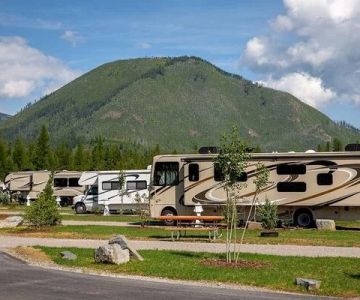
 Jellystone Park™ South Jersey4.0 (803 reviews)
 Winterset Farms4.0 (109 reviews)
 Acorn Campground4.0 (180 reviews)
 Jackson Acres3.0 (62 reviews)
 Ocean Isle Campground4.0 (102 reviews)
 Holly Lake Campsites4.0 (38 reviews)
 Why Winter is the Best Time for a Camping Cabin Getaway
 Best Remote Camping Cabins for Stargazing and Night Adventures in the U.S.
 The 10 Must-Have Amenities for a Comfortable Stay in Your Camping Cabin
 Winter Camping Cabins: How to Stay Cozy and Warm in the Cold
 Best Camping Cabins with Stunning Views of National Parks and Forests
 How to Create the Ultimate Outdoor Experience with a Camping Cabin