
- 1. Understanding the Importance of Portable EV Chargers for Tesla Camping
- 2. Top Features to Look for in a Portable EV Charger
- 3. Best Portable EV Chargers for Tesla Camping
- 4. How to Safely Use a Portable EV Charger for Camping
- 5. Conclusion and Where to Buy Your Portable EV Charger
1. Understanding the Importance of Portable EV Chargers for Tesla Camping
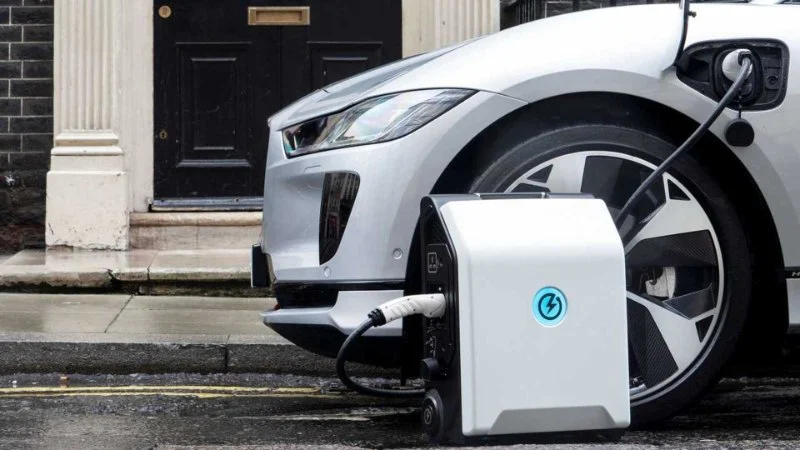
If you're a Tesla owner and enjoy camping, you may have experienced the challenge of finding a convenient way to keep your EV charged while you're in the great outdoors. While traditional gas stations are an easy stop for fueling up, electric vehicle (EV) owners need a reliable charging solution when camping, especially in remote areas. This is where portable EV chargers come in handy.
A portable charger for your Tesla is an essential camping accessory for anyone who drives an electric vehicle. Whether you're planning a weekend getaway or an extended trip into nature, having a portable charger will ensure that your Tesla remains powered and ready to go. In this article, we will explore the best portable EV chargers for Tesla camping, what features to look for, and how to use them effectively.
2. Top Features to Look for in a Portable EV Charger
Not all portable EV chargers are created equal, especially when it comes to outdoor use and camping. To ensure you get the most out of your charger, here are some key features to consider:
- Compatibility: Ensure that the charger is compatible with your Tesla model. Most portable chargers are universal, but it's always a good idea to verify this before purchasing.
- Charging Speed: The speed at which your charger can deliver power is crucial, especially if you're camping for a short period of time. Opt for chargers that offer fast charging capabilities to minimize downtime.
- Portability and Weight: When camping, you'll want a charger that’s easy to carry and set up. Look for a charger that is compact, lightweight, and comes with a carrying case.
- Weather Resistance: Since you’ll be using the charger outdoors, it’s important that it can withstand various weather conditions. Ensure that the charger is water-resistant and durable enough to handle outdoor elements.
- Charging Cable Length: Depending on where you park your Tesla while camping, you may need extra cable length to reach a power source. Consider chargers with longer cables for more flexibility.

Mill Creek Falls Retreat Center
AirvilleYork CountyPennsylvania
303 E Telegraph Rd, Airville, PA 17302, USA
3. Best Portable EV Chargers for Tesla Camping
There are several excellent portable EV chargers available for Tesla owners who enjoy camping. Here are some of the best options on the market:
- Tesla Wall Connector (Portable Version): Tesla’s own portable charger offers the convenience of fast charging, and it’s designed to be compatible with all Tesla models. It’s durable, compact, and perfect for outdoor adventures.
- JuiceBox 40 Smart Electric Vehicle Charger: The JuiceBox 40 is a popular choice among Tesla owners due to its fast charging capabilities and smart features. It offers a mobile app for tracking charging status and is portable enough for camping trips.
- ChargePoint Home Flex: With adjustable power levels, the ChargePoint Home Flex charger is a versatile and powerful option for Tesla owners. It’s equipped with a 25-foot cord, offering plenty of reach when camping in remote areas.
- Lectron 240V Level 2 Charger: The Lectron charger is known for its efficiency and fast charging speeds. It’s compatible with Teslas and comes with a 25-foot cable, making it ideal for camping.
- Mustart Level 2 Portable EV Charger: A budget-friendly option, the Mustart Level 2 charger is compact, portable, and offers impressive charging speed. It’s an excellent option for Tesla owners who need an affordable yet reliable charger for camping trips.
4. How to Safely Use a Portable EV Charger for Camping
Using a portable EV charger while camping is easy, but it’s important to follow a few safety guidelines to ensure that you’re charging your Tesla safely:
- Check the Power Source: Always check that the power source you're plugging into is stable and reliable. Avoid using power sources that may be prone to outages or fluctuations.
- Use Outdoor-Approved Outlets: If you're camping, be sure that the outlet you’re using is rated for outdoor use. Look for outlets that are weatherproof and equipped with proper grounding.
- Avoid Overloading: Don’t overload your charging equipment. Ensure the power source can handle the amperage requirements of your portable EV charger to prevent overheating or potential fire hazards.
- Monitor the Charging Process: While your Tesla is charging, it’s important to monitor the process to ensure everything is working properly. Keep an eye on the charger to prevent overheating or any unusual activity.
5. Conclusion and Where to Buy Your Portable EV Charger
Traveling and camping in your Tesla doesn’t have to mean leaving your charging options behind. With the best portable EV chargers for Tesla camping, you can ensure that your vehicle remains charged and ready for the next adventure. Whether you're looking for fast charging, portability, or weather-resistant features, there is a portable charger out there that fits your needs.
To find the best deals and top-rated chargers, visit Camping Cabins today. With the right portable EV charger, your camping trips will be worry-free, knowing that you can easily recharge your Tesla on the go.


 Family Camping Area4.0 (17 reviews)
 HITS-on-the-Hudson RV Parking Entrance2.0 (13 reviews)
 Duck Neck Campground4.0 (197 reviews)
 Cabin 2 on PRIM Loop in Oleta River State Park5.0 (1 reviews)
 Grove Beach4.0 (6 reviews)
 Clifton Lisle5.0 (1 reviews)
 Why Winter is the Best Time for a Camping Cabin Getaway
 Best Remote Camping Cabins for Stargazing and Night Adventures in the U.S.
 The 10 Must-Have Amenities for a Comfortable Stay in Your Camping Cabin
 Winter Camping Cabins: How to Stay Cozy and Warm in the Cold
 How to Create the Ultimate Outdoor Experience with a Camping Cabin
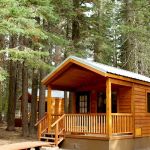 Best Camping Cabins with Stunning Views of National Parks and Forests