
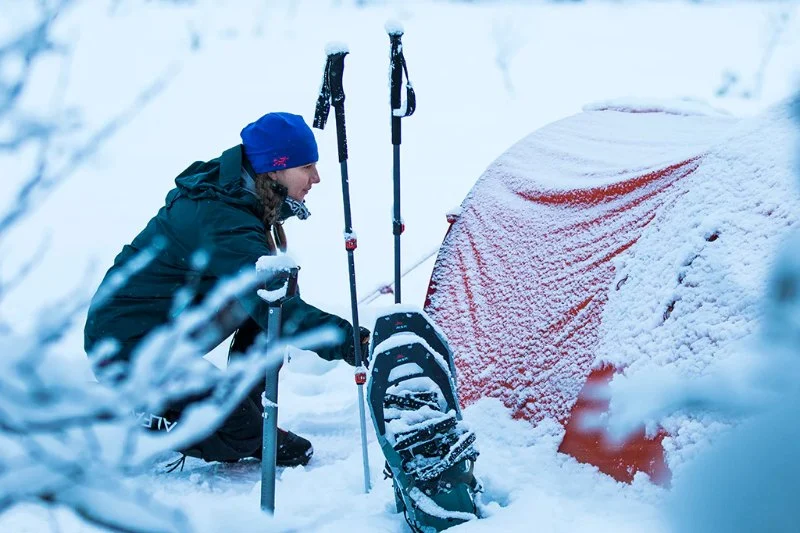
How to Camp in the Snow Safely and Warmly
- 1 - Preparing for Snow Camping
- 2 - Choosing the Right Gear for Snow Camping
- 3 - How to Camp in the Snow Safely
- 4 - How to Keep Warm While Snow Camping
- 5 - Common Mistakes to Avoid When Camping in the Snow
- 6 - Real-Life Case: Successful Snow Camping Adventure
1. Preparing for Snow Camping
Snow camping can be one of the most rewarding outdoor experiences, offering a unique and peaceful way to enjoy the winter wilderness. However, it requires careful preparation and attention to detail to ensure safety and comfort. Before heading out into the snow, it’s essential to plan ahead and be aware of the challenges that come with cold weather camping.
Start by researching the area where you’ll be camping, considering factors like altitude, weather patterns, and accessibility. Check the forecast for snow, wind, and temperature, as these elements can have a significant impact on your camping experience.
Ensure you have the necessary permits or permissions if required for your chosen location. Make sure to inform a friend or family member about your plans, including your expected arrival and departure times, for safety purposes.
2. Choosing the Right Gear for Snow Camping
When camping in the snow, having the right gear is critical for staying safe, dry, and warm. Here are some key items you should include in your snow camping kit:

River Beach RV Resort
HamiltonAtlantic CountyNew Jersey
4678 Somers Point Rd, Mays Landing, NJ 08330, USA
2.1 Winter Tent
Your tent is your first line of defense against the cold and snow. Choose a four-season tent designed to withstand heavy snow and strong winds. Make sure it has a waterproof and insulated floor to keep you dry.

Monmouth Mobile Home Park
South Brunswick TownshipMiddlesex CountyNew Jersey
4017 U.S. Rte 1, Monmouth Junction, NJ 08852, USA
2.2 Sleeping Bag and Pad
For a comfortable night’s sleep, invest in a high-quality sleeping bag rated for cold temperatures. Insulated sleeping pads are also essential for insulating you from the cold ground and providing extra comfort.
2.3 Proper Clothing
Layering is key to staying warm in the snow. Start with a moisture-wicking base layer, followed by an insulating layer (such as fleece or down), and finish with a waterproof and windproof outer layer. Don’t forget warm socks, gloves, a hat, and a scarf to cover exposed skin.
2.4 Cooking Equipment
Bring a portable stove that works in freezing temperatures and a reliable fuel source. Cooking in the snow can be a challenge, so ensure your stove is compatible with the winter conditions. A lightweight cookware set and insulated mugs will help with meal prep and hot drinks.
3. How to Camp in the Snow Safely
Snow camping presents unique safety challenges, from hypothermia risks to potential avalanches. To ensure a safe experience, follow these guidelines:
3.1 Know the Weather Conditions
Check the weather forecast regularly, and be prepared for unexpected changes. Winter storms can strike quickly, so be sure to have an exit plan in case conditions worsen. Keep track of snowfall amounts and avoid camping in avalanche-prone areas.
3.2 Build a Snow Shelter
If you’re not using a tent, consider building a snow shelter, such as a quinzee or snow cave. These shelters provide insulation from the cold and can be surprisingly warm when built properly. However, building a snow shelter requires skill and experience, so practice before embarking on your trip.
3.3 Stay Hydrated and Nourished
Even in cold temperatures, it’s important to stay hydrated and well-fed. Bring extra food, particularly high-energy snacks like nuts, granola bars, and dried fruits, which provide quick energy. Keep your water bottles inside your sleeping bag at night to prevent freezing.
3.4 Keep an Eye on Your Surroundings
When camping in the snow, be mindful of potential hazards, such as falling branches, icy surfaces, or wildlife. Always be cautious when navigating slippery areas and avoid setting up camp near unstable snow or avalanche-prone zones.
4. How to Keep Warm While Snow Camping
Staying warm is the most important part of camping in the snow. Here are several tips for maintaining warmth in cold conditions:
4.1 Layering Your Clothing
As mentioned earlier, layering is the key to warmth. Layering allows you to add or remove clothes as needed to regulate your body temperature. Avoid cotton, as it traps moisture and can cause you to feel cold. Choose fabrics like wool, fleece, and synthetic materials that retain heat even when wet.
4.2 Use Sleeping Bag Liners
Adding a sleeping bag liner can provide an extra layer of warmth, helping to insulate your sleeping bag. A liner can also keep your sleeping bag cleaner, reducing the need for frequent washes.
4.3 Stay Dry
Wet clothing can quickly lead to hypothermia in cold weather, so it’s essential to stay dry at all costs. Change out of damp clothes immediately, and make sure your shelter is free from snow or moisture that could make you cold.
4.4 Keep Moving
Physical activity can help generate body heat. If you’re starting to feel cold, try moving around to increase circulation. Be cautious, however, as exerting yourself too much can lead to sweating, which can make you cold once you stop.
5. Common Mistakes to Avoid When Camping in the Snow
To have a safe and enjoyable snow camping trip, avoid these common mistakes:
5.1 Overestimating Your Gear
While your gear is important, it’s just as essential to know how to use it effectively. Overestimating the capabilities of your equipment can lead to unexpected problems. Always test your gear before your trip and familiarize yourself with its use in winter conditions.
5.2 Underestimating the Cold
Don’t underestimate the cold, especially at night when temperatures can drop significantly. Always pack extra clothing and blankets to ensure you stay warm. It’s better to have more layers than too few.
5.3 Ignoring Avalanche Risks
If you plan to camp in mountainous regions, always check avalanche forecasts and avoid areas prone to snow slides. Carry an avalanche beacon, probe, and shovel, and learn how to use them in case of emergency.
6. Real-Life Case: Successful Snow Camping Adventure
In February of last year, a group of four friends decided to camp in the snowy mountains of Colorado. Despite the frigid temperatures, they were well-prepared with high-quality gear and proper planning. They built a snow shelter for the night and kept a close watch on weather reports to avoid any sudden snowstorms. By sticking to their safety protocols and layering their clothing, they had an enjoyable and warm camping experience. Their trip was a great reminder that with the right preparation and gear, snow camping can be a memorable and fun adventure.


 King Nummy Trail Campground4.0 (288 reviews)
 Oceanside Drive-In Campground4.0 (118 reviews)
 Little Oaks Campground4.0 (35 reviews)
 Wappinger Falls Manufactured Housing4.0 (11 reviews)
 Merkle Cabin at Spring Valley4.0 (42 reviews)
 Holly Lake Campsites - Holly Lake Camp Store & Grill4.0 (601 reviews)
 Why Winter is the Best Time for a Camping Cabin Getaway
 Best Remote Camping Cabins for Stargazing and Night Adventures in the U.S.
 The 10 Must-Have Amenities for a Comfortable Stay in Your Camping Cabin
 Winter Camping Cabins: How to Stay Cozy and Warm in the Cold
 How to Create the Ultimate Outdoor Experience with a Camping Cabin
 Best Camping Cabins with Stunning Views of National Parks and Forests