
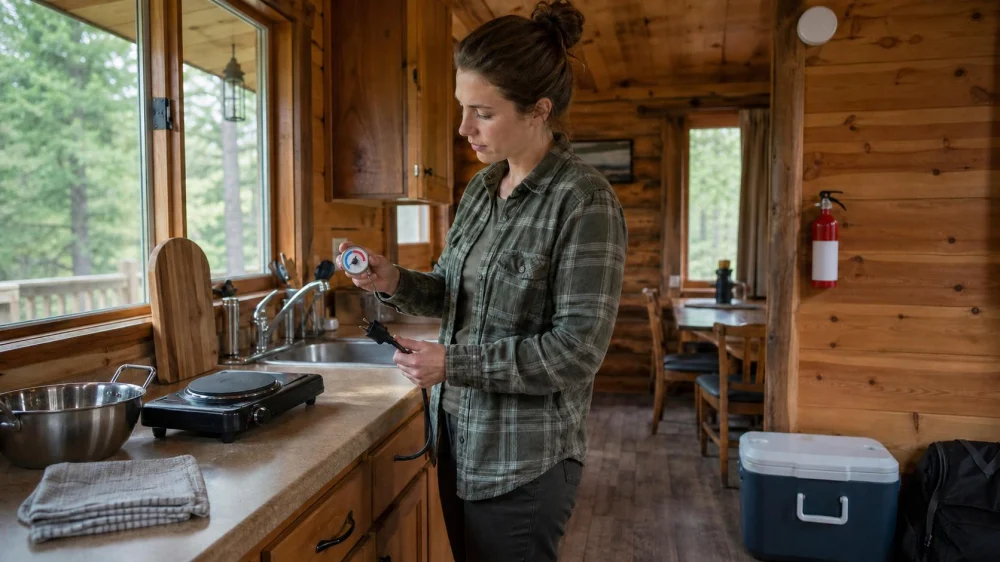
Camping Cabin Kitchen: Check Appliances Before Cooking
A cabin kitchen can look ready while still lacking the equipment, power, ventilation, or cold storage your menu assumes. A five-minute check before unpacking food helps you avoid spoiled ingredients, tripped circuits, smoke, and an improvised meal after dark.
Quick answer
Ask the operator exactly which appliances, utensils, fuel, and food-storage options are included. On arrival, check cleanliness, cords, outlets, ventilation, refrigerator temperature, and posted rules before cooking. Keep perishable food at 40°F or below, separate raw items from ready-to-eat food, and use a food thermometer when appropriate. Stop using any appliance that sparks, smells hot, leaks, or repeatedly trips power, and report it rather than attempting a repair.
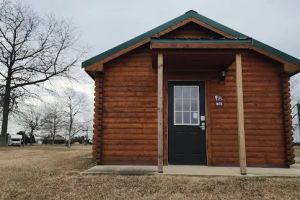
Confirm the setup before arrival
“Kitchen” can mean anything from a full range and refrigerator to a counter with a microwave. Ask for a current inventory instead of relying on an old listing photo. Useful questions include:
- Is the refrigerator full-size, compact, or shared, and does it include a freezer?
- Is cooking allowed indoors, and which electric or fuel-burning appliances are approved?
- Are pots, pans, knives, cutting boards, dishes, a can opener, and a food thermometer provided?
- Is potable water available at the sink, elsewhere on site, or not at all?
- Must guests bring dish soap, towels, trash bags, or bear-resistant food containers?
- Are there current fire restrictions or rules about outdoor grills and camp stoves?
Build a menu around the confirmed setup and carry a shelf-stable backup meal. Do not assume a porch, picnic table, or open window makes an unapproved stove safe for indoor use.

Inspect before switching anything on
Keep groceries in the cooler while you make a quick, documented inspection. Look for damaged plugs, frayed cords, scorch marks, grease buildup, unstable burners, broken knobs, pooled water, pests, and strong gas or electrical odors. Check that the cooking area has clear space and that towels, paper goods, and bags are away from heat.
Find the smoke and carbon-monoxide alarms, fire extinguisher, exits, and emergency contact instructions. Never disable an alarm to cook. If an alarm is missing, damaged, or already sounding, contact the operator and move everyone to fresh air when appropriate.
Photograph significant pre-existing damage and report it before use. Do not open electrical panels, relight unfamiliar pilot systems, splice cords, or bypass safety switches. Property staff should decide whether equipment can be used.
Protect cold food
Place an appliance thermometer in the refrigerator and allow time for a reliable reading. The U.S. Department of Agriculture advises keeping perishable foods at 40°F or below and notes that food should not remain above that temperature for more than two hours—or one hour when the air temperature is above 90°F. Its camping food-safety guidance also recommends cold sources and keeping coolers closed and shaded.
If the cabin refrigerator is warm, continue using a well-iced cooler while you contact the operator. Put raw meat or poultry in leakproof containers below ready-to-eat food. A separate drink cooler reduces repeated opening of the food cooler. Do not judge safety by smell or appearance alone, and do not taste questionable food.
Cook with the provided equipment
Use only appliances that the property permits, on the surface and in the location intended for them. Plug one high-draw appliance into an appropriate outlet rather than stacking adapters or extension cords. Keep handles turned away from traffic, supervise children and pets, and never leave active cooking unattended.
Ventilate as directed, but remember that a window is not a substitute for an approved exhaust system. Charcoal grills, portable generators, and fuel-burning camp stoves can produce deadly carbon monoxide and generally belong well outside—not in a cabin, screened porch, tent, or doorway. Follow the property instructions and the equipment manufacturer’s manual.
Use a clean food thermometer for meat, poultry, seafood, egg dishes, and reheated foods rather than relying only on color. Check current USDA temperature guidance for the specific food you are preparing.
Keep hands, food, and surfaces separate
Start with potable water, soap, and clean towels. Wash hands before handling food and after touching raw meat, waste, pets, firewood, or shared outdoor equipment. If safe running water is unavailable, change the menu to minimize handling and use appropriate hygiene supplies; hand sanitizer does not remove dirt or replace every handwashing situation.
Keep raw and ready-to-eat foods on separate boards and plates. Clean and sanitize food-contact surfaces according to product directions, especially if cabin utensils have been stored uncovered. Avoid washing raw poultry, which can spread droplets around the sink. Promptly chill leftovers in shallow containers and label them if the refrigerator is shared.
If power or equipment fails
- Stop using equipment that sparks, smokes, overheats, leaks, or trips the circuit.
- Move people away from immediate hazards and call emergency services for fire, gas odor, carbon-monoxide symptoms, or another urgent danger.
- Contact the cabin operator using the posted number and describe what happened without attempting a repair.
- Keep refrigerator and freezer doors closed; transfer food to an iced cooler if that can be done safely.
- Record the time and temperatures so you can decide whether perishables remain safe.
- Use the shelf-stable backup meal or an approved alternative cooking location.
A power outage is not permission to bring an outdoor cooker indoors. When in doubt about food safety, discard the food rather than taking a chance.
Limits and safety notes
This checklist is general planning information. Cabin rules, fire restrictions, water systems, electrical capacity, and appliance models differ. Follow posted instructions, official alerts, the operator’s directions, and manufacturer guidance. Seek emergency help for fire, suspected gas or carbon-monoxide exposure, severe burns, electric shock, breathing difficulty, or serious illness.
Frequently asked questions
Can I bring my own hot plate or air fryer?
Only if the operator explicitly allows that appliance and confirms where it may be used. A device can overload a cabin circuit or violate fire rules even when it works safely at home.
What if the refrigerator feels cool but I do not have a thermometer?
Feeling the air is not a reliable temperature check. Keep perishables in a cooler with sufficient ice until you can verify 40°F or below or receive clear instructions from the operator.
Can I use a camp stove on a covered porch?
Do not assume so. Covered and partly enclosed spaces can trap heat and carbon monoxide. Use only the approved outdoor location and required clearances.
Who should fix a damaged cabin appliance?
Report it to the operator. Guests should not dismantle, rewire, or bypass the equipment.
Next steps
Before leaving home, request the current kitchen inventory, confirm cooking and fire rules, and pack a thermometer, cooler, hygiene supplies, and one no-cook backup meal. At check-in, inspect and photograph the setup before unloading perishables. A menu that fits the actual cabin is easier, safer, and far less wasteful than improvising around missing or faulty equipment.




 Delsea Woods Mobile Home Park3.0 (77 reviews)
 Lakeview Terrace Mobile Home Park4.0 (3 reviews)
 Huguenot Estates Manufactured Home Community3.0 (69 reviews)
 Sittler's Mobile Homes4.0 (15 reviews)
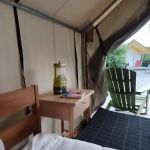 Watch Hill Fire Island Campground & Safari Tent Glamping4.0 (56 reviews)
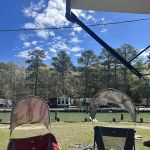 Taylors Island Family Campgrounds4.0 (107 reviews)
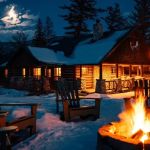 Why Winter is the Best Time for a Camping Cabin Getaway
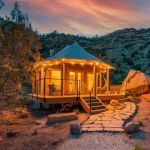 Best Remote Camping Cabins for Stargazing and Night Adventures in the U.S.
 The 10 Must-Have Amenities for a Comfortable Stay in Your Camping Cabin
 Winter Camping Cabins: How to Stay Cozy and Warm in the Cold
 Best Camping Cabins with Stunning Views of National Parks and Forests
 How to Create the Ultimate Outdoor Experience with a Camping Cabin