
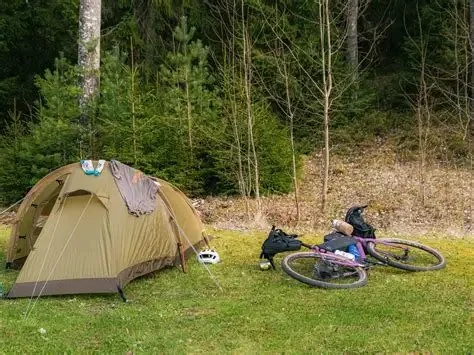
Overnight Camping Without Internet: Finding Balance Between Connection and Freedom
- why-camping-without-internet-is-growing
- planning-for-an-offline-camping-trip
- staying-connected-in-remote-camping-areas
- essential-gear-for-internet-free-camping
- how-to-stay-safe-without-online-access
- benefits-of-unplugged-camping
- common-challenges-of-no-internet-camping
- creating-a-comfortable-cabin-camping-experience
- choosing-the-right-camping-style-for-you
1. Why Camping Without Internet Has Become More Popular
For many people, camping used to mean escaping the noise of everyday life. Today, that escape often includes stepping away from constant notifications, social media updates, emails, and the pressure of always being available.
Learning How to Camp Overnight Without Internet: Staying Connected or Unplugged has become an increasingly popular topic among outdoor enthusiasts because modern campers want flexibility. Some want a true digital detox, while others want enough technology available for safety and emergencies.
The idea of spending a night outdoors without internet access may feel uncomfortable at first. Many people wonder how they will check maps, communicate with family, or handle unexpected situations. However, with the right preparation, camping without internet can become one of the most relaxing and memorable outdoor experiences.
Hospitality Creek Campground
MonroeGloucester CountyNew Jersey
3606 Old Black Horse Pike, Williamstown, NJ 08094, USA
1.1 The Changing Relationship Between People and Technology
Smartphones have become essential tools for navigation, entertainment, and communication. While technology provides many benefits, constant connection can also create stress.
Many campers now choose locations with limited service because they want:
- A break from digital distractions
- More meaningful conversations with family and friends
- A stronger connection with nature
- Time to relax without online pressure
The goal is not always to completely reject technology. Instead, many outdoor travelers are learning how to use technology intentionally.

1.2 Why Offline Camping Feels Different
When internet access disappears, people often become more aware of their surroundings. A quiet evening around a campfire, a morning walk without checking notifications, or simply watching the stars can create experiences that are difficult to find in daily routines.
This is one reason unplugged camping continues to attract beginners and experienced campers alike.
2. Planning Your Overnight Camping Trip Without Internet
Successful camping without internet starts long before arriving at the campsite. Preparation replaces the convenience of instant online information.
2.1 Research Your Location Before Leaving
When internet access may be unavailable, gather important information in advance.
Before your trip, consider checking:
- Campsite rules and restrictions
- Weather conditions
- Trail difficulty levels
- Nearby emergency locations
- Local wildlife information
Save important details offline or write down information you may need later.
2.2 Create a Detailed Camping Plan
A simple plan can make a remote camping trip safer and more enjoyable.
Your plan should include:
- Your destination
- Your expected arrival time
- Travel route
- Emergency contact information
- Backup plans for weather changes
Sharing your plans with someone you trust is an important safety habit, especially when camping in areas with limited communication.
2.3 Prepare Mentally for Less Convenience
Many people underestimate how different life feels without instant internet access.
Small adjustments help:
- Bring physical books instead of relying on online entertainment
- Carry printed maps
- Prepare activities before leaving home
- Accept slower communication
The slower pace is often what makes the experience enjoyable.
3. Ways to Stay Connected While Camping Without Traditional Internet
Camping without internet does not always mean being completely disconnected. Many campers prefer having emergency communication options available while avoiding everyday online distractions.
3.1 Use Offline Navigation Tools
One of the biggest concerns for new campers is getting lost without online maps.
Reliable options include:
- Paper maps
- Offline GPS applications
- Dedicated navigation devices
- Compass and navigation skills
Learning basic navigation skills adds confidence and reduces dependence on internet access.
3.2 Emergency Communication Options
For remote locations, some campers use specialized communication devices designed for areas without cell service.
These tools can provide:
- Emergency messaging
- Location sharing
- Safety alerts
The right choice depends on your location, activity level, and personal comfort.
3.3 Creating a Balanced Approach
Some campers follow a hybrid approach. They keep emergency technology available but avoid using the internet for entertainment or work.
This allows people to enjoy the benefits of being offline while maintaining peace of mind.
4. Essential Gear for Camping Without Internet
Without online access, your equipment becomes even more important. The right gear helps you stay comfortable, organized, and prepared.
4.1 Navigation and Safety Equipment
Important items may include:
- Physical maps
- Compass
- Flashlight or headlamp
- First-aid supplies
- Emergency supplies
These basic tools have supported outdoor travelers for generations and remain valuable today.
4.2 Food and Water Preparation
Internet-free camping requires more self-sufficiency. Plan meals carefully and bring enough water or reliable filtration methods.
Simple camping meals often work best because they reduce preparation challenges.
4.3 Comfort Items for Longer Relaxation
One benefit of disconnecting is having more time for simple activities.
Consider bringing:
- A journal
- Playing cards
- Books
- Outdoor games
- Comfortable camping furniture
These items help create a relaxing environment without digital entertainment.
5. Staying Safe When You Cannot Go Online
Safety preparation becomes even more important when internet access is unavailable.
5.1 Understand Your Surroundings
Before settling into camp, learn about the area.
Pay attention to:
- Weather patterns
- Wildlife activity
- Water sources
- Terrain conditions
5.2 Follow Basic Outdoor Safety Practices
Simple habits prevent many problems:
- Keep food stored properly
- Stay aware of changing weather
- Tell others about your plans
- Avoid unnecessary risks
5.3 Trust Preparation Over Panic
Many first-time offline campers worry about everything that could go wrong. Preparation reduces those concerns.
The goal is not to eliminate every challenge but to know how to handle situations calmly.
6. The Benefits of Disconnecting From the Internet Outdoors
Camping without internet provides benefits that go beyond simply taking a break from screens.
6.1 Better Mental Relaxation
Constant notifications can keep the brain in a state of alertness. Removing digital interruptions allows many people to feel calmer and more present.
6.2 Stronger Relationships
Families and friends often find that conversations improve when phones are not constantly competing for attention.
A shared camping experience can create lasting memories.
6.3 A Greater Appreciation for Nature
Without online distractions, campers often notice small details:
- Sounds of wildlife
- Changes in weather
- Night sky views
- Natural surroundings
These moments are often the reason people return to camping again and again.
7. Common Challenges of Camping Without Internet
7.1 Feeling Unprepared
The biggest challenge for beginners is uncertainty. Without instant answers online, preparation becomes essential.
Creating checklists and planning ahead solves many common problems.
7.2 Managing Emergencies
Some people worry about emergencies when camping offline.
The solution is responsible planning, appropriate equipment, and choosing locations that match your experience level.
7.3 Adjusting to Quiet Time
Some campers find silence uncomfortable at first. After a short adjustment period, many discover that quiet becomes one of the most enjoyable parts of the experience.
8. Creating a Comfortable Cabin Camping Experience Without Internet
For campers who want nature without giving up comfort, cabin camping can provide an excellent balance.
A cabin allows people to enjoy outdoor surroundings while having shelter, warmth, and a more comfortable environment.
8.1 Why Cabins Appeal to Modern Campers
Many travelers choose cabins because they offer:
- Protection from changing weather
- A comfortable sleeping area
- A peaceful outdoor setting
- A simple way to disconnect
8.2 Enjoying a Digital Detox in Comfort
A cabin stay can create the perfect environment for slowing down. Without internet distractions, guests can focus on nature, relaxation, and personal time.
Camping Cabins provides options for people looking to enjoy outdoor experiences while creating a comfortable and memorable getaway.
9. Choosing Between Staying Connected and Going Fully Offline
There is no single correct way to camp. The best approach depends on your goals, experience, and comfort level.
9.1 When Staying Connected Makes Sense
Some situations require communication access:
- Remote travel
- Family safety concerns
- Long-distance adventures
- Unpredictable conditions
9.2 When Going Completely Unplugged Is Rewarding
For many campers, the greatest reward comes from leaving technology behind.
Being offline encourages creativity, relaxation, and deeper connection with the outdoors.
9.3 Finding Your Perfect Outdoor Balance
Learning How to Camp Overnight Without Internet: Staying Connected or Unplugged is about discovering what works best for your adventure style.
Whether you prefer a completely digital-free escape or a prepared camping trip with emergency communication options, the right planning creates a safer and more enjoyable experience.
Explore comfortable outdoor stays and discover new ways to enjoy nature with Camping Cabins. The perfect camping experience is waiting for those ready to step away from daily distractions and reconnect with the outdoors.




 Edison Terrace0.0 (0 reviews)
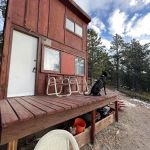 NEVERLAND Cabin Wilder4.0 (5 reviews)
 Huguenot Estates Manufactured Home Community3.0 (69 reviews)
 Country View Mobile Home Park3.0 (6 reviews)
 Cottages on Providence4.0 (6 reviews)
 Middletown Mobile Home Park0.0 (0 reviews)
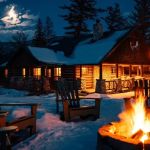 Why Winter is the Best Time for a Camping Cabin Getaway
 Best Remote Camping Cabins for Stargazing and Night Adventures in the U.S.
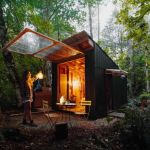 The 10 Must-Have Amenities for a Comfortable Stay in Your Camping Cabin
 Winter Camping Cabins: How to Stay Cozy and Warm in the Cold
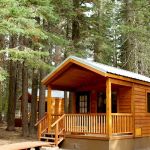 Best Camping Cabins with Stunning Views of National Parks and Forests
 How to Create the Ultimate Outdoor Experience with a Camping Cabin