
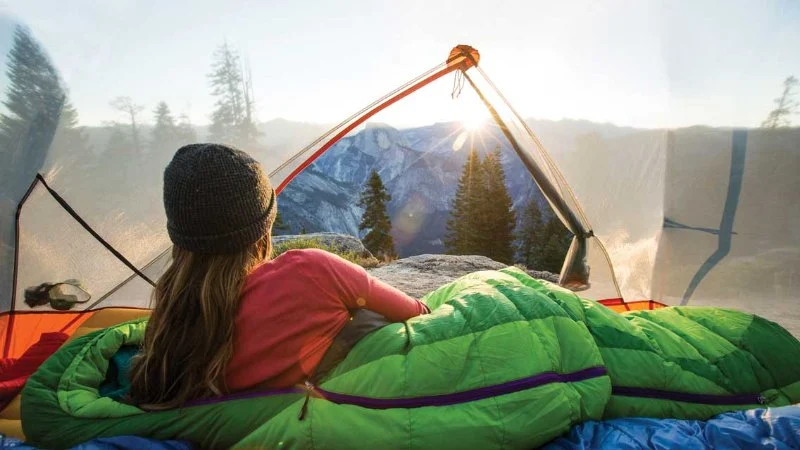
- choosing-the-right-cabin-location
- planning-your-solo-cabin-camping-preparation
- creating-a-relaxing-cabin-experience
- outdoor-activities-for-solo-cabin-retreat
- safety-tips-for-independent-cabin-travel
- making-your-cabin-getaway-more-meaningful
1. Choosing the Right Cabin Location for a Peaceful Solo Escape
A successful solo camping trip in a cabin begins with choosing the right location. Unlike traditional camping where the campsite itself becomes the main focus, a cabin getaway gives you a comfortable base where you can slow down, reconnect with nature, and enjoy personal space. The right location can transform a simple weekend away into a deeply refreshing experience.
Many travelers today are searching for quiet outdoor escapes because modern life often feels constantly connected. Between work notifications, crowded schedules, and daily responsibilities, spending time alone in a natural setting can provide a rare opportunity to reset mentally and physically.

1.1 Consider the Type of Environment You Want
Before booking a cabin, think about what kind of surroundings help you relax the most. Some people feel restored by dense forests, while others prefer mountain views, lakeside scenery, or open fields with wide skies.
A forest cabin can create a cozy atmosphere with peaceful sounds like birds, wind moving through trees, and rainfall on the roof. A lake cabin may offer opportunities for fishing, kayaking, swimming, or simply sitting near the water with a book. Mountain cabins often provide breathtaking views and excellent hiking opportunities.
The best cabin location is not necessarily the most popular destination. Sometimes a smaller, less crowded area provides a more authentic experience. A quiet cabin surrounded by nature can allow you to enjoy your own schedule without distractions.

Horsepen Branch Hiker Biker Campsite
PoolesvilleMontgomery CountyMaryland
Chesapeake and Ohio Canal Towpath, Poolesville, MD 20837, USA
1.2 Research Accessibility and Amenities
Solo travelers should carefully consider how easy it is to reach the cabin. A remote location can feel adventurous, but extremely isolated areas may create unnecessary challenges, especially for first-time solo campers.
Check important details such as road conditions, nearby towns, cell service availability, water access, heating options, and kitchen facilities. A comfortable cabin should provide enough convenience while still allowing you to enjoy the feeling of escaping everyday life.
When exploring options, Camping Cabins can help travelers find suitable cabin experiences designed for different outdoor preferences, from simple nature retreats to comfortable stays with additional amenities.
2. Planning Your Solo Cabin Camping Preparation
Good preparation is what separates a stressful trip from a relaxing one. Planning a solo cabin camping adventure does not mean creating a complicated schedule. Instead, it means preparing enough so you can confidently enjoy your time away.
Many experienced outdoor travelers follow a simple rule: prepare for comfort, safety, and flexibility. A solo trip gives you complete freedom, but it also means you are responsible for your own needs.
2.1 Create a Practical Packing List
One advantage of staying in a cabin is that you do not need to carry everything required for traditional tent camping. However, bringing the right items will make your experience much more enjoyable.
Essential items often include:
- Comfortable outdoor clothing suitable for changing weather
- Warm layers for cool evenings
- Personal toiletries and medications
- Flashlights or headlamps
- Portable chargers or backup batteries
- Reusable water bottles
- Favorite books, journals, or creative supplies
- Simple cooking ingredients and snacks
Many solo travelers also bring items that create a relaxing atmosphere, such as a small speaker for calming music, a favorite blanket, coffee supplies, or a journal for recording thoughts and experiences.
2.2 Plan Meals That Support Relaxation
Food plays a bigger role in a cabin retreat than many people expect. Cooking slowly in a quiet cabin kitchen can become one of the most enjoyable parts of the experience.
Instead of complicated recipes, consider simple meals that allow you to spend more time outdoors. Breakfast foods like oatmeal, fresh fruit, eggs, and coffee are easy to prepare. Dinner options such as grilled vegetables, soup, pasta, or campfire meals provide comfort after a day of exploring.
A solo cabin trip is also a chance to enjoy meals without rushing. Eating near a window overlooking the woods or outside under the stars can turn an ordinary meal into a memorable moment.
3. Creating a Relaxing Cabin Experience
The purpose of a solo camping trip in a cabin is not simply to visit a new place. The real value comes from creating an environment where you can rest, reflect, and enjoy your own company.
Many people initially worry about traveling alone because they believe they will feel bored. However, many solo travelers discover that quiet time becomes one of the most rewarding parts of the journey.
3.1 Disconnect From Everyday Stress
A cabin retreat provides an opportunity to reduce digital distractions. While completely disconnecting may not be realistic for everyone, setting boundaries with technology can greatly improve relaxation.
Try creating specific times to check messages instead of constantly looking at your phone. Spend more time listening to natural sounds, watching sunsets, reading, or simply sitting outside.
One traveler shared a story about taking a three-day cabin trip after years of working nonstop. At first, the silence felt unusual. By the second day, the quiet became the favorite part of the trip. Without constant interruptions, simple activities like making coffee and walking through the woods felt meaningful again.
3.2 Design a Personal Cabin Routine
A personal routine can make your cabin stay feel intentional. Since you are not following someone else's schedule, you can create a rhythm that matches your energy.
A relaxing daily routine might include:
- Morning coffee while watching the sunrise
- A peaceful walk before lunch
- Reading or writing during quiet afternoons
- Cooking dinner slowly
- Stargazing before bedtime
The beauty of solo travel is having complete control over your time. You can sleep late, explore longer, or spend an entire afternoon doing nothing without needing to compromise.
4. Outdoor Activities That Make Your Cabin Trip Memorable
A cabin provides comfort, but the surrounding outdoors creates the adventure. The best solo cabin trips combine relaxation with simple outdoor experiences that help you feel connected to nature.
4.1 Explore Local Hiking Trails
Hiking is one of the most rewarding activities for solo cabin travelers. Walking through natural landscapes allows you to exercise while enjoying peaceful surroundings.
Before heading out, research trail difficulty, estimated hiking time, and weather conditions. Beginners should choose shorter, well-marked trails before attempting more challenging routes.
Bring water, appropriate footwear, and basic safety supplies. Even a short nature walk can become a highlight of your trip when you take time to appreciate the scenery.
4.2 Enjoy Slow Outdoor Experiences
Not every outdoor activity needs to be physically demanding. Some of the most memorable cabin moments come from simple experiences.
Consider activities like:
- Fishing at a nearby lake
- Photography during sunrise or sunset
- Reading outdoors
- Watching wildlife from a distance
- Writing in a travel journal
- Relaxing beside a fire
These slower activities encourage mindfulness and allow you to notice details that are often missed during busy everyday routines.
5. Safety Tips for Independent Cabin Travel
Traveling alone offers freedom, but safety should always remain a priority. A little preparation allows you to enjoy your cabin experience with confidence.
5.1 Share Your Travel Plans
Before leaving, tell a trusted friend or family member your destination, expected arrival time, and general travel plans. This simple step provides an additional layer of security.
Keep important information available, including emergency contacts, cabin details, and local services.
5.2 Understand Your Surroundings
When arriving at a new cabin, take time to understand the property and nearby area. Learn where emergency supplies are located, identify possible hazards, and become familiar with local conditions.
Respect wildlife and avoid approaching animals. Store food properly and follow local outdoor guidelines.
5.3 Prepare for Weather Changes
Weather conditions can change quickly in outdoor environments. Check forecasts before your trip and pack accordingly.
Extra layers, waterproof clothing, and reliable lighting equipment can make a significant difference if conditions become unexpected.
6. Making Your Cabin Getaway More Meaningful
A solo camping trip in a cabin can become much more than a vacation. It can be a chance to reconnect with yourself and create memories that last long after returning home.
6.1 Use the Time for Personal Reflection
Many people use cabin retreats to think about personal goals, creative projects, or life changes. Away from normal routines, it becomes easier to focus on thoughts that are often ignored.
Keeping a journal during your stay can help capture ideas, emotions, and memorable moments. Years later, those notes can remind you of the peaceful experience you created.
6.2 Choose Comfort That Matches Your Style
Everyone's ideal retreat looks different. Some travelers prefer rustic cabins with minimal distractions, while others enjoy modern cabins with comfortable furniture and additional features.
The most important thing is choosing a space that supports your version of relaxation. Whether you want quiet mornings, outdoor adventures, or creative inspiration, the right cabin can make the experience unforgettable.
For travelers looking to create a peaceful outdoor escape, exploring quality options through Camping Cabins can be a great way to discover comfortable locations designed for memorable solo adventures. Start planning your next solo camping trip in a cabin and find the perfect place to slow down, recharge, and enjoy nature on your own terms.
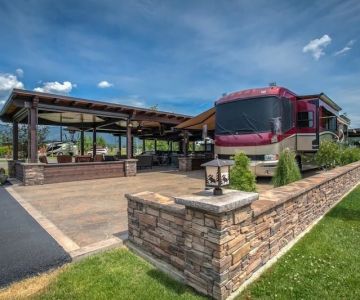
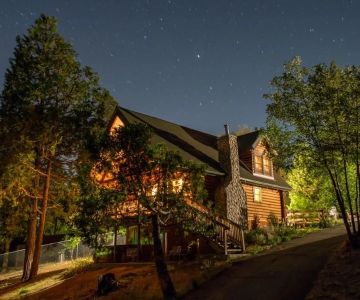
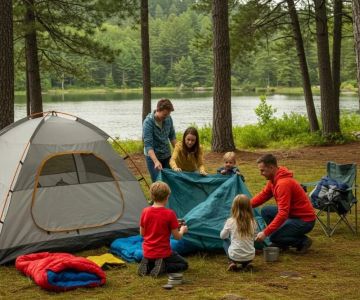
 East Hampton Village Manufactured Home Community4.0 (49 reviews)
 Greenbelt Campground4.0 (186 reviews)
 Camelot Village3.0 (23 reviews)
 Range 14 RV Park4.0 (39 reviews)
 Sherwood Forest5.0 (2 reviews)
 Windy Acres RV4.0 (38 reviews)
 Why Winter is the Best Time for a Camping Cabin Getaway
 Best Remote Camping Cabins for Stargazing and Night Adventures in the U.S.
 The 10 Must-Have Amenities for a Comfortable Stay in Your Camping Cabin
 Winter Camping Cabins: How to Stay Cozy and Warm in the Cold
 Best Camping Cabins with Stunning Views of National Parks and Forests
 How to Create the Ultimate Outdoor Experience with a Camping Cabin