
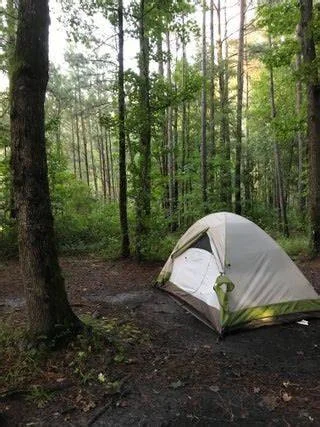
1. Why Choose Congaree National Park for Camping?
Located in the heart of South Carolina, Congaree National Park is a hidden gem for nature lovers and camping enthusiasts. As the largest floodplain forest in the United States, this park offers a unique landscape, diverse wildlife, and immersive outdoor experiences that attract visitors from all over the country. Whether you’re an experienced camper or a first-time adventurer, camping in Congaree National Park provides an unforgettable experience, combining tranquility, natural beauty, and the opportunity to connect with nature.
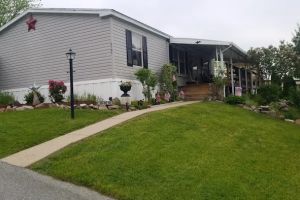
Glencrest Mobile Home Park, by Valley Community Management
SlatingtonLehigh CountyPennsylvania
Glencrest Rd, Slatington, PA 18080, USA
2. What Makes Congaree National Park a Unique Camping Destination?
- 2.1 The Unique Ecosystem of the Floodplain Forest
- 2.2 Wildlife and Biodiversity at Congaree
- 2.3 Water-Based Activities and River Adventures
2.1 The Unique Ecosystem of the Floodplain Forest
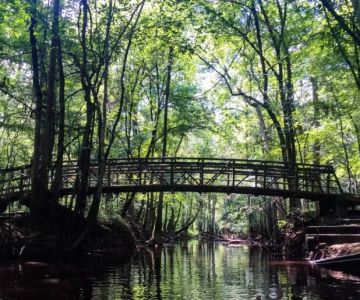
Congaree National Park is a rare and pristine example of a temperate floodplain forest. The park's landscape is shaped by the Congaree River, which periodically floods the land, creating a dynamic environment that supports a wide range of plant and animal life. This wetland ecosystem is home to towering trees, dense forests, and expansive swamps, making it a paradise for those who enjoy exploring unique landscapes. Whether you're hiking along the boardwalks or kayaking on the river, the ecosystem offers a variety of experiences for all types of outdoor adventurers.
2.2 Wildlife and Biodiversity at Congaree
One of the highlights of camping at Congaree National Park is the opportunity to observe a diverse array of wildlife. The park’s rich biodiversity includes over 200 species of birds, 50 species of reptiles and amphibians, and countless species of insects and plants. You might catch a glimpse of the park’s iconic species, such as the great blue heron, otters, and the rare, endangered Swallow-tailed Kite. Wildlife enthusiasts will be especially thrilled by the chance to see these creatures in their natural habitat, especially during early mornings or evening hours when they are most active.
2.3 Water-Based Activities and River Adventures
The Congaree River plays a central role in the park's ecosystem, and water-based activities are a significant part of the camping experience. Canoeing and kayaking along the river offer visitors a peaceful and scenic way to explore the floodplain forest. The slow-moving waters and calm, serene environment allow you to immerse yourself fully in the park's beauty. Additionally, fishing and hiking along the riverbanks provide opportunities to connect with the natural surroundings in a unique way. If you're planning to camp, be sure to include a water-based activity in your itinerary for an unforgettable experience.
3. Where to Camp in Congaree National Park
3.1 Cedar Creek Campground
Cedar Creek Campground is the primary developed campground in Congaree National Park and offers an excellent base for exploring the park’s diverse landscapes. The campground provides a range of amenities, including picnic tables, fire rings, and access to nearby trails. It’s ideal for those looking for a more comfortable camping experience without venturing too far from civilization. Additionally, it’s located near Cedar Creek, providing easy access to the park’s water-based activities. It’s important to note that campsites at Cedar Creek are first-come, first-served, so it’s a good idea to arrive early, especially during peak seasons.
3.2 Backcountry Camping: An Off-the-Grid Experience
For those seeking a more remote and immersive experience, backcountry camping is a great option. Congaree National Park allows visitors to camp in the wilderness areas away from established campgrounds, offering a true off-the-grid experience. The park has designated backcountry campsites, but no amenities, so campers need to be self-sufficient and prepared for the conditions. This option is perfect for experienced campers who want to experience the park's wilderness firsthand, surrounded by the sights and sounds of the forest. Remember to check in with park staff for permit requirements and trail conditions before heading out.
4. Best Time to Visit Congaree National Park for Winter Camping
Winter is an excellent time to visit Congaree National Park for camping, especially for those who prefer to avoid the crowds. The park’s dense forests and peaceful atmosphere offer a serene setting during the colder months. Winter temperatures are generally mild, but it’s important to be prepared for rain or occasional freezing temperatures. Winter camping allows you to experience the beauty of the park's snow-covered trails, frosty mornings, and quiet nights under the stars. For the best winter experience, be sure to check weather conditions and prepare accordingly with warm clothing and gear.
5. Tips for a Successful Camping Trip in Congaree National Park
5.1 Essential Gear for Winter Camping
When camping in Congaree National Park, particularly in the winter, it’s essential to have the right gear. Some items to consider bringing include:
- Warm, moisture-wicking layers for staying dry and comfortable
- A high-quality sleeping bag rated for cold temperatures
- A waterproof tent with good ventilation to handle rain or frost
- Sturdy boots for hiking through wet or muddy terrain
- A reliable headlamp or flashlight for those shorter winter days
5.2 Safety Tips for Camping in a Floodplain Forest
While camping in a floodplain forest like Congaree is an incredible experience, it’s important to follow safety precautions. First, be aware of weather conditions, as sudden rains can lead to high water levels. Always camp at least 100 feet from rivers or creeks to avoid potential flooding. It’s also a good idea to bring a first-aid kit, insect repellent, and a map of the park’s trails. Lastly, remember to follow Leave No Trace principles to preserve the natural beauty of Congaree National Park for future generations.
If you’re looking for the best camping gear or cabin rentals in the area, Camping Cabins offers a wide selection of equipment, camping accessories, and more to make your trip to Congaree National Park even better.

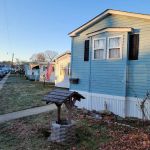 Shore Haven3.0 (4 reviews)
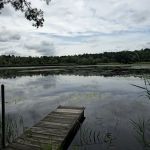 Lady’s Lake Campgroud4.0 (27 reviews)
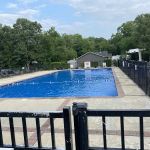 Butterfly Camping Resort4.0 (288 reviews)
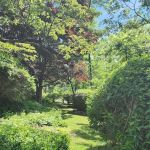 Cherry Mobile Home Park4.0 (15 reviews)
 Ben Franklin RV Park4.0 (166 reviews)
 Beechwood4.0 (19 reviews)
 Why Winter is the Best Time for a Camping Cabin Getaway
 Best Remote Camping Cabins for Stargazing and Night Adventures in the U.S.
 The 10 Must-Have Amenities for a Comfortable Stay in Your Camping Cabin
 Winter Camping Cabins: How to Stay Cozy and Warm in the Cold
 How to Create the Ultimate Outdoor Experience with a Camping Cabin
 Best Camping Cabins with Stunning Views of National Parks and Forests