Camping Cabins
Camping ChroniclesCamping Cabin Near MeCampgrounds Near MeCottages Near MeRv Parks Near Me
ArizonaArkansasCaliforniaColoradoConnecticutDelawareDistrict of ColumbiaFloridaGeorgiaIllinoisIndianaKentuckyLouisianaMarylandMassachusettsMichiganMinnesotaMissouriNebraskaNew JerseyNew MexicoNew YorkNorth CarolinaOhioOklahomaOregonPennsylvaniaSouth CarolinaTennesseeTexasVirginiaWashingtonWest VirginiaWisconsin
Camping CabinsCamping Chronicles

Wildlife Photography Tips for Campers: Capturing Animals Responsibly

Wildlife Photography Tips for Campers: Capturing Animals ResponsiblyWildlife Photography Tips for Campers: Capturing Animals Responsiblywildlife photography, camping wildlife photography, capturing animals responsibly, wildlife photography tips, outdoor photography, responsible wildlife photography, nature photographyExplore essential wildlife photography tips for campers. Learn how to capture animals responsibly and respectfully, while enhancing your outdoor photography skills for stunning wildlife images.

The Importance of Responsible Wildlife Photography

Wildlife photography is a rewarding way to capture the beauty of animals in their natural habitat. However, it’s crucial to approach this form of photography with respect for the animals and their environment. Responsible wildlife photography involves observing ethical guidelines to ensure that animals are not disturbed, harmed, or stressed for the sake of a good shot.Respect for wildlife should always come first. Approaching animals in their natural environment requires patience, careful planning, and an understanding of animal behavior. As a camper and photographer, you have a responsibility to minimize your impact on the ecosystem while capturing stunning images.

Basic Wildlife Photography Tips for Campers

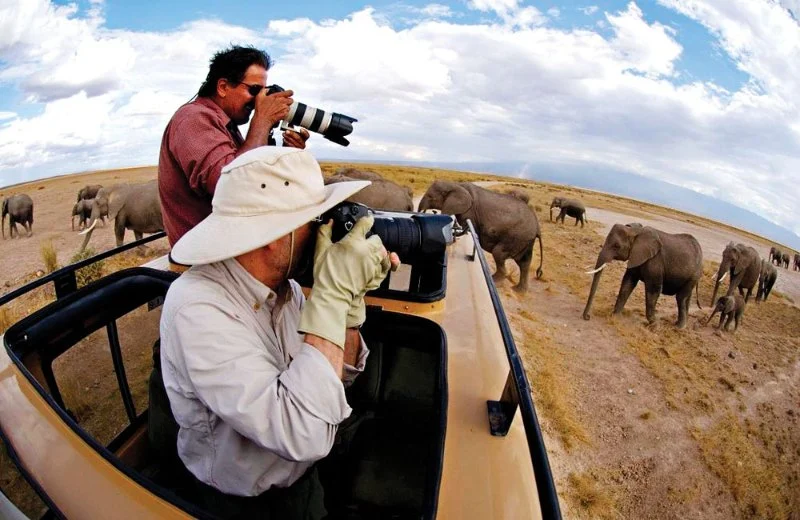
Capturing wildlife in its natural environment can be both challenging and exhilarating. Here are some essential tips for taking great wildlife photos during your camping trips:Know the Animals and Their Behavior:Research the wildlife in the area before you go camping. Understanding the behavior patterns of animals, such as their feeding times or migration habits, will help you predict their movements and increase your chances of capturing natural moments.Patience is Key:Wildlife photography often requires long hours of waiting. Animals are unpredictable, and you may need to wait for the perfect shot. Be patient and remain quiet to avoid startling the animals.Use Natural Light:Whenever possible, take advantage of natural lighting. Early mornings and late afternoons offer the best lighting conditions for wildlife photography, with softer, more flattering light. Avoid using flash, as it can startle animals and disrupt their natural behavior.Frame the Shot:Consider the composition of your photo. Look for interesting backgrounds that complement the animal without distracting from it. A blurred background (using a shallow depth of field) can help emphasize the animal and create a more visually appealing shot.Avoid Crowding the Animals:Give animals space and don’t invade their territory. Never try to get too close for a shot, as it can cause stress or lead to dangerous situations for both you and the animal. Use a zoom lens to capture close-up shots without disturbing the subject.

Best Camera Gear for Wildlife Photography

Having the right camera gear is crucial for capturing wildlife effectively, especially in outdoor environments like campsites. Here’s a rundown of the essential equipment for wildlife photography:DSLR or Mirrorless Camera:A high-quality DSLR or mirrorless camera with a good autofocus system is essential for wildlife photography. These cameras offer flexibility with lenses and settings, allowing you to capture sharp, detailed images of fast-moving animals.Telephoto Lens:A telephoto lens (200mm or longer) is indispensable for wildlife photography. It allows you to take close-up shots of animals from a distance, preventing disturbance and ensuring you don’t scare them away.Tripod or Monopod:A tripod or monopod helps stabilize your camera for long exposure shots and reduces the strain on your arms during long shooting sessions. It also helps in low-light conditions, ensuring sharp images.Camera Bag and Lens Protection:When camping, it’s important to keep your gear safe and dry. Invest in a weather-resistant camera bag and lens protection to shield your equipment from the elements, especially when you're in the wild or near water.

How to Approach Animals Safely for Photography

Approaching wildlife can be tricky. Here are some tips to ensure you do it safely and responsibly:Keep Your Distance:Always maintain a safe distance from the animals. Use your zoom lens to capture them without getting too close. Approaching animals too quickly can cause them to flee or become aggressive.Move Slowly and Quietly:Sudden movements and loud noises can startle animals, ruining your shot and potentially endangering the animal. Move slowly and quietly, keeping a calm presence to avoid alarming the animal.Observe Before Acting:Take time to observe the animal before snapping photos. This gives you a better understanding of the animal’s behavior and helps you decide the best moment for a photo.Respect Boundaries:Never approach animals that appear to be guarding their young or food. These are sensitive situations, and intruding can cause undue stress on the animal and put you at risk.

Real-Life Examples of Responsible Wildlife Photography

One example of responsible wildlife photography comes from Jennifer, a camper who recently visited a national park in Alaska. She had always wanted to photograph bears in the wild. Instead of chasing after the animals, she set up near a stream where bears were known to fish. She used a long telephoto lens to capture stunning images of the bears from a safe distance, ensuring she didn’t disrupt their natural behavior.Another photographer, Mark, shared his experience with photographing wolves in Wyoming. He carefully researched the wolves’ habits and ensured he was at least 200 meters away at all times. Mark used a combination of natural light and a tripod to capture breathtaking shots without putting the animals or himself at risk.

Finding the Best Wildlife Photography Locations While Camping

When you’re camping, the best places for wildlife photography are often remote and untouched natural areas. Here’s how to find prime wildlife photography locations:National Parks and Reserves:Many national parks, wildlife reserves, and nature conservancies are home to abundant wildlife. Research the parks you’re planning to visit and find out which animals are native to the area and the best times to photograph them.Water Sources:Animals are often drawn to water sources, such as lakes, rivers, and streams. These are great places to find a variety of wildlife, especially early in the morning or at dusk when animals are most active.Mountainous and Forested Areas:Areas with dense forests, mountains, and valleys often provide habitats for animals like deer, moose, and various bird species. These places can offer some of the most picturesque and diverse wildlife photography opportunities.

Final Thoughts

Wildlife photography is a rewarding pursuit that combines the excitement of capturing nature with the responsibility of preserving it. As a camper, following ethical guidelines and respecting animals' space and well-being ensures that you can create stunning photos without harming the animals or the environment. By using the right gear, approaching animals safely, and following responsible practices, you can take beautiful photographs that showcase the majesty of wildlife while maintaining your integrity as a photographer.For those eager to learn more about camping and wildlife photography, Camping Cabins offers great resources and gear that can enhance your outdoor adventures.

Popular Blog Posts

Categories

Top Visited Sites

Trending Camping Chronicles Posts