
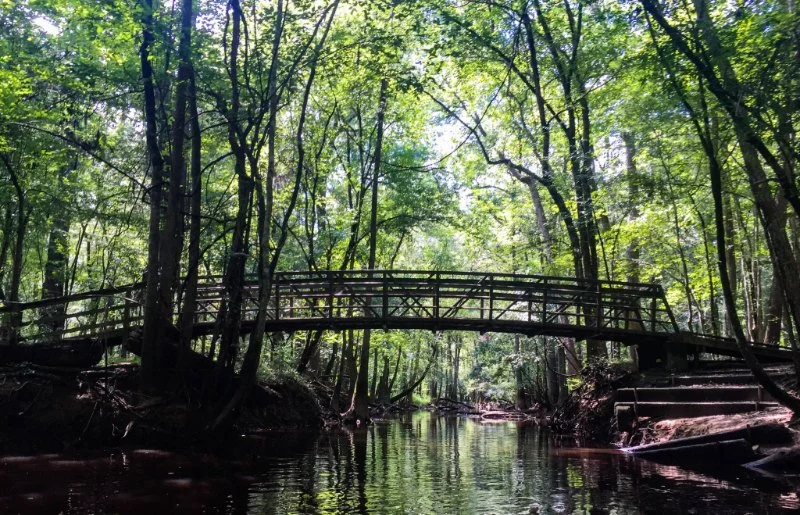
- Why Congaree National Park is a Top Camping Destination
- Exploring the Floodplain Forest
- Best Camping Spots in Congaree National Park
- Hiking and Other Activities in Congaree
- What to Bring for Camping in Congaree
1. Why Congaree National Park is a Top Camping Destination
Congaree National Park, located in the heart of South Carolina, offers a unique camping experience for nature enthusiasts. As one of the largest intact floodplain forests in the United States, the park is home to diverse ecosystems and abundant wildlife. Whether you are an experienced camper or a beginner, Congaree provides an ideal setting to connect with nature, explore rich biodiversity, and escape the hustle and bustle of city life.
What makes Congaree National Park so special is its combination of historical significance, stunning natural beauty, and accessible camping spots. The park is a hidden gem in the southeastern United States, offering an experience that blends adventure with tranquility, making it one of the best camping destinations in the region.

2. Exploring the Floodplain Forest
The primary feature of Congaree National Park is its floodplain forest, which is not only unique in its appearance but also rich in ecological importance. This type of forest thrives in areas prone to periodic flooding, which allows for a diverse range of plant and animal life. As the water levels rise and fall throughout the year, the forest adapts, creating a dynamic and constantly changing environment.
Visitors can explore this incredible landscape through various trails, where they can walk among towering trees, including some of the tallest and oldest specimens in the eastern United States. The park is home to various types of plants, including swamp tupelo, bald cypress, and water tupelo, creating a dense and lush canopy overhead.
The floodplain is also teeming with wildlife. Birdwatchers will be delighted by the variety of bird species, including herons, egrets, and warblers. Additionally, the park is home to many mammals, amphibians, and reptiles, making it a prime spot for wildlife viewing. Exploring the floodplain forest is a once-in-a-lifetime experience that is both educational and awe-inspiring.

3. Best Camping Spots in Congaree National Park
Congaree National Park offers both backcountry and frontcountry camping options, giving visitors a wide range of experiences depending on their preferences. Here are some of the best camping spots to consider:
3.1 Longleaf Campground
For those who prefer convenience while still being immersed in nature, Longleaf Campground is the park's primary frontcountry campground. Located near the park's visitor center, this site offers easy access to the park’s trails and other attractions. The campground is equipped with picnic tables, fire rings, and restrooms, making it a comfortable base for exploring the park’s wilderness. Longleaf is perfect for families, beginner campers, or those who want to enjoy a more relaxed camping experience without sacrificing proximity to the park's natural beauty.
3.2 Backcountry Camping
If you’re looking for a more rugged camping experience, the park also offers backcountry camping. There are several designated backcountry sites that require a bit of hiking to reach. These spots allow for a more secluded and immersive experience in the heart of the floodplain forest. Backpackers will find the peace and solitude they crave, and they’ll be able to explore the park’s wildest corners, far away from the crowds.
Before heading out, make sure to obtain a permit, as backcountry camping in Congaree requires registration and planning to ensure safety and environmental protection.
4. Hiking and Other Activities in Congaree
Congaree National Park is a hiker's paradise, with more than 25 miles of trails to explore. The park’s trails offer varying levels of difficulty, so there is something for everyone, from casual walkers to seasoned hikers. Here are some of the most popular activities in Congaree National Park:
4.1 Hiking the Boardwalk Loop
The Boardwalk Loop Trail is one of the most accessible and popular trails in the park. This 2.4-mile loop takes visitors through the heart of the floodplain forest, providing an up-close look at the towering trees and unique ecosystem of the park. The trail is built on a raised boardwalk, making it ideal for hikers of all abilities. Along the way, you'll encounter interpretive signs that explain the park’s history and ecology, adding an educational component to the experience.
4.2 Kayaking on the Congaree River
For water enthusiasts, kayaking or canoeing on the Congaree River is a must-do activity. The park offers canoe and kayak rentals, allowing visitors to explore the river's winding paths and observe the park from a completely different perspective. As you paddle through the serene waters, you’ll have the chance to spot wildlife such as otters, turtles, and a variety of bird species.
4.3 Birdwatching and Wildlife Viewing
Congaree is a haven for birdwatchers, offering opportunities to see a variety of migratory birds, waterfowl, and native species. The park’s diverse habitats provide a perfect setting for birding throughout the year. Additionally, the park’s wildlife, including white-tailed deer, bobcats, and various amphibians, adds to the excitement of visiting.
5. What to Bring for Camping in Congaree
To ensure a successful and enjoyable camping experience in Congaree National Park, it’s important to be prepared. Here’s a list of essentials you should bring:
5.1 Camping Gear
Depending on where you choose to camp, you will need a tent, sleeping bag, and other camping gear. For backcountry camping, make sure to bring a lightweight tent and a portable stove, as there are no amenities in the backcountry sites. For frontcountry camping, a larger tent and camp chairs will provide extra comfort.
5.2 Clothing and Footwear
Wear lightweight, moisture-wicking clothing to stay comfortable while hiking and exploring the park. Sturdy hiking boots are essential for navigating the trails, especially the more rugged ones. Don’t forget to bring a rain jacket, as the park’s floodplain can sometimes experience sudden weather changes.
5.3 Insect Repellent and Sunscreen
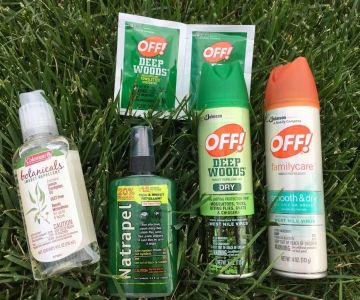
Insect repellent is a must in Congaree National Park, especially during the summer months when mosquitoes and other bugs are most active. Sunscreen is also important to protect your skin from the sun while hiking or kayaking.
Camping in Congaree National Park offers a unique opportunity to explore one of the most beautiful and ecologically important areas in South Carolina. Whether you’re looking for a simple weekend getaway or an immersive backcountry adventure, Congaree has something for everyone. For the best camping equipment and supplies, visit Camping Cabins to find the perfect gear for your trip.

 Fairwinds Communities LLC3.0 (76 reviews)
 Chisel Branch Hiker Biker Campsite4.0 (28 reviews)
 Elko Schutte Carpenter Trailer4.0 (9 reviews)
 Baiting Hollow Scout Camp- Boy Scouts of America4.0 (92 reviews)
 Julie Y Cabin3.0 (4 reviews)
 Zenfulcove5.0 (43 reviews)
 Why Winter is the Best Time for a Camping Cabin Getaway
 Best Remote Camping Cabins for Stargazing and Night Adventures in the U.S.
 The 10 Must-Have Amenities for a Comfortable Stay in Your Camping Cabin
 Winter Camping Cabins: How to Stay Cozy and Warm in the Cold
 How to Create the Ultimate Outdoor Experience with a Camping Cabin
 Best Camping Cabins with Stunning Views of National Parks and Forests