
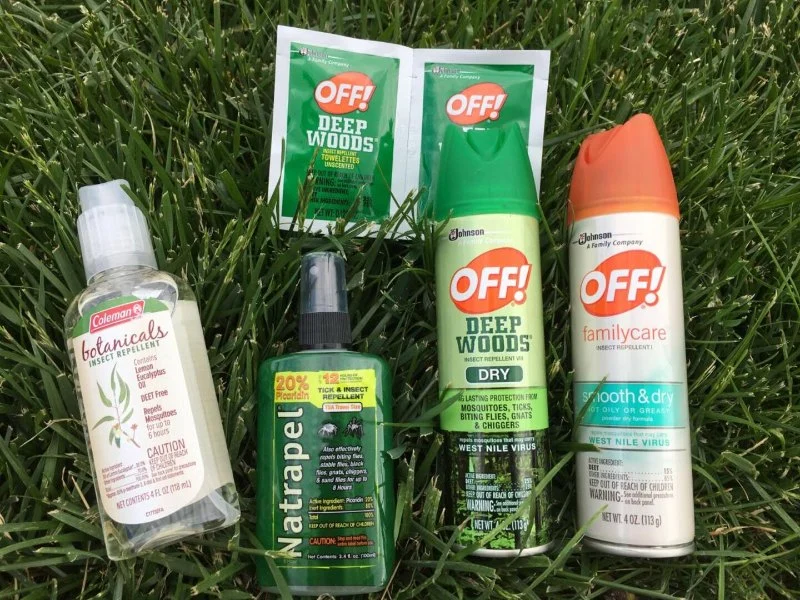
Ticks and Mosquitoes: Natural Repellents and How to Check for Ticks
Spending time outdoors can be a refreshing experience, but it also comes with the risk of encountering ticks and mosquitoes. These pesky insects not only cause discomfort, but they can also pose serious health risks by transmitting diseases such as Lyme disease and West Nile virus. In this article, we’ll explore natural repellents for ticks and mosquitoes, as well as provide guidance on how to check for ticks after spending time outdoors.
- 1. Why Ticks and Mosquitoes Are a Risk
- 2. Natural Repellents for Ticks and Mosquitoes
- 3. How to Check for Ticks After Outdoor Activities
- 4. Tips to Avoid Ticks and Mosquitoes
- 5. Camping Cabins Products to Keep You Safe Outdoors
1. Why Ticks and Mosquitoes Are a Risk
Ticks and mosquitoes are more than just a nuisance—they’re capable of transmitting a range of diseases that can impact your health. Ticks are known to carry diseases such as Lyme disease, which can cause long-term symptoms like fatigue, joint pain, and neurological issues. Mosquitoes, on the other hand, are vectors for diseases like malaria, dengue, and Zika virus.
Ticks and Their Dangerous Diseases
Ticks live in wooded or grassy areas and latch onto animals or humans that pass by. The longer a tick remains attached to the skin, the greater the risk of disease transmission. Lyme disease, transmitted by the black-legged tick, is the most common tick-borne illness in the U.S.

Mosquitoes and Disease Transmission
While mosquitoes are commonly found in many outdoor environments, they are especially prevalent near standing water. They transmit diseases such as West Nile virus and Zika virus, which can be especially dangerous for pregnant women and young children.
2. Natural Repellents for Ticks and Mosquitoes
Using chemical repellents can sometimes lead to skin irritation or be harmful to the environment. Fortunately, there are several natural alternatives that are just as effective in keeping ticks and mosquitoes at bay.
Essential Oils as Natural Repellents
Essential oils such as citronella, eucalyptus, and lavender are known to repel mosquitoes and ticks. You can create your own natural spray by mixing these oils with water or a carrier oil like coconut oil. Here’s a simple DIY recipe:
- 10 drops of citronella oil
- 10 drops of eucalyptus oil
- 1 tablespoon of carrier oil (e.g., coconut oil)
- 2 ounces of water
Mix the ingredients in a spray bottle and apply to your skin and clothing before heading outdoors.
Herbal Remedies for Mosquitoes
For a natural mosquito repellent, you can also use herbs like basil, rosemary, and mint. Growing these plants around your campsite or home will help keep mosquitoes away. Alternatively, you can crush the leaves and rub them directly on your skin for short-term relief.
Neem Oil
Neem oil is a natural insect repellent that has been used for centuries in various cultures. It has been shown to effectively repel mosquitoes and ticks when applied to the skin. Mix it with a carrier oil for safe application.
3. How to Check for Ticks After Outdoor Activities
After a day outdoors, especially in wooded or grassy areas, it’s crucial to check your body for ticks. Early detection can prevent diseases like Lyme disease from being transmitted. Here’s how to properly check for ticks:
Where Ticks Are Likely to Attach
Ticks are typically found in areas where the skin is covered by clothing or where they can easily latch onto your body. Common areas where ticks attach include:
- Behind the knees
- Armpits
- Neck and ears
- Hairline and scalp
- Groin area
Steps to Check for Ticks
To check for ticks:
- Examine your body thoroughly, especially the areas listed above.
- Use a mirror to check hard-to-see areas like your back and the back of your head.
- Have a partner check areas you cannot reach.
If you find a tick, remove it carefully with fine-tipped tweezers. Grasp the tick as close to the skin’s surface as possible, pull upward with steady, even pressure. Clean the bite area and your hands with rubbing alcohol or soap and water.
4. Tips to Avoid Ticks and Mosquitoes
Prevention is always the best strategy when it comes to avoiding ticks and mosquitoes. Here are some helpful tips to keep these pests away:
Wear Protective Clothing
When venturing into areas with heavy vegetation, wear long-sleeved shirts and pants. Tuck your pants into your socks or boots to create a barrier that makes it harder for ticks to attach to your skin.
Use Insect Repellent
Even when using natural repellents, consider using an additional repellent on exposed skin. DEET, picaridin, and oil of lemon eucalyptus are some of the most effective mosquito repellents available.
Check Pets for Ticks
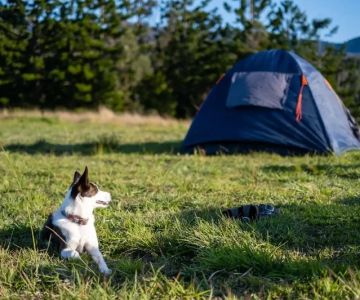
If you’ve been hiking or camping with pets, make sure to check them for ticks too. Ticks often latch onto animals, so regular checks will help protect both you and your furry friends.
5. Camping Cabins Products to Keep You Safe Outdoors
If you’re planning to spend time in nature, especially in areas known for ticks and mosquitoes, it’s important to be prepared. At Camping Cabins, we offer a variety of products to keep you safe from pests, including natural insect repellents, tick removal tools, and protective clothing. Explore our collection to make your outdoor experience comfortable and safe.
Visit Camping Cabins today for the best products to keep ticks and mosquitoes at bay while you enjoy your outdoor adventures.

 Hickory Hills Manufactured Home Community4.0 (112 reviews)
 Silver Stream Village Manufactured Home Community3.0 (27 reviews)
 Jaggers Point Campground4.0 (62 reviews)
 High Manor3.0 (38 reviews)
 Oakdale Mobile Home Park3.0 (72 reviews)
 Navy Earle MWR RV Park4.0 (56 reviews)
 Why Winter is the Best Time for a Camping Cabin Getaway
 Best Remote Camping Cabins for Stargazing and Night Adventures in the U.S.
 The 10 Must-Have Amenities for a Comfortable Stay in Your Camping Cabin
 Winter Camping Cabins: How to Stay Cozy and Warm in the Cold
 How to Create the Ultimate Outdoor Experience with a Camping Cabin
 Best Camping Cabins with Stunning Views of National Parks and Forests