
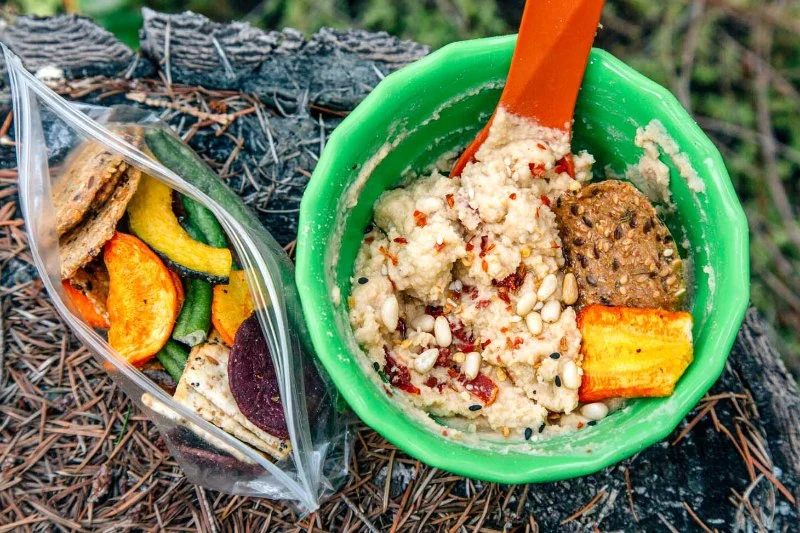
- 1. Why Dehydrate Food for Backpacking?
- 2. Essential Foods to Dehydrate for Backpacking
- 3. Simple Recipes for Dehydrated Backpacking Meals
- 4. Tips for Successful Food Dehydration
- 5. How to Store and Rehydrate Dehydrated Food
1. Why Dehydrate Food for Backpacking?
When it comes to backpacking, food plays a crucial role in keeping your energy levels up while ensuring that you carry minimal weight. Dehydrating meals for backpacking offers several benefits:
- Lightweight: Dehydrated food is much lighter than fresh food, making it ideal for long hikes where every ounce counts.
- Long Shelf Life: Dehydrated food lasts much longer, making it perfect for multi-day trips or emergency situations.
- Compact Storage: Dehydrated meals take up far less space than their fresh counterparts, allowing you to pack more efficiently.
- Customizable: By dehydrating your own meals, you can create personalized recipes that suit your taste preferences and dietary needs.

Holly Lake Campsites - Holly Lake Camp Store & Grill
MillsboroSussex CountyDelaware
32087 Holly Lake Rd, Millsboro, DE 19966, USA
2. Essential Foods to Dehydrate for Backpacking
There are a variety of foods that are perfect for dehydration and can be used to create easy, flavorful backpacking meals. Some of the best foods to dehydrate include:
- Fruits: Apples, bananas, berries, and mangoes are excellent choices for dehydration. They make for delicious snacks or can be added to oatmeal or granola.
- Vegetables: Carrots, peas, bell peppers, and spinach dehydrate well and can be added to soups, stews, and pasta dishes.
- Proteins: Chicken, beef, turkey, and fish can be dehydrated and used in a variety of dishes, from casseroles to sandwiches.
- Grains and Legumes: Rice, quinoa, lentils, and beans are great for dehydrating and serve as the base for many backpacking meals.
- Cheese: Hard cheeses like Parmesan or cheddar can be dehydrated and are perfect for adding flavor to your meals.

Cherry Hill Park
College ParkPrince George's CountyMaryland
9800 Cherry Hill Rd, College Park, MD 20740, USA
3. Simple Recipes for Dehydrated Backpacking Meals
Here are a few easy and delicious dehydrated meal ideas that you can make ahead of time for your backpacking trip:
- Dehydrated Chicken and Rice: Combine dehydrated chicken, cooked rice, peas, and a few spices (like garlic powder, onion powder, and salt). After dehydration, simply add hot water to rehydrate and enjoy a filling meal.
- Vegetable Soup: Use a mix of dehydrated vegetables like carrots, celery, and onions. Add some vegetable broth powder and seasonings. When ready to eat, just add hot water and let the soup rehydrate in your pot.
- Breakfast Oatmeal: Dehydrate your favorite fruits (like berries or bananas) and mix them with rolled oats. Pack this mixture into a bag, and when you’re ready to eat, just add hot water for a warm, filling breakfast.
- Spaghetti with Tomato Sauce: Dehydrate cooked spaghetti and a tomato-based sauce with herbs. Add boiling water to rehydrate, and you’ll have a hearty meal in minutes.
4. Tips for Successful Food Dehydration
Dehydrating food for backpacking can seem like a simple task, but there are a few tips that will help ensure your meals turn out well:
- Proper Drying: Make sure your food is thoroughly dried. If it's not completely dehydrated, it can spoil or mold. Use a food dehydrator for the best results.
- Cool Before Storing: Allow dehydrated food to cool before sealing it in bags or containers. This prevents condensation from forming inside the packaging, which can cause the food to rehydrate prematurely.
- Label Your Meals: Label each bag with the contents and date of dehydration. This helps you keep track of freshness and ensures you use the oldest meals first.
- Test Your Meals: Rehydrate a small sample of your meals at home before your trip. This will help you determine if the food needs more or less water to rehydrate properly.
5. How to Store and Rehydrate Dehydrated Food
Storing and rehydrating your dehydrated meals properly is crucial for maintaining their quality and safety:
- Storage: Store dehydrated food in airtight bags or containers to prevent moisture from getting in. Use vacuum-seal bags for the longest shelf life, and keep them in a cool, dry place.
- Rehydration: To rehydrate, add enough hot water to cover the food. Stir it well, and let it sit for 5 to 10 minutes (or longer for larger meals). You can also use a small pot or stove to heat the food directly if you prefer.
- Seasoning: Sometimes, the flavor of dehydrated meals can be more intense, so it’s important to taste and adjust the seasoning when rehydrating. You can always add a pinch of salt or a splash of hot sauce for extra flavor.
If you’re looking for the best dehydrators or backpacking meal prep supplies, visit Camping Cabins for all your outdoor cooking needs. We offer the best products to make your camping and backpacking trips more enjoyable!


 Jaggers Point Campground4.0 (62 reviews)
 Hillcrest4.0 (7 reviews)
 The Cottage4.0 (10 reviews)
 Rosenberg Headquarters Building5.0 (1 reviews)
 Deubler's Mobile Homes3.0 (20 reviews)
 Texas State University Camp4.0 (36 reviews)
 Why Winter is the Best Time for a Camping Cabin Getaway
 Best Remote Camping Cabins for Stargazing and Night Adventures in the U.S.
 The 10 Must-Have Amenities for a Comfortable Stay in Your Camping Cabin
 Winter Camping Cabins: How to Stay Cozy and Warm in the Cold
 How to Create the Ultimate Outdoor Experience with a Camping Cabin
 Best Camping Cabins with Stunning Views of National Parks and Forests