
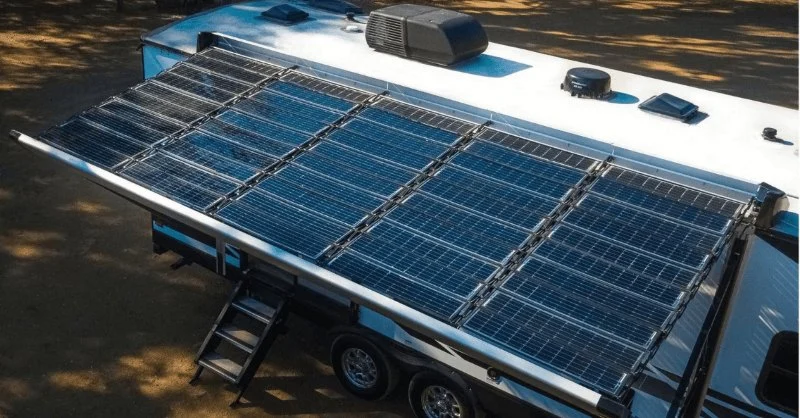
RV Solar Panel Kits: What Size Do You Need for Boondocking?
- 1 - Why Choose Solar Panels for Boondocking?
- 2 - Understanding RV Solar Panel Kits
- 3 - Factors to Consider When Choosing Solar Panels for Boondocking
- 4 - How to Calculate the Right Solar Panel Size for Your RV
- 5 - Top RV Solar Panel Kits for Boondocking
1 - Why Choose Solar Panels for Boondocking?
Boondocking, or camping off-grid without hookups, offers a unique and immersive experience. However, it also comes with challenges—mainly, how to power your RV without access to electricity. That’s where RV solar panel kits come into play. Using solar panels allows RVers to enjoy the freedom of boondocking while still having power for lights, devices, and appliances.
Willow Woods Mobile Home Park Office
West DeptfordGloucester CountyNew Jersey
1762 Crown Point Rd, West Deptford, NJ 08086, USA
1.1 The Appeal of Off-Grid RV Living
One of the main attractions of boondocking is the ability to explore remote areas without the constraints of crowded campgrounds or RV parks. Solar power allows you to operate your RV independently, ensuring a steady supply of electricity even in the most isolated locations.
Thousand Trails Sea Pines
CAPE MAY CHCape May CountyNew Jersey
1535 US-9 N, CAPE MAY CH, NJ 08210, USA
1.2 The Environmental Benefits
Solar power is also an environmentally friendly option. By harnessing the sun’s energy, you reduce your carbon footprint and reliance on fossil fuels. Solar energy is renewable and sustainable, making it the perfect choice for eco-conscious RVers.
2 - Understanding RV Solar Panel Kits
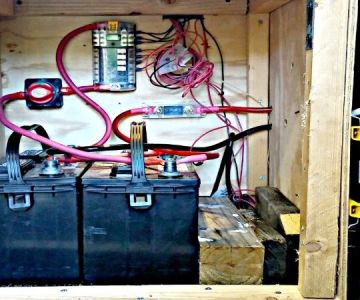
RV solar panel kits are essential for boondocking, allowing you to generate and store electricity from the sun. These kits usually include solar panels, charge controllers, batteries, and other accessories that work together to provide reliable off-grid power. But with so many options available, it’s important to understand how solar power systems work and what you need for your specific needs.
2.1 How Solar Panels Work in an RV
Solar panels collect sunlight and convert it into electricity. This electricity is then sent to a charge controller, which regulates the power before it is stored in a battery. From there, the stored energy powers your RV’s electrical system, including lights, fans, and appliances. The larger the battery bank and the more powerful the solar panel kit, the more energy you can store and use.
2.2 Types of Solar Panel Kits
There are various types of RV solar panel kits available, each offering different power capacities. Some kits include flexible solar panels, while others use traditional rigid panels. Additionally, you’ll find kits with different levels of power output to suit your energy needs. It’s important to choose the right type and size of panel to match your power consumption requirements.
3 - Factors to Consider When Choosing Solar Panels for Boondocking
Selecting the right solar panel kit for boondocking involves several considerations. The key factors include your energy consumption, the available roof space on your RV, and the typical weather conditions where you’ll be traveling.
3.1 Energy Consumption and Power Needs
Your energy needs will determine the size of the solar panel kit you require. Start by calculating the amount of power you typically use while off-grid, such as for lights, appliances, and electronics. For example, a small solar system might be sufficient for lighting and charging devices, but if you want to power larger appliances like an air conditioner, you’ll need a more robust system.
3.2 Roof Space and Panel Size
The size of your RV roof is an important consideration when choosing solar panels. Larger panels require more space, so it’s essential to ensure your roof can accommodate the panels you select. Some RV owners opt for multiple smaller panels, while others choose a few larger panels, depending on available space and power needs.
3.3 Weather and Location
The amount of sunlight your RV will receive depends on the time of year and geographic location. If you’re traveling in areas with frequent cloud cover or if you’re boondocking in northern latitudes with shorter days, you may need more solar panels or a more efficient setup to meet your power needs.
4 - How to Calculate the Right Solar Panel Size for Your RV
Determining the right size solar panel system for your RV is essential for ensuring you have enough power while boondocking. The process involves calculating your daily energy consumption and matching it with a solar system that can supply that amount of energy.
4.1 Estimate Your Daily Energy Usage
Start by calculating the power consumption of each device you plan to use in your RV. For example, LED lights typically consume about 10 watts each, while a refrigerator may use 200 watts. Add up the wattage of all your devices and estimate how many hours per day you’ll use them to calculate your total daily power usage in watt-hours (Wh).
4.2 Match Solar Panel Output to Your Needs
Once you know your daily power consumption, you can choose a solar panel kit with enough output to meet your needs. For example, if you use 1000Wh of energy per day, you’ll need a solar system that can generate at least that amount of power. This often means selecting panels that can generate 150-200 watts each, depending on the efficiency of the panels and the available sunlight.
4.3 Consider Battery Storage
In addition to the solar panels themselves, you’ll also need to consider battery storage. The larger the battery bank, the more energy you can store for use at night or during cloudy weather. It’s important to match the battery storage capacity with your energy usage to ensure you don’t run out of power.
5 - Top RV Solar Panel Kits for Boondocking
Now that you understand the factors involved in choosing a solar panel kit, here are some top-rated RV solar panel kits for boondocking, suitable for a range of power needs.
5.1 Renogy 400 Watt 12 Volt Solar RV Kit
The Renogy 400 Watt Solar RV Kit is an excellent choice for those who need a reliable and efficient system. It includes four 100W solar panels, a charge controller, and all the necessary wiring. This kit provides ample power for basic RV needs, including lights, appliances, and small electronics.
5.2 Goal Zero Yeti 1000X Solar Generator Kit
For those who want a more compact, portable option, the Goal Zero Yeti 1000X Solar Generator Kit is a great choice. It’s ideal for boondocking in remote locations, offering both solar panels and a battery backup to store energy for nighttime use. This kit can power larger devices such as a refrigerator or small air conditioning unit.
5.3 WindyNation 400 Watt Solar Panel Kit
The WindyNation 400 Watt Solar Panel Kit is perfect for RVers who need an affordable and easy-to-install system. It provides enough power for all basic RV needs and includes high-quality panels and a controller. This system is known for its durability and efficiency, making it a great option for boondocking.




 McGee Round Mountain Lodge0.0 (0 reviews)
 Tower Trailer Park3.0 (66 reviews)
 Chapman Manufactured Housing4.0 (106 reviews)
 Hidden Brook Estates4.0 (12 reviews)
 Indian Acres 3-3494.0 (46 reviews)
 Peconic River Campground4.0 (31 reviews)
 Why Winter is the Best Time for a Camping Cabin Getaway
 Best Remote Camping Cabins for Stargazing and Night Adventures in the U.S.
 The 10 Must-Have Amenities for a Comfortable Stay in Your Camping Cabin
 Winter Camping Cabins: How to Stay Cozy and Warm in the Cold
 How to Create the Ultimate Outdoor Experience with a Camping Cabin
 Best Camping Cabins with Stunning Views of National Parks and Forests