
- 1- Planning Your Eco-Friendly Camping Trip
- 2- Packing Sustainable Gear and Supplies
- 3- Minimizing Waste at the Campsite
- 4- Eco Cooking and Food Management Tips
- 5- Respecting Nature and Local Guidelines
- 6- Learning from Real Eco-Friendly Camping Experiences
- 7- Discover More Eco Camping Resources
1. Planning Your Eco-Friendly Camping Trip
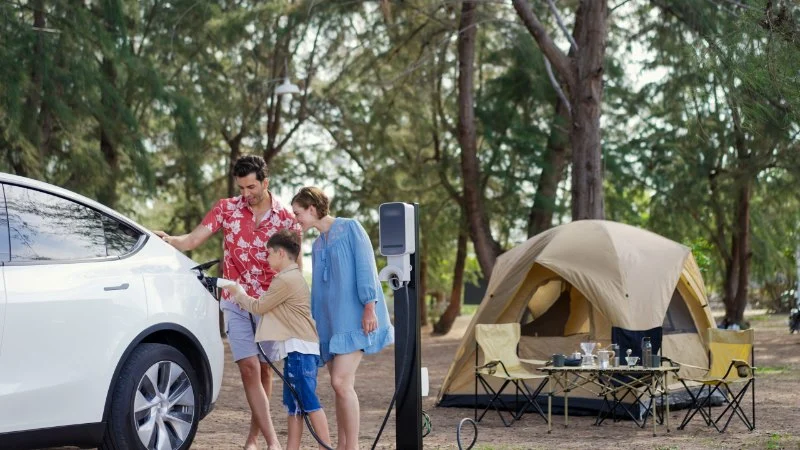
Start by selecting a campsite that supports sustainable practices. Many parks and campgrounds encourage eco-friendly initiatives such as recycling stations, composting, and responsible fire management. Planning ahead reduces unnecessary waste and ensures that your trip leaves minimal impact on the environment.

2. Packing Sustainable Gear and Supplies
Choose reusable, biodegradable, and low-impact gear. Items such as refillable water bottles, solar-powered lanterns, and compostable utensils help minimize single-use plastics. Packing efficiently also reduces the need for disposable items and keeps your campsite cleaner.

3. Minimizing Waste at the Campsite
Implement a “pack in, pack out” policy. Separate trash from recyclables and compostable items, and always remove all waste from your campsite. Use reusable containers for snacks and store leftovers properly. These small actions prevent litter and protect wildlife.
4. Eco Cooking and Food Management Tips
Opt for pre-prepared meals with minimal packaging, and consider cooking methods that reduce energy consumption, such as campfire cooking with efficient stoves or solar ovens. Plan meals to avoid over-purchasing and waste. Sharing tips among campers can also reduce environmental impact.
5. Respecting Nature and Local Guidelines
Always follow local park rules, stay on marked trails, and avoid disturbing plants and wildlife. Respecting nature preserves the ecosystem and ensures future visitors can enjoy the area. Encourage fellow campers to adopt the same responsible practices for collective impact.
6. Learning from Real Eco-Friendly Camping Experiences
Many outdoor enthusiasts share stories about reducing their footprint while camping. For instance, a family in Colorado used compostable cooking supplies and reusable tents during their summer trip, leaving the site cleaner than they found it. Real-life examples provide practical insights for integrating eco-friendly habits into your own trips.
7. Discover More Eco Camping Resources
For additional tips, tools, and sustainable camping gear, visit Camping Cabins. The site offers comprehensive resources to help campers minimize waste and make every trip eco-friendly. Explore expert advice, product recommendations, and step-by-step guidance to elevate your outdoor experience while protecting the environment.





 Belaire Estates3.0 (74 reviews)
 Oceanside Walk-In Campground4.0 (110 reviews)
 Singh Estates5.0 (1 reviews)
 Camp Loop B4.0 (1 reviews)
 Sea Pirate Campground4.0 (631 reviews)
 Back Country Camping-Tingles Island Campground5.0 (1 reviews)
 Why Winter is the Best Time for a Camping Cabin Getaway
 Best Remote Camping Cabins for Stargazing and Night Adventures in the U.S.
 The 10 Must-Have Amenities for a Comfortable Stay in Your Camping Cabin
 Winter Camping Cabins: How to Stay Cozy and Warm in the Cold
 Best Camping Cabins with Stunning Views of National Parks and Forests
 How to Create the Ultimate Outdoor Experience with a Camping Cabin