

- 1-Assessing-Your-Hiking-Skill-Level
- 2-Researching-Trail-Options
- 3-Considering-Distance-and-Elevation
- 4-Evaluating-Trail-Surface-and-Conditions
- 5-Safety-and-Preparation-Tips
- 6-Creating-Enjoyable-Hiking-Experiences
- 7-Why-Camping-Cabins-Can-Help
1. Assessing Your Hiking Skill Level
Before choosing a trail, it’s important to honestly assess your hiking experience, endurance, and physical fitness. Beginners may benefit from short, well-marked trails with minimal elevation gain, while experienced hikers can explore longer, more challenging routes. Understanding your limits ensures a safe and enjoyable outing.
One novice hiker shared that attempting a trail beyond their skill level resulted in fatigue and frustration, teaching them the importance of starting with manageable hikes. Gradually increasing difficulty builds confidence and endurance over time.

Princeton Beach Estates
Brick TownshipOcean CountyNew Jersey
50 Princeton Ave, Brick Township, NJ 08724, USA
2. Researching Trail Options
Researching potential hiking trails is essential for matching your abilities. Use online resources, guidebooks, and local hiking forums to gather information about trail length, difficulty ratings, and user reviews. Consider parks with multiple trail options so you can choose a route that suits your skill on any given day.
Many hikers recommend checking recent trail conditions, especially after storms or seasonal changes, to avoid unexpected obstacles. Gathering this information beforehand reduces surprises and ensures a smoother experience.

Pocono Mobile Home Park
Wilkes-BarreLuzerne CountyPennsylvania
740 Jumper Rd, Wilkes-Barre, PA 18702, USA
3. Considering Distance and Elevation
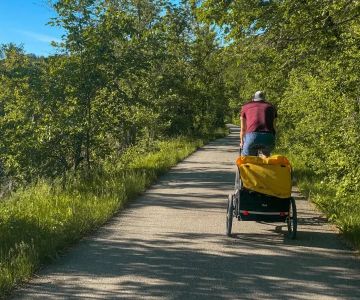
Distance and elevation gain are key factors in selecting a trail. Beginners should start with short loops or out-and-back trails under three miles with gentle inclines. Intermediate hikers may enjoy longer trails with moderate elevation changes, while advanced hikers often seek steep climbs and multi-mile routes.
One experienced hiker noted that planning hikes with gradual elevation increases allowed them to maintain stamina while enjoying scenic viewpoints without feeling exhausted.
4. Evaluating Trail Surface and Conditions
The trail surface can significantly impact the difficulty of a hike. Rocky, root-filled, or muddy paths require more balance and agility, while smooth, well-maintained paths are ideal for beginners. Pay attention to seasonal conditions like snow, ice, or rain, which can increase difficulty and risk.
Trail markers, signage, and maps also contribute to a safer experience. Choosing trails that are clearly marked helps hikers of all skill levels navigate confidently and avoid getting lost.
5. Safety and Preparation Tips
Preparation is key for a stress‑free hike. Bring water, snacks, first-aid supplies, and appropriate clothing for the weather. Inform someone about your hiking plan and estimated return time. For family or group hikes, ensure everyone is aware of the trail’s difficulty and carries essentials.
Experienced hikers emphasize pacing themselves, taking breaks, and listening to their bodies. Proper preparation and awareness prevent accidents and help make the experience enjoyable.
6. Creating Enjoyable Hiking Experiences
Choosing trails that match your skill level is not only about safety—it also ensures a fun, memorable outdoor adventure. Incorporate scenic stops, photography opportunities, and wildlife observation to enhance the experience. For families, select trails with interactive elements like streams or rock formations that engage children and keep them motivated.
Many hikers recall that a well-planned trail matching their abilities allowed them to fully appreciate nature without stress or exhaustion, turning a simple hike into a memorable outing.
7. Why Camping Cabins Can Help
For those looking to combine hiking with comfortable accommodations, Camping Cabins provides options near popular trails. Staying in a cabin reduces the stress of setting up tents and allows hikers to rest fully before and after their hike. These cabins also offer convenience, amenities, and easy access to local trails, making outdoor adventures more enjoyable and accessible for hikers of all skill levels.
Whether you’re a beginner or an experienced hiker, Camping Cabins ensures a convenient and comfortable base, enhancing your overall hiking experience.




 River Beach RV Resort4.0 (85 reviews)
 Pouch Camporee Field4.0 (70 reviews)
 Atlantic Shore Pines Campground- Jersey Shore Camping at its finest!4.0 (277 reviews)
 Mill Bridge Village & Camp Resort4.0 (384 reviews)
 Quite Lite0.0 (0 reviews)
 Naugatuck Pines5.0 (2 reviews)
 Why Winter is the Best Time for a Camping Cabin Getaway
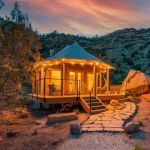 Best Remote Camping Cabins for Stargazing and Night Adventures in the U.S.
 The 10 Must-Have Amenities for a Comfortable Stay in Your Camping Cabin
 Winter Camping Cabins: How to Stay Cozy and Warm in the Cold
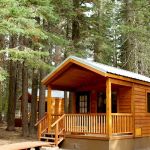 Best Camping Cabins with Stunning Views of National Parks and Forests
 How to Create the Ultimate Outdoor Experience with a Camping Cabin