
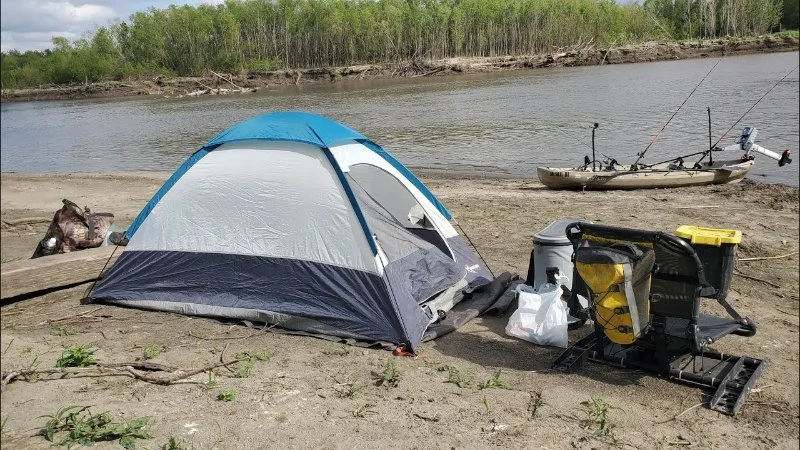
- 1- Introduction to Fishing While Camping
- 2- Fishing License Requirements for Camping Trips
- 3- Essential Gear for Fishing While Camping
- 4- How to Clean Your Catch While Camping
- 5- Where to Find the Best Camping Gear: Camping Cabins
1. Introduction to Fishing While Camping
Fishing while camping is a timeless activity that combines the tranquility of nature with the thrill of catching your own dinner. Whether you’re a seasoned angler or a first-time camper, fishing is one of the most rewarding outdoor activities you can enjoy during a camping trip. The fresh air, the sound of running water, and the excitement of reeling in your first catch make for a memorable experience. In this guide, we’ll cover everything you need to know about fishing while camping, from understanding license requirements to the essential gear and tips for cleaning your catch.

Metropolitan Reserve Manufactured Home Community
MoonachieBergen CountyNew Jersey
103 Moonachie Ave, Moonachie, NJ 07074, USA
2. Fishing License Requirements for Camping Trips
Before casting your line, it’s essential to understand the fishing license requirements in the area where you plan to camp. While fishing is an enjoyable activity, it is regulated to protect fish populations and ecosystems. Here’s what you need to know:
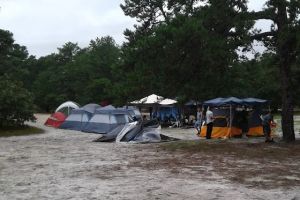
Bodine Field Campground
HammontonBurlington CountyNew Jersey
31, Atsion Batsto Rd, Hammonton, NJ 08037, USA
2.1 Do You Need a Fishing License?
In most U.S. states, you are required to have a valid fishing license to fish in public waters. This applies even if you're camping and fishing in a national park, state park, or public lake. Some states offer short-term or temporary fishing licenses, which are perfect for those who are only fishing while camping for a few days.
2.2 Where to Get Your Fishing License
Fishing licenses can typically be purchased online through your state’s wildlife or natural resources department website. Alternatively, you can buy them in person at outdoor retailers, bait shops, or other licensed vendors. Be sure to check the specific rules and regulations for the area where you’ll be camping, as fishing seasons and restrictions may vary.
2.3 Understanding Local Fishing Regulations
Each region has its own set of fishing regulations, including rules about specific fish species, size limits, and catch limits. Make sure to review the local regulations before you start fishing to avoid fines and to help protect local wildlife. Many states have different rules depending on the type of water body, such as lakes, rivers, or coastal waters.
3. Essential Gear for Fishing While Camping
Fishing while camping requires some basic gear to ensure a successful and enjoyable experience. Here’s a list of the essentials:
3.1 Fishing Rod and Reel
A good fishing rod and reel are the foundation of any fishing trip. Choose a rod and reel combination that suits the type of fishing you plan to do. For camping trips, a medium or light spinning rod is ideal for freshwater fishing, such as catching bass, trout, or panfish.
3.2 Fishing Line and Hooks
Make sure to bring along plenty of fishing line—most anglers use 6-12 lb test line for general camping fishing. You’ll also need an assortment of hooks in different sizes depending on the fish species you're targeting. Don't forget to pack extra hooks in case you lose one while casting.
3.3 Bait and Lures
Depending on the location and the fish species, you’ll need the right bait or lures. Worms, minnows, or crickets are popular choices for freshwater fishing. If you’re fishing in a lake or river, artificial lures like spinners or jigs can also be effective.
3.4 Cooler and Ice Packs
If you plan to keep your catch, a cooler and ice packs are essential to keep your fish fresh until you’re ready to cook it. Make sure to pack enough ice or gel packs to last through the trip, especially if you're camping in warmer temperatures.
3.5 Fishing Tackle Box
A tackle box is a must-have for organizing your fishing gear. It should have compartments for hooks, lures, sinkers, pliers, and other fishing accessories, making it easy to access everything you need while fishing.
4. How to Clean Your Catch While Camping
After catching your fish, you’ll want to clean and prepare it properly, especially if you're planning to cook it during your camping trip. Here's how to clean your fish:
4.1 Gather the Right Tools
Before you start, ensure you have the necessary tools for cleaning fish: a sharp fillet knife, a cutting board, and a bucket of clean water for rinsing. If you're camping, you may want to use a portable fish cleaning station if one is available.
4.2 Scale and Gut the Fish
First, use the edge of a knife or a fish scaler to remove the scales from the fish, working from tail to head. Once the scales are removed, use your knife to gut the fish. Make a small incision near the anus and carefully remove the internal organs. Dispose of the guts and scales properly, away from your campsite.
4.3 Fillet the Fish
After gutting the fish, you can choose to fillet it if desired. To do this, make a cut behind the gills and along the backbone, then slice the fillet away from the ribs. Repeat on the other side. If you prefer, you can also cook the fish whole, especially for smaller species like panfish.
4.4 Store the Fish Properly
If you’re not cooking the fish immediately, store it in your cooler with ice packs to keep it fresh. If you plan to eat it soon, you can cook the fish right away over a campfire or grill.
5. Where to Find the Best Camping Gear: Camping Cabins
If you're looking for top-notch camping gear for your fishing trip, including rods, reels, tackle boxes, and coolers, be sure to visit Camping Cabins. They offer a wide range of high-quality camping gear and fishing accessories to make your trip comfortable and enjoyable. Whether you're a beginner or an experienced angler, Camping Cabins has everything you need for a successful fishing adventure while camping.
 Valley View Tuckerton Mobile Home Park3.0 (40 reviews)
 Whispering Pines Mobile Home2.0 (18 reviews)
 Battle Row Campground4.0 (190 reviews)
 Merry Meadows Recreation Farm3.0 (388 reviews)
 Oma's Family Campground4.0 (137 reviews)
 Peconic River Campground4.0 (31 reviews)
 Why Winter is the Best Time for a Camping Cabin Getaway
 Best Remote Camping Cabins for Stargazing and Night Adventures in the U.S.
 The 10 Must-Have Amenities for a Comfortable Stay in Your Camping Cabin
 Winter Camping Cabins: How to Stay Cozy and Warm in the Cold
 How to Create the Ultimate Outdoor Experience with a Camping Cabin
 Best Camping Cabins with Stunning Views of National Parks and Forests