
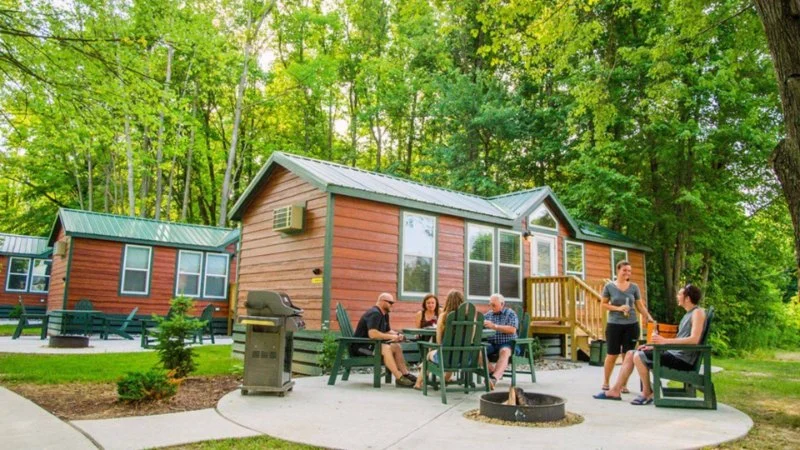
- trip-length-planning - Matching cabin types to short, medium, and long stays
- cabin-comfort-levels - How amenities change depending on adventure duration
- location-strategy - Choosing remote vs accessible cabins
- real-travel-experiences - Stories from different types of cabin trips
- budget-vs-duration - How trip length impacts cost decisions
- outdoor-adventure-fit - Aligning cabin choice with activities
Understanding Why Trip Length Changes Everything in Cabin Selection
When people first explore camping getaways, they often assume a cabin is just a cabin. But experienced travelers know that How to Choose a Camping Cabin Based on Your Desired Adventure Length completely changes the way you evaluate comfort, location, and even the style of experience you want. A one-night escape requires a very different setup than a week-long immersion in nature.
In the United States alone, cabin rentals range from minimalist wooden shelters in national forests to fully equipped lakeside lodges with kitchens, heating systems, and entertainment spaces. The key is understanding that your trip length directly determines how much infrastructure you actually need to stay comfortable and enjoy your time outdoors.

Short Camping Stays: Making the Most of Quick Escapes
Minimal Packing and High Mobility
For trips lasting one to two nights, simplicity becomes your biggest advantage. Short stays are usually about escaping city stress rather than deep immersion in nature. That means choosing cabins close to trails, lakes, or scenic viewpoints so you spend less time traveling and more time enjoying the environment.
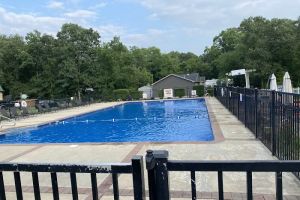
Butterfly Camping Resort
Jackson TownshipOcean CountyNew Jersey
360 Butterfly Rd, Jackson Township, NJ 08527, USA
Cabin Features That Matter Most
In short stays, you don’t need luxury amenities. Instead, focus on essentials like insulation, basic bedding, and easy access to parking. Many travelers actually prefer rustic cabins because they enhance the feeling of disconnecting quickly from urban life.
Real Traveler Example: Weekend Reset Trip
A couple from Seattle once booked a simple forest cabin just 90 minutes outside the city for a weekend reset. They intentionally avoided cabins with Wi-Fi or entertainment systems. The short duration made simplicity ideal—they spent their time hiking, cooking outdoors, and returning refreshed by Sunday evening without feeling overwhelmed by logistics.
Medium-Length Cabin Trips: The Balance Zone
Three to Five Day Stays and Comfort Planning
Medium trips are where planning becomes more important. You’re no longer just escaping—you’re living in the environment temporarily. This means comfort begins to matter more: kitchen access, heating or cooling systems, and storage space all become essential.
Location Becomes a Strategic Decision
At this stage, choosing between remote cabins and accessible ones depends on your goals. If hiking or fishing is your priority, remoteness enhances the experience. But if flexibility matters, staying closer to small towns ensures convenience for supplies and emergencies.
Family Trip Case Study: National Park Stay
A family visiting the Smoky Mountains booked a cabin for four nights. Initially, they underestimated how often they would need groceries and supplies. Fortunately, their cabin was within a 20-minute drive of a local town, which allowed them to adjust meals and extend day trips comfortably. This balance made the trip both adventurous and manageable.
For travelers exploring structured cabin options and planning resources, Camping Cabins offers curated insights into selecting stays based on duration, comfort level, and regional outdoor activities.
Long Cabin Vacations: Deep Immersion in Nature
Week-Long or Extended Stays Require Full Comfort
When your trip extends beyond five days, cabin selection becomes almost like choosing a temporary home. You need full amenities—kitchens, laundry access, reliable heating, and sometimes internet connectivity if remote work is involved.
Psychological Comfort and Routine Building
Long stays also require emotional comfort. Travelers begin to establish routines: morning coffee on the porch, evening walks, and structured meal planning. Cabins that support this rhythm create a much more satisfying long-term experience.
Real Story: Remote Lake Cabin Experience
A solo traveler spent ten days in a secluded lake cabin in northern Michigan. The first two days were about adjustment, but by mid-week, a rhythm developed—fishing in the morning, reading in the afternoon, and stargazing at night. The cabin’s isolation initially felt intense but ultimately became the highlight of the experience.
How Trip Length Influences Budget and Value
Short Stays and Cost Efficiency
Short trips often carry higher per-night costs because convenience is prioritized over long-term savings. However, they require fewer supplies and less planning, which balances overall expenses.
Medium Trips and Balanced Spending
Three to five day stays often offer the best value. You can justify better cabins without overcommitting financially, and you get enough time to fully experience the environment.
Long Trips and Investment Thinking
Extended stays require more upfront cost but often reduce daily expenses. Cooking at the cabin instead of dining out and avoiding repeated transportation costs makes long stays surprisingly efficient.
Matching Activities to Cabin Choice
Adventure-Focused Trips
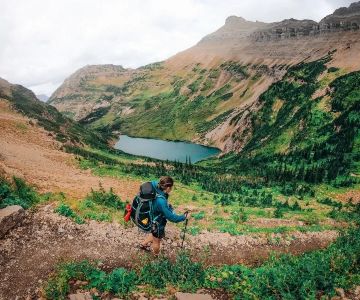
If your goal is hiking, kayaking, or mountain biking, prioritize cabins near trail systems. Trip length matters less than accessibility to activity zones.
Relaxation-Oriented Stays
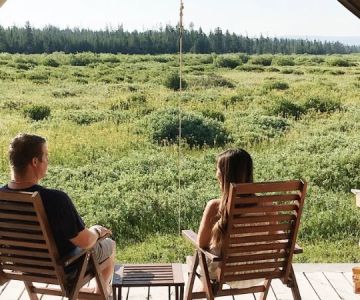
For relaxation-focused trips, especially longer ones, prioritize comfort features such as spacious interiors, scenic views, and quiet surroundings.
Hybrid Experiences
Many modern travelers want both activity and relaxation. In these cases, mid-length trips offer the most flexibility, allowing you to alternate between exploration and downtime.
Common Mistakes Travelers Make When Choosing Cabins
Overestimating or Underestimating Trip Needs
One of the most common errors is booking a cabin that is either too basic for long stays or too luxurious for short visits. Matching cabin style with trip length prevents discomfort and wasted resources.
Ignoring Seasonal Conditions
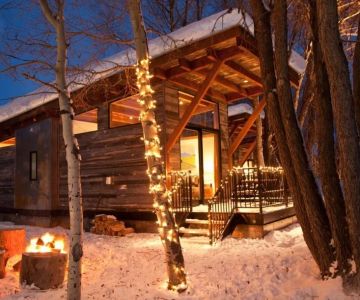
Weather plays a major role in cabin comfort. A cabin perfect for summer might feel inadequate in winter without proper heating systems.
Not Planning for Downtime
Many travelers overpack activities and forget that part of cabin life is relaxation. Especially in longer trips, downtime becomes essential for mental recovery.
Final Thought on Choosing the Right Cabin Experience
Understanding How to Choose a Camping Cabin Based on Your Desired Adventure Length transforms the way you plan outdoor travel. Instead of randomly booking a cabin, you begin to think strategically about time, comfort, and experience goals. Whether it’s a quick weekend reset or a week-long immersion in nature, the right cabin choice ensures the trip feels intentional rather than accidental.

 Brookside Mobile Estates4.0 (50 reviews)
 Butterfly Camping Resort4.0 (288 reviews)
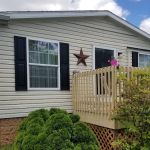 Deer Run3.0 (32 reviews)
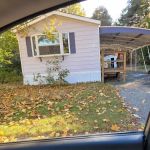 Maple Glen Mobile Home Park2.0 (24 reviews)
 Acorn Campground4.0 (180 reviews)
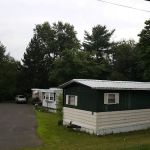 Friendly Mobile Park3.0 (8 reviews)
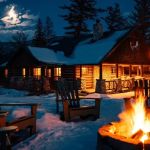 Why Winter is the Best Time for a Camping Cabin Getaway
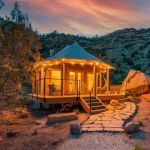 Best Remote Camping Cabins for Stargazing and Night Adventures in the U.S.
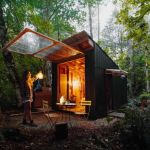 The 10 Must-Have Amenities for a Comfortable Stay in Your Camping Cabin
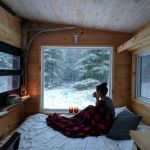 Winter Camping Cabins: How to Stay Cozy and Warm in the Cold
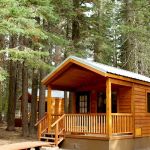 Best Camping Cabins with Stunning Views of National Parks and Forests
 How to Create the Ultimate Outdoor Experience with a Camping Cabin