
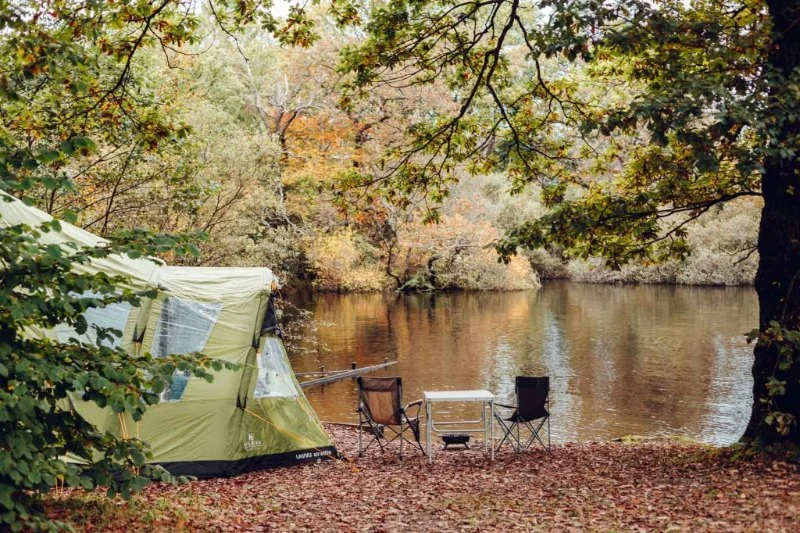
- - how to plan an eco-friendly trip to a remote camping cabin - sustainable travel design - low-impact outdoor lifestyle
- - eco-friendly packing and transportation strategies
- - remote cabin preparation and energy efficiency awareness
- - real traveler story in wilderness cabin environment
- - waste reduction and environmental responsibility techniques
- - choosing ethical cabin destinations and smart booking decisions
Understanding the Meaning of an Eco-Friendly Remote Cabin Experience
Traveling to a remote cabin is no longer just about escaping the city. It has become part of a larger cultural shift toward responsible tourism. When people search for how to plan an eco-friendly trip to a remote camping cabin, they are often trying to balance two desires: the need for solitude in nature and the responsibility of protecting that same environment.
Eco-friendly cabin travel is not defined by comfort alone. Instead, it is measured by how thoughtfully you interact with the land, how much waste you generate, and how carefully you manage resources like water and energy while staying in remote environments.
In many ways, staying in a remote cabin represents one of the purest forms of sustainable travel—if done correctly. The goal is not to leave no trace in theory, but to leave a space exactly as you found it, or even better.

Killens Pond State Park Campground Entrance
3015 Paradise Alley Rd, Harrington, DE 19952, USA
Core Principles of Sustainable Cabin Travel Planning
Before booking a cabin or packing your gear, it is important to understand the principles that guide eco-conscious outdoor travel. These principles are not strict rules but practical frameworks that help reduce environmental impact while improving your overall experience.

1. Minimize Resource Consumption
Remote cabins often rely on limited electricity, rainwater systems, or solar power. This means every action—charging a device, taking a shower, or cooking—has a visible impact. Planning ahead helps avoid unnecessary consumption.
2. Respect Local Ecosystems
Forests, mountains, and lakes surrounding remote cabins are often fragile ecosystems. Staying on designated paths and avoiding wildlife disturbance ensures these environments remain healthy for future visitors.
3. Reduce Waste Before You Travel
One of the most effective eco-friendly strategies begins before the trip even starts. Choosing reusable containers, avoiding single-use plastics, and planning meals carefully can dramatically reduce environmental strain.
Step-by-Step Planning for an Eco-Friendly Cabin Trip
A well-planned cabin trip is not just more sustainable—it is also more enjoyable. Preparation reduces stress, minimizes waste, and ensures that you can focus on nature instead of logistics.
Choosing the Right Cabin for Sustainability
Not all cabins are created equal. Some are designed with solar panels, composting toilets, and rainwater systems, while others rely heavily on external resources. Selecting a cabin with sustainable infrastructure is the first step toward responsible travel.
Platforms like Camping Cabins often help travelers find remote stays that align with environmental values, offering options that emphasize minimal impact design and nature integration.
Transportation Planning with Lower Carbon Impact
How you get to the cabin matters as much as your stay. Carpooling, using fuel-efficient vehicles, or combining trips can significantly reduce your carbon footprint. Some travelers even choose public transit followed by short hikes to reach remote locations.
Packing with Purpose Instead of Excess
Packing light is not just about convenience—it is about sustainability. The less you carry, the less energy is required for transportation, and the easier it becomes to manage waste responsibly.
Eco-Friendly Packing Strategy for Remote Cabin Travel
Packing for a remote cabin requires a different mindset than traditional vacations. Every item should serve a clear purpose, ideally with multiple uses.
Reusable Essentials for Daily Living
Reusable bottles, metal utensils, and washable food containers significantly reduce waste. In remote areas, waste disposal systems may be limited, so minimizing trash at the source is critical.
Energy-Conscious Gear Selection
Solar-powered chargers, LED headlamps, and low-energy cooking equipment help reduce dependency on cabin power systems. These tools also provide flexibility in off-grid conditions.
Eco-Friendly Food Planning
Pre-planned meals reduce food waste and avoid unnecessary packaging. Choosing local or minimally processed foods also lowers environmental impact while enhancing the authenticity of your outdoor experience.
Real Story: A Remote Cabin Trip That Changed a Traveler’s Perspective
A group of friends from Oregon once planned a weekend escape to a remote forest cabin in the Pacific Northwest. Initially, their focus was purely recreational—disconnecting from work and enjoying nature. However, the experience quickly evolved into something more meaningful.
Upon arrival, they discovered the cabin relied entirely on solar power and a rainwater collection system. At first, they treated resources casually, leaving lights on and overusing water. By the second day, however, they began to notice how quickly systems responded to their behavior.
One evening, after realizing they had nearly drained the cabin’s battery storage due to unnecessary device charging, they collectively decided to change their habits. They started cooking together, limiting screen time, and using natural light as much as possible.
By the end of the trip, they described the experience as “not just a getaway, but a reset in how we understand consumption.” This shift is exactly what eco-friendly cabin travel aims to encourage.
Managing Waste and Environmental Responsibility in Remote Settings
Waste management is one of the most important aspects of sustainable cabin travel. In remote environments, improper disposal can have long-lasting consequences.
Carry-In, Carry-Out Philosophy
Everything brought into a remote cabin should ideally leave with you unless proper disposal systems exist. This includes packaging, food waste, and even biodegradable materials.
Composting and Organic Waste Handling
Some eco-cabins provide composting systems. Understanding how to use them properly ensures organic waste is safely reintegrated into the environment.
Avoiding Hidden Waste Sources
Many travelers overlook micro-waste, such as wipes, wrappers, or small packaging. These items accumulate quickly and can damage natural surroundings if not managed carefully.
Energy Awareness in Off-Grid Cabin Living
Energy usage is often the most noticeable adjustment for travelers in remote cabins. Unlike hotels or urban rentals, power is limited and must be treated as a shared resource.
Solar Dependency and Natural Energy Cycles
Many cabins rely on solar energy, which fluctuates depending on weather conditions. Cloudy days naturally limit available power, encouraging more mindful usage.
Heat and Lighting Efficiency
Using blankets instead of heaters or candles instead of electric lighting when appropriate helps maintain energy balance without sacrificing comfort.
Digital Detox as a Side Effect of Sustainability
Interestingly, reduced energy availability often leads to less screen time. Many travelers report improved mental clarity and deeper connection with nature as a result.
Choosing Ethical and Environmentally Responsible Cabin Destinations
Not all remote cabins prioritize sustainability equally. Choosing the right destination requires attention to construction materials, energy systems, and environmental policies.
Eco-Certified Cabin Properties
Some cabins are certified for sustainable practices, including energy efficiency, water conservation, and minimal environmental disruption during construction.
Community-Driven Cabin Projects
Locally operated cabin stays often reinvest in conservation efforts and community development, making them a strong choice for responsible travelers.
Nature-Integrated Design Philosophy
The best eco-cabins are designed to blend into their surroundings rather than dominate them, using natural materials and minimal land alteration.
Why Eco-Friendly Cabin Trips Are Becoming More Popular
The rise in interest around sustainable travel reflects a broader cultural shift. Travelers are no longer satisfied with passive vacations—they want meaningful, low-impact experiences that align with environmental values.
Remote cabin trips offer a rare combination of simplicity, immersion, and responsibility. They allow people to disconnect from urban life while reconnecting with natural systems in a conscious way.
As more travelers explore options through Camping Cabins, eco-friendly travel is becoming less of a niche idea and more of a mainstream expectation.
Building Long-Term Habits from a Single Cabin Experience
Perhaps the most powerful outcome of an eco-friendly cabin trip is not the trip itself, but the habits it inspires afterward. Many travelers find themselves more conscious of energy use, waste production, and consumption patterns long after returning home.
This shift does not require dramatic lifestyle changes. Instead, it begins with small adjustments inspired by time spent in nature—turning off unused lights, reducing plastic use, and valuing simplicity over excess.




 Woodlands Camping Resort4.0 (208 reviews)
 Hi-Point Mobile Home Park, by Valley Community Management4.0 (12 reviews)
 Alpine Village Inc3.0 (19 reviews)
 Thundergust Lake Cabin Area4.0 (47 reviews)
 Deubler's Mobile Homes3.0 (20 reviews)
 Winterset Farms4.0 (109 reviews)
 Why Winter is the Best Time for a Camping Cabin Getaway
 Best Remote Camping Cabins for Stargazing and Night Adventures in the U.S.
 The 10 Must-Have Amenities for a Comfortable Stay in Your Camping Cabin
 Winter Camping Cabins: How to Stay Cozy and Warm in the Cold
 Best Camping Cabins with Stunning Views of National Parks and Forests
 How to Create the Ultimate Outdoor Experience with a Camping Cabin