

- Overview of a Flexible Camping Trip Itinerary
- Planning Your Camping Trip for Flexibility
- Key Elements to Include in Your Itinerary
- How to Choose Activities for Your Flexible Camping Trip
- Choosing the Right Camping Accommodation
Overview of a Flexible Camping Trip Itinerary
When planning a camping trip, one of the most important aspects is creating an itinerary. While some prefer detailed and structured plans, others enjoy the freedom of a flexible approach. A flexible camping trip itinerary allows you to enjoy the beauty of nature while leaving room for spontaneity and relaxation. Whether you’re a seasoned camper or a first-timer, understanding how to balance structure and flexibility in your itinerary will make your outdoor experience even more enjoyable.
In this article, we’ll guide you through the process of planning a flexible camping itinerary that suits your preferences and lifestyle. From selecting activities to choosing accommodations, you’ll learn how to ensure your camping trip is both organized and adaptable to changes. And by the end of it, you’ll be ready to embark on your next adventure with confidence and excitement.
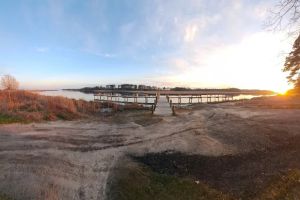
Planning Your Camping Trip for Flexibility
Before setting off on your camping trip, it’s essential to have a rough idea of where you want to go and what you want to do. However, with a flexible itinerary, you don’t need to stick to a rigid schedule. Here’s how to get started with your planning:

Philadelphia South / Clarksboro KOA Holiday
East Greenwich TownshipGloucester CountyNew Jersey
117 Timberlane Rd, Clarksboro, NJ 08020, USA
1. Choose a Destination with Multiple Options
The first step in creating a flexible camping itinerary is choosing a destination that offers a variety of activities and options. For example, national parks or state parks are great choices because they typically have hiking trails, lakes for water activities, and areas for relaxing by the campfire. By selecting a versatile location, you leave yourself open to different activities based on the weather or your mood during the trip.
2. Keep Travel Time Flexible
When it comes to travel, flexibility is key. While you may have a general idea of how long you want to spend getting to your campsite, allowing some extra time for scenic stops, rest breaks, or unexpected detours can make your trip more enjoyable. Having a bit of flexibility in your travel schedule lets you explore areas along the way that you may not have initially planned on visiting.
3. Don’t Over-Schedule
One of the benefits of a flexible itinerary is that you don’t need to over-schedule yourself. Instead of booking every day packed with activities, leave room for impromptu adventures. You may find a great hiking trail, or decide to spend the afternoon relaxing by the lake. Don’t feel pressured to stick to a packed schedule—let the journey guide you!
Key Elements to Include in Your Itinerary
While flexibility is important, there are certain key elements you should include in your camping itinerary to ensure everything runs smoothly:
1. Basic Dates and Duration
Start by establishing the duration of your camping trip. Decide on the dates you will be leaving and returning, but keep the specific itinerary details open. Having a timeframe gives you enough structure without forcing you to stick to a strict plan.
2. Campsite Reservations (If Needed)
If you're heading to a popular camping area, reservations may be required. Make sure to reserve a campsite ahead of time if needed, but avoid booking every single night if you plan on visiting different areas. This way, if you decide to stay longer in one location, you won’t have to worry about losing a spot.
3. Pack a Flexible Gear List
To ensure that you're prepared for anything, pack a gear list that covers a range of activities. Bring equipment for both relaxation and adventure—things like a hammock for a lazy afternoon and a kayak or fishing rod for a more active experience. Your packing should reflect the variety of possibilities that your flexible itinerary allows.
How to Choose Activities for Your Flexible Camping Trip
Choosing activities for your trip is essential, but with flexibility in mind, your activity list should allow for both planned and spontaneous experiences. Here are some tips on how to choose activities:
1. Nature Walks and Hiking Trails
Hiking is a great way to explore your surroundings, and most campgrounds offer a variety of trails. Research some popular hikes beforehand, but be sure to leave room for discovery. You might stumble upon a lesser-known trail that’s just as beautiful as the more popular ones!
2. Water Activities
If your campsite is near a lake or river, consider adding water activities to your itinerary. Swimming, kayaking, or fishing can provide an enjoyable break from hiking. Be flexible with these activities—you might find that the weather is perfect for a dip in the lake, or the river’s flow is ideal for kayaking.
3. Campfire Evenings
One of the best parts of camping is the evening campfire. Keep this as a core part of your itinerary, but don’t feel tied to a particular time. Whether you start the fire after dinner or decide to wait until later in the evening, having a flexible approach lets you enjoy the atmosphere of the campsite without rushing.
Choosing the Right Camping Accommodation
The type of accommodation you choose for your trip will play a significant role in how flexible your itinerary can be. Consider these options:
1. Tent Camping
If you’re looking for the most flexible option, tent camping is the way to go. It allows you to change your campsite location more easily if you find a better spot. Whether you’re roughing it or using a more comfortable tent setup, this is the perfect option for a flexible camping experience.
2. Glamping
If you want a more comfortable stay but still want to maintain flexibility, consider glamping. Many sites offer luxury tents or cabins that come with amenities like comfortable beds, electricity, and even air conditioning. You can enjoy a bit of luxury while still having the freedom to explore your surroundings.
3. Camping Cabins
If you want a mix of comfort and adventure, camping cabins are a great option. Many parks and campgrounds offer cabin rentals, which provide shelter and basic amenities while allowing you to be close to nature. These can provide a little more comfort in case the weather changes, but they also give you flexibility in your outdoor activities.
Conclusion
Planning a flexible camping trip itinerary doesn’t mean you have to sacrifice the excitement of exploration. With some thoughtful preparation and the right mindset, you can enjoy the adventure of camping while still leaving room for spontaneity. So, pack your gear, prepare for the unexpected, and embrace the beauty of nature at your own pace. If you're looking for the perfect camping accommodations, visit Camping Cabins to find your ideal campsite.



 The Hornets Nest5.0 (2 reviews)
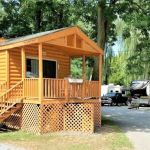 Mill Bridge Village & Camp Resort4.0 (384 reviews)
 Ba Mar Manufactured Home Community4.0 (29 reviews)
 Lakeside3.0 (23 reviews)
 Bunk Haus Lodging & RV Park4.0 (79 reviews)
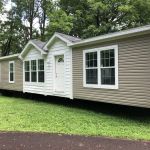 Green Top Manufactured Home Community3.0 (29 reviews)
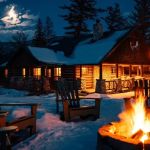 Why Winter is the Best Time for a Camping Cabin Getaway
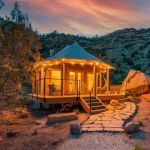 Best Remote Camping Cabins for Stargazing and Night Adventures in the U.S.
 The 10 Must-Have Amenities for a Comfortable Stay in Your Camping Cabin
 Winter Camping Cabins: How to Stay Cozy and Warm in the Cold
 How to Create the Ultimate Outdoor Experience with a Camping Cabin
 Best Camping Cabins with Stunning Views of National Parks and Forests