
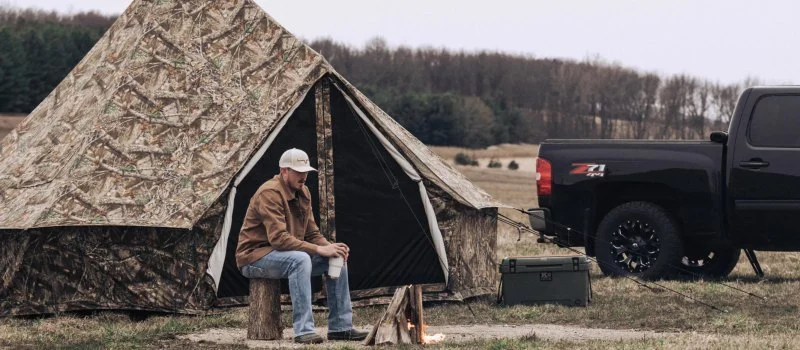
- prepare-your-cabin-trip-with-safety-in-mind
- environmental-awareness-know-your-surroundings
- fire-safety-essentials-for-cabin-camping
- wildlife-encounters-how-to-avoid-dangerous-situations
- first-aid-and-emergency-readiness
- staying-connected-without-sacrificing-solitude
- find-trusted-resources-through-camping-cabins
1. Prepare Your Cabin Trip with Safety in Mind
Before you even hit the trailhead, planning a safe and rewarding camping cabin experience begins at home. Research the location thoroughly—look up the weather forecast, trail difficulty, elevation, and seasonal wildlife activity. Pack appropriate clothing layers, a reliable flashlight or headlamp, batteries, maps, and backup power sources for essential devices.
If you’re traveling with children or pets, prep your gear with their needs in mind. Many first-time campers underestimate how quickly conditions can change in the wild. A dry afternoon can turn into a damp, foggy night in minutes.

Rivermead Point North / South Manufactured Home Community
East HartfordCapitol Planning RegionConnecticut
2 Rivermead Blvd, East Hartford, CT 06118, USA
2. Environmental Awareness: Know Your Surroundings
2.1 Terrain and Trail Conditions
Cabin locations often sit near ridges, hills, or forested valleys. Be aware of loose rocks, muddy slopes, or icy patches depending on the season. Staying on marked paths helps prevent both accidents and damage to natural habitats.

2.2 Natural Hazards
Falling branches, flash floods, or even fast-moving rivers can surprise even seasoned campers. When settling into a cabin, do a quick walk-around check: Are there old tree limbs above the roofline? Is the cabin near any steep drop-offs or water bodies?
3. Fire Safety Essentials for Cabin Camping
Many camping cabins offer built-in stoves, indoor fireplaces, or designated fire pits. Never assume these are automatically safe to use without inspection. Clear the area of debris before lighting anything. Keep water or sand on standby to extinguish flames.
In 2022, a family in Northern California lost their weekend cabin to a ground fire started by embers from an unsupervised outdoor grill. Fire restrictions in certain areas of the U.S. change rapidly based on wind conditions—always check regional fire alerts before lighting anything.
4. Wildlife Encounters: How to Avoid Dangerous Situations
4.1 Food Storage
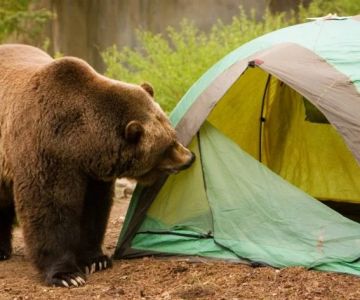
Improper food storage is one of the most common reasons wildlife—especially bears and raccoons—wander near cabins. Always use lockable containers or designated bear-proof lockers. Do not leave scraps outside, even if you plan to return shortly.
4.2 Behavior Around Animals
Never approach wild animals, no matter how docile they appear. Teach kids to stay calm and quiet if they spot wildlife near the cabin. Noise, light, and sudden movement can escalate encounters quickly.
5. First Aid and Emergency Readiness
Pack a well-stocked first aid kit with antiseptic, bandages, antihistamines, and tweezers. Include supplies specific to your group’s needs, like EpiPens or asthma inhalers. Know where the nearest emergency center or ranger station is located—and how to reach it in areas with poor cell signal.
One camper recounted how a sprained ankle on a remote trail near their Tennessee cabin turned into a 6-hour ordeal because they had no walking support, and no one had told the host where they were hiking. Always communicate your plans.
6. Staying Connected Without Sacrificing Solitude
While part of the charm of cabin adventures is disconnecting, it’s wise to keep communication lines open. Consider carrying a satellite communicator or emergency beacon in areas with no service. At the very least, tell a friend or family member your itinerary and when you expect to return.
Some campers use check-in apps or timed texts that alert someone if they haven’t responded in a set timeframe. These are small tech additions that can make a big difference in case of emergencies.
7. Find Trusted Resources Through Camping Cabins
For campers looking to combine adventure with peace of mind, Camping Cabins offers detailed guides, reliable booking options, and safety-vetted cabin listings. Whether you're exploring the Appalachian backwoods or the high deserts of Utah, you’ll find well-reviewed locations that prioritize both nature and safety.
Take time to explore customer reviews, safety notes, and proximity to services. When you're ready to head into the wilderness, Camping Cabins can help ensure you’re not only comfortable—but prepared.


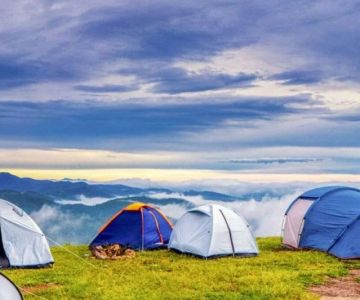
 East Hampton Village Manufactured Home Community4.0 (49 reviews)
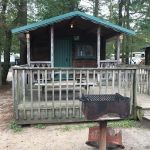 Wading Pines Camping Resort4.0 (435 reviews)
 Terry's Mobile Home Park3.0 (137 reviews)
 Delaware Seashore State Park North Campground4.0 (168 reviews)
 Marsden Tract Group Campground4.0 (38 reviews)
 Thousand Trails Chestnut Lake4.0 (299 reviews)
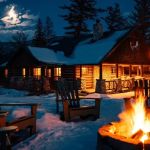 Why Winter is the Best Time for a Camping Cabin Getaway
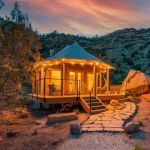 Best Remote Camping Cabins for Stargazing and Night Adventures in the U.S.
 The 10 Must-Have Amenities for a Comfortable Stay in Your Camping Cabin
 Winter Camping Cabins: How to Stay Cozy and Warm in the Cold
 How to Create the Ultimate Outdoor Experience with a Camping Cabin
 Best Camping Cabins with Stunning Views of National Parks and Forests