
Ticks Around Camping Cabins: Build a Daily Check Routine
Table of contents
Quick answer
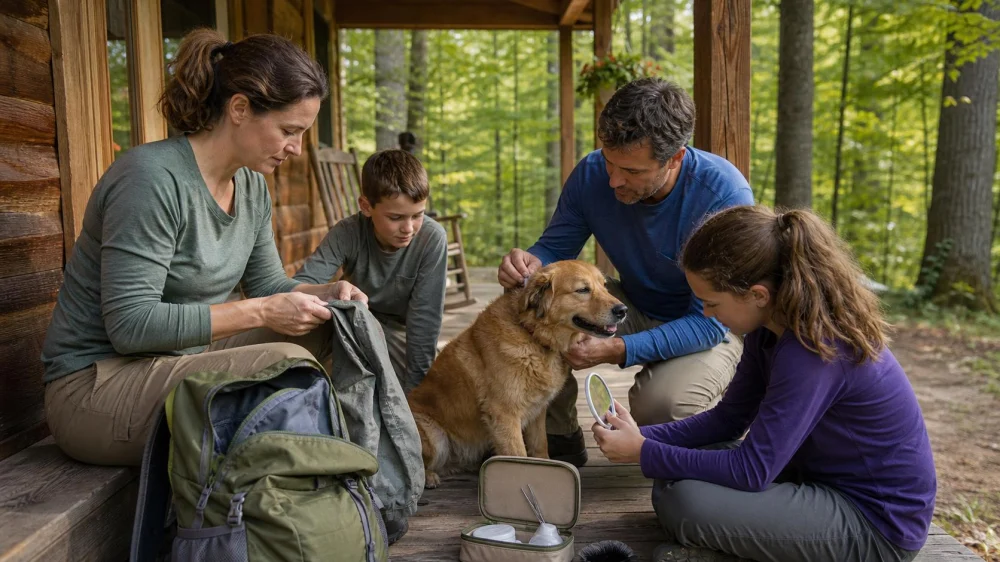
Ticks live in grassy, brushy, and wooded areas around many camping cabins. Use an EPA-registered repellent as directed, stay on clear paths, and treat clothing or gear with permethrin only according to the label. After outdoor time, check clothing, people, gear, and pets; shower soon; and remove attached ticks promptly with fine-tipped tweezers.
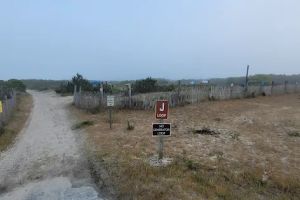
J Loop Tent Sites Entrance Foot Path
BerlinWorcester CountyMaryland
6708 Ocean Dr, Berlin, MD 00152, USA
Before going outdoors
- Check local park and public-health information for tick activity and disease patterns.
- Wear long sleeves and long trousers where practical; light colours make crawling ticks easier to see.
- Use an EPA-registered skin repellent that fits the user’s age and needs, following every label direction.
- Use 0.5% permethrin only on clothing and gear as directed, never directly on skin.
- Walk near the centre of maintained trails and avoid brushing against tall grass and leaf litter.
- Ask a veterinarian about an appropriate tick-prevention product for dogs; never apply a dog product to a cat.
Return-to-cabin routine
- Check clothing outside the sleeping area. Remove visible ticks and keep worn items away from beds and soft furnishings.
- Examine gear and pets. Ticks can ride inside on packs, coats, and animals.
- Use heat correctly. CDC advises tumble-drying dry clothing on high heat for 10 minutes; damp clothing may need more time. Follow fabric labels and cabin appliance rules.
- Shower soon. Showering within two hours may wash off unattached ticks and creates an opportunity for a full check.
- Check the whole body. Include hair, ears, underarms, waist, navel, groin, and behind knees. Adults should help children check hard-to-see areas.
Remove an attached tick
Use clean fine-tipped tweezers to grasp the tick as close to the skin as possible. Pull upward with steady, even pressure without twisting or crushing it. Clean the bite area and hands with soap and water or an appropriate antiseptic. Do not burn the tick, paint it with nail polish, or smother it with petroleum jelly.
Record the date and location of the bite. Follow local health guidance on disposal or identification; do not delay removal just to save the tick.

eastwood mobile home park | groton, ct 06340
GrotonSoutheastern Connecticut Planning RegionConnecticut
301 Buddington Rd, Groton, CT 06340, USA
Watch for symptoms
Contact a healthcare professional if fever, rash, headache, unusual fatigue, muscle or joint pain, facial weakness, or other concerning symptoms develop after a tick bite. Tell them when and where exposure occurred. Seek urgent care for severe illness, breathing trouble, confusion, fainting, or rapidly worsening symptoms.
Limitations
Not every tick carries disease, and the absence of a remembered bite or classic rash does not exclude infection. Risk varies by tick species, geography, season, attachment duration, and traveller health. Online advice cannot determine whether preventive medication or testing is appropriate; a clinician must apply current local guidance.
FAQ
Are ticks only active in summer?
Exposure can occur year-round, though activity often rises in warmer months. Check local conditions.
Can I spray the cabin or yard myself?
Do not apply pesticides on property you do not own. Ask the operator about pest management and follow label and site rules.
Will a shower remove an attached tick?
It may wash off unattached ticks, but an attached tick needs prompt mechanical removal.
Should I test the tick?
Testing recommendations vary and results may not guide treatment. Ask local public health or a clinician.
Sources and evidence notes
- CDC: Preventing Tick Bites — repellent, clothing, showering, dryer, body-check, gear, and pet guidance.
- CDC: Preventing Lyme Disease — exposure reduction, checks, and prompt removal.
Next steps
Pack labelled repellent and fine-tipped tweezers, ask the cabin operator about laundry and pet rules, and make tick checks part of every return from the trail. Record any bite and contact a clinician if symptoms follow.


 Camelot Village3.0 (23 reviews)
 Endeavor Point4.0 (77 reviews)
 Kellys Trailer Park Court3.0 (3 reviews)
 Hillside Estates At Franklin3.0 (27 reviews)
 Greenbelt Campground4.0 (186 reviews)
 Ocean Isle Campground4.0 (102 reviews)
 Why Winter is the Best Time for a Camping Cabin Getaway
 Best Remote Camping Cabins for Stargazing and Night Adventures in the U.S.
 The 10 Must-Have Amenities for a Comfortable Stay in Your Camping Cabin
 Winter Camping Cabins: How to Stay Cozy and Warm in the Cold
 Best Camping Cabins with Stunning Views of National Parks and Forests
 How to Create the Ultimate Outdoor Experience with a Camping Cabin