
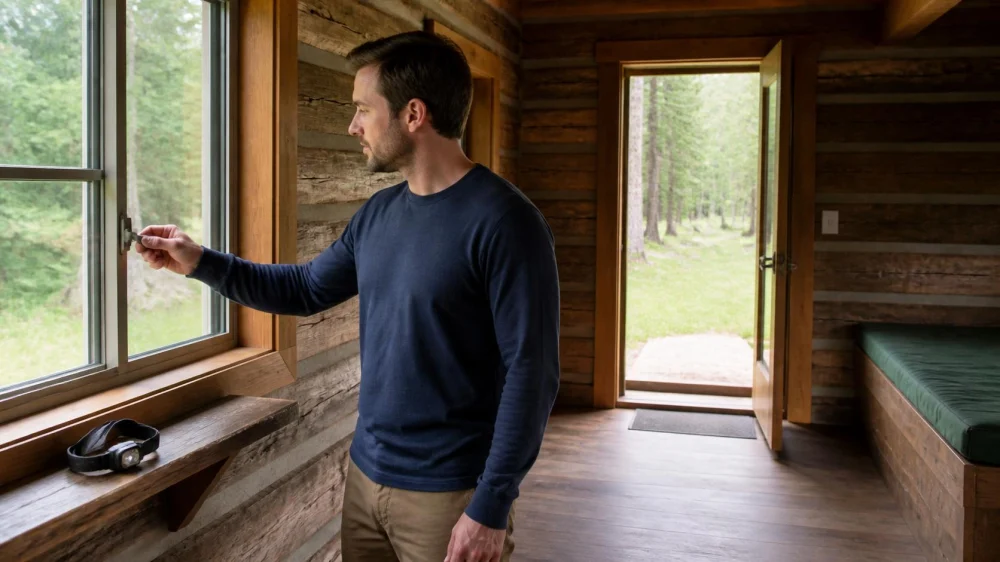
Camping Cabin Doors and Windows: Check Before Bed
On this page
Quick answer
Check every permitted cabin door and window before dark: confirm it opens, closes, latches, and can serve its intended safety or ventilation role without forcing. Identify the primary exit and any designated emergency escape, report broken hardware, and keep routes clear of bags and furniture. Never add a lock or block an exit in a way that traps occupants.

Highland Bluff Manufactured Home Community
BranfordSouth Central Connecticut Planning RegionConnecticut
143 N Ivy St, Branford, CT 06405, USA
Why door and window checks are more than security
Cabin doors and windows manage entry, weather, ventilation, insects, wildlife, and emergency escape. A latch that feels inconvenient may also affect egress, while a screen is not a security barrier. Rental rules and building design determine which openings occupants may use, so the goal is to verify normal operation and report defects rather than modify the structure.
This guide is for campers using managed cabins in the United States. It does not replace host instructions, fire plans, accessibility requirements, or local codes. Historic, seasonal, off-grid, and sleeping-loft cabins may have different hardware and escape arrangements that require direct confirmation before booking or arrival.
Pocono Mobile Home Park
Wilkes-BarreLuzerne CountyPennsylvania
740 Jumper Rd, Wilkes-Barre, PA 18702, USA
Practical checklist
- The host's arrival instructions, key or code process, quiet hours, emergency contacts, fire plan, and rules for doors, windows, screens, and ventilation.
- The main entrance opening and latching normally from inside and outside without unusual force, sticking, or a key needed to escape.
- Any designated secondary exit or emergency escape opening, its route, clearance, height, and whether all occupants can use it.
- Window operation, stops, screens, cracked glass, sharp edges, missing hardware, water entry, and child or fall risk.
- Door closers, thresholds, steps, handrails, porch lighting, weather exposure, and access needs for each occupant.
- Bags, coolers, shoes, furniture, pet equipment, and charging cables placed away from exits and walking routes.
- A meeting point outside plus headlamps or torches stored where they can be found in darkness without blocking egress.
Step-by-step plan
- Walk the arrival route in daylight when possible. Locate the main exit, designated emergency option, alarm locations, extinguisher if provided, and outside meeting point.
- Test normal door operation once without slamming or forcing. Confirm the inside release works and that a deadbolt, bar, or chain does not conflict with host or fire instructions.
- Open permitted windows gently and confirm they remain secure in allowed positions. Do not defeat stops, remove screens, or lean on a screen.
- Photograph and report a broken lock, cracked pane, sharp edge, missing screen, blocked exit, water entry, or inaccessible release before unpacking around it.
- Move luggage and furniture out of the path and keep keys, lighting, shoes, and essential mobility aids in consistent reachable places.
- Use windows for ventilation only as conditions and host guidance allow. Close openings when rain, smoke, wildlife, security, cold, or evacuation instructions require it.
- Before sleep and departure, perform a quick headcount and route check; do not lock occupants in, leave a key hidden outside contrary to rules, or improvise hardware.
Save arrival photos, defect messages, host responses, temporary instructions, and the time a repair was requested. Do not publicly share active entry codes, key locations, exact occupancy, or a vulnerable window. At checkout, confirm key handoff and report any change in operation.
Limits and important notes
Do not tighten, remove, lubricate, tape, brace, or replace rental hardware without permission. A window screen does not prevent a fall or entry. A door that closes does not prove it latches reliably, and security advice must not override rapid emergency egress. Never block a fire door or use a portable heater, cord, or furniture in an exit route.
Contact the host or land manager immediately for an exit that will not open, a door that cannot secure, broken glass, unsafe fall exposure, electrical damage, active water entry, smoke, or an occupied cabin that lacks the promised safe access. Leave and use emergency services for fire, gas or CO alarm, structural danger, intruder threat, or another immediate hazard.
Frequently asked questions
Should I add a portable door lock?
Only if the host permits it and it cannot delay emergency escape or damage the door. Never trap another occupant or defeat required hardware.
Can a window screen prevent a child from falling?
No. Screens are primarily for insects. Use active supervision and approved safety features without altering rental property.
What if a door sticks but eventually opens?
Report it promptly and request instructions or another cabin. An emergency exit should not depend on repeated force.
Should windows stay open overnight?
Follow weather, smoke, wildlife, security, and host guidance. Use only openings designed and permitted for ventilation.
Where should keys be kept?
Use one reachable location known to responsible occupants, while following host rules and protecting codes and keys from loss or unauthorised access.
Sources and evidence
Use the cabin host's current instructions, posted fire and emergency plan, land-manager alerts, and applicable building and fire requirements. General lodging safety supports operable exits, clear routes, protected entry credentials, and reporting rather than altering damaged hardware.
Conclusion and next steps
Do the check before gear fills the room: open, close, latch, identify escape, and report defects. Keep the overnight path simple and lit, protect entry information, and make sure every occupant can leave without finding a tool or moving furniture. A cabin that cannot provide safe egress or security needs host action, not an improvised fix.


 Amelia Beach4.0 (14 reviews)
 Lake Fairfax Park Campground4.0 (142 reviews)
 Grove Beach4.0 (6 reviews)
 Woodlynne Trailer Park3.0 (43 reviews)
 Urban Acres4.0 (18 reviews)
 Bayshore Campgrounds4.0 (289 reviews)
 Why Winter is the Best Time for a Camping Cabin Getaway
 Best Remote Camping Cabins for Stargazing and Night Adventures in the U.S.
 The 10 Must-Have Amenities for a Comfortable Stay in Your Camping Cabin
 Winter Camping Cabins: How to Stay Cozy and Warm in the Cold
 Best Camping Cabins with Stunning Views of National Parks and Forests
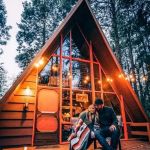 How to Create the Ultimate Outdoor Experience with a Camping Cabin