
Camping Cabin Food Storage and Wildlife Safety
On this page
Quick answer
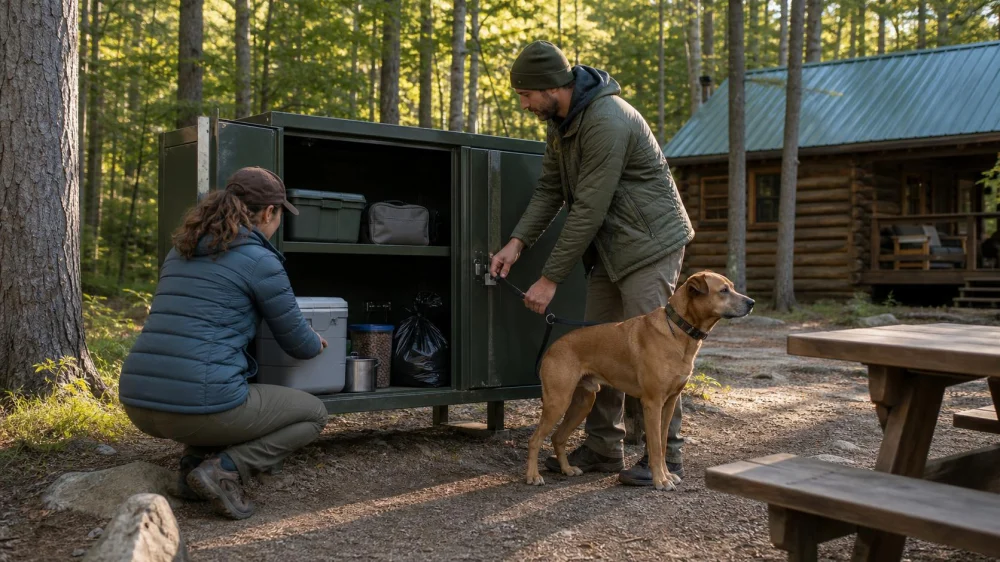
A camping cabin is not automatically an approved wildlife-resistant food container. Before arrival, read the property's current rules and confirm whether scented items belong in a supplied locker, approved bear-resistant container, or permitted locked vehicle. Store food, drinks, rubbish, toiletries, pet food, cooking gear and anything with an odour immediately, keep the cabin and cooking area crumb-free, and never feed or approach wildlife.

Tunnel Hill Mobile Home Community
LisbonSoutheastern Connecticut Planning RegionConnecticut
15 Tunnel Hill Ct, Lisbon, CT 06351, USA
What counts as a scented item
For wildlife storage, “food” commonly includes anything an animal may smell or investigate, not only edible meals. Plan storage space for:
- sealed, canned, packaged and fresh food;
- water flavouring, drinks, coolers and empty beverage containers;
- rubbish, recycling, food scraps and used food packaging;
- toothpaste, soap, cosmetics, sunscreen and insect repellent;
- pet food, treats, bowls and scented toys;
- stoves, grills, utensils, cookware and dish-cleaning items;
- medicine, lip balm, wipes, candles and other odorous products.
Check the site-specific rule
- Read the booking page, confirmation, park alerts and posted instructions.
- Ask what type and dimensions of storage are supplied and whether every cabin has access.
- Confirm whether vehicles are allowed for food storage by day, night, both or neither.
- Ask which bear-resistant containers are approved if you must bring one.
- Do not assume hanging food is allowed; some parks prohibit it.
- Check rubbish disposal hours and what to do when bins are full or locked.
Follow the strictest current posted instruction. Rules reflect local species, wildlife activity and management needs and can change during the trip.
Secure supplies on arrival
- Unload scented items directly into the approved storage rather than leaving coolers on a porch or picnic table.
- Latch the locker fully after every use, even while people are nearby.
- Clear food wrappers, crumbs, baby seats, drink cups and scented wipes from the vehicle when vehicle storage is not permitted.
- Inspect the cabin for prior food or rubbish and report it without handling unsafe material.
- Keep keys or latches accessible to adults but not children.
- Do not leave food unattended while unpacking, swimming, walking or sleeping.
Cook and eat cleanly
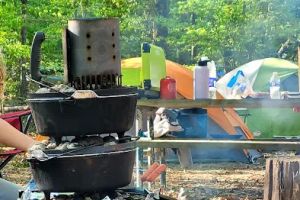
- Use only the permitted cooking area and equipment; follow cabin fire rules.
- Keep food within arm's reach of an awake adult while it is out.
- Prepare only what is needed to reduce scraps.
- Collect every crumb, peel, grease residue and dropped pet treat.
- Wash dishes as directed and strain food particles for proper disposal where required.
- Store clean and dirty cookware, fuel and rubbish according to local scented-item rules.
- Never burn food, grease, cans or rubbish in a fire ring.
Overnight and away-from-cabin storage
Before sleeping or leaving, perform a full scent sweep: tables, floor, porch, pockets, bags, bedding, vehicle, fire area and pet space. Close windows and doors as required, but do not rely on a soft-sided, screened or damaged structure to stop wildlife.
Do not store food in a tent, sleeping bag, backpack or open pickup bed. Keep the approved locker or canister closed and latched, and place portable containers according to park instructions rather than beside the cabin door.
Pets and children
- Keep pets leashed or otherwise controlled under site rules.
- Feed only at scheduled times and store bowls and leftovers immediately.
- Do not allow pets to chase, bark at or investigate wildlife.
- Teach children never to offer food, leave snacks outside or approach animals for photos.
- Keep bear spray or other deterrents, where legal and recommended, secured from children and use only with proper training.
If wildlife enters camp
Keep distance, bring people and pets to a safe location, and follow the park's species-specific instructions. Do not run toward an animal, surround it for photographs or try to recover food. Never use general bear advice for every species or situation.
Report animals obtaining human food, entering a cabin, damaging storage or behaving aggressively to a ranger, campground host or property manager promptly. Call 911 for an immediate threat when service is available.
Limitations and important notes
Wildlife behaviour and food-storage law vary by park, forest, state, season and cabin design. This general U.S. guide cannot replace current site instructions or ranger advice. Food storage reduces risk but cannot guarantee an encounter will not occur.
Do not bring unapproved deterrents, discharge weapons, move wildlife or handle carcasses. Learn the correct response for local black bears, grizzly bears, raccoons, rodents and other animals before travel.
Frequently asked questions
Can I store food inside a locked cabin?
Only if the site's current rule says that cabin is acceptable storage. Tent cabins, damaged structures and some lodging units may still require lockers.
Can I leave a cooler in the car?
Rules vary. Some parks permit locked, closed vehicles under specific conditions; others require removal to a locker. Check before arrival.
Do toiletries go in the food locker?
Often yes. Soap, toothpaste, cosmetics and other scented items can attract wildlife and commonly fall under storage rules.
Is an empty food wrapper safe in the cabin?
No. Empty packaging and rubbish retain odours and should be stored or disposed of under the same rules.
What if the locker is full?
Do not leave items outside. Contact the host or ranger and use an approved alternative they identify.
Sources and evidence notes
The National Park Service's bear safety food-storage guidance explains that rubbish, toiletries, cooking equipment and other scented items can attract bears and that storage methods vary by park. Site alerts, posted regulations and ranger instructions are the controlling sources for a particular cabin.
Next steps
Open the destination's official food-storage rules and list every scented item you plan to bring. Confirm locker size and vehicle rules, pack by storage category, and give each traveller the same arrival and overnight checklist. On site, secure items before doing anything else.

 Holly Acres Campground4.0 (132 reviews)
 Country Club Estates3.0 (2 reviews)
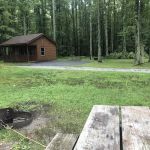 Allaire State Park Campground4.0 (123 reviews)
 Mullica River Campground4.0 (32 reviews)
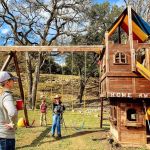 Home Away Ranch4.0 (22 reviews)
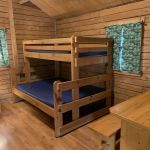 Chestnut Cottage0.0 (0 reviews)
 Why Winter is the Best Time for a Camping Cabin Getaway
 Best Remote Camping Cabins for Stargazing and Night Adventures in the U.S.
 The 10 Must-Have Amenities for a Comfortable Stay in Your Camping Cabin
 Winter Camping Cabins: How to Stay Cozy and Warm in the Cold
 Best Camping Cabins with Stunning Views of National Parks and Forests
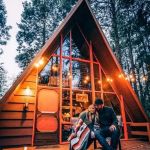 How to Create the Ultimate Outdoor Experience with a Camping Cabin