
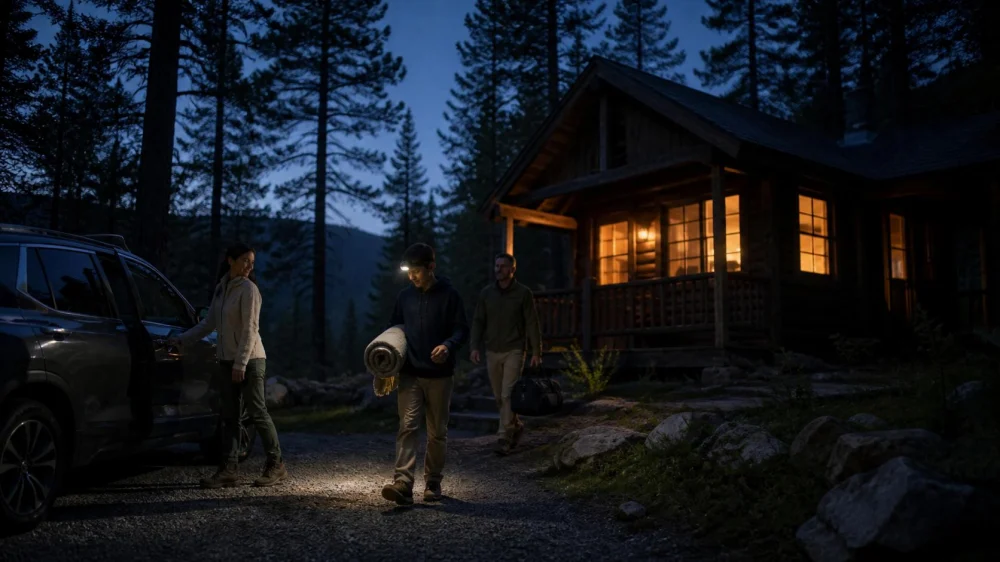
Camping Cabin Quiet Hours: Plan Sound, Lights, and Arrival
On this page
- Confirm the current quiet hours
- Understand quiet versus generator hours
- Plan a low-impact arrival
- Manage voices and music
- Use outdoor light considerately
- Prepare children and pets
- Handle vehicles and equipment
- Respect wildlife and night safety
- Respond to a noise problem
- Plan an early departure
- Quiet hours checklist
Quiet hours at a camping cabin protect more than sleep. They reduce conflict between neighboring sites, limit unnecessary light and sound around wildlife, and make late-night movement easier to manage. The exact hours and rules vary by property, season, event, and land manager, so a familiar campground routine should never replace the current posted policy.
A good plan begins before the car reaches the cabin. Confirm arrival instructions, organize gear, download directions, and tell the group what needs to become quieter after the stated time. These steps help you settle in without slamming doors, searching with bright lights, or calling across the property.

Heckscher State Park Campground
East IslipSuffolk CountyNew York
77 Timber Point Rd, East Islip, NY 11730, USA
Confirm the current quiet hours
Read the reservation terms and current property rules. Ask for the start and end times, the areas covered, and the contact method for after-hours questions. A cabin resort may set one policy for private interiors, another for porches and shared areas, and stricter rules for vehicles or amplified sound.
Check for seasonal changes, holiday events, fire restrictions, and local ordinances. Save the instructions offline because cell coverage may be weak. At check-in, read posted notices and ask staff to clarify any difference from the booking information.

Understand quiet versus generator hours
Quiet hours do not necessarily define when a generator, outdoor appliance, power tool, or vehicle may operate. Equipment hours can be shorter and may be prohibited entirely near cabins. Confirm all relevant schedules rather than assuming that a machine is allowed until quiet time begins.
Never operate fuel-burning equipment inside a cabin, tent, porch, attached space, or near openings. Carbon monoxide can build up without warning. Follow the manufacturer, property, and emergency guidance, and report an alarm immediately by moving to fresh air and contacting emergency services.
Plan a low-impact arrival
Aim to arrive with enough daylight to locate the property, inspect the cabin, unload, and understand access. If a late arrival is unavoidable, notify the host and ask whether entry is permitted. Confirm the correct road, gate, parking area, key or code process, and cabin number before losing service.
Pack the first-night essentials together so you do not unpack every bag. Keep headlamps, keys, bedding, medicines, water, and sleep clothes easy to reach. Close vehicle and cabin doors gently, talk at a low volume, and move only the gear needed for a safe night.
Manage voices and music
Sound travels differently in forests, across water, through valleys, and between closely spaced cabins. A normal conversation on a quiet porch can carry farther than expected. Move social time indoors when allowed, close windows as appropriate, and avoid shouting between the cabin, fire area, and parking space.
Turn off outdoor speakers before quiet hours and keep indoor audio low enough that it cannot be heard outside. Headphones reduce shared noise but should not prevent awareness of alarms, children, wildlife, weather, or other hazards. Do not use a car stereo as a substitute sound system.
Use outdoor light considerately
Bright white lights can shine into neighboring windows and reduce night vision. Use the lowest light that safely fits the task, aim it downward, and switch it off when finished. A warm, shielded headlamp is often more useful than a floodlight for walking between a cabin and vehicle.
Do not cover emergency lighting, disable safety fixtures, or darken steps that guests must use. Motion lights and vehicle headlights may be governed by the property. Park facing away from nearby cabins when practical and safe, and avoid repeatedly locking a vehicle if its horn sounds each time.
Prepare children and pets
Explain quiet hours to children in concrete terms: voices become indoor voices, running games end, doors close softly, and devices use headphones at an appropriate volume. Prepare calm evening activities and complete washing or shared-facility trips before the quiet period where possible.
Keep pets secured and follow the property's rules. Evening wildlife, unfamiliar sounds, and neighboring animals can trigger barking or pulling. Plan toilet breaks, bring familiar bedding, and never leave a pet tied outside or alone in a vehicle. If an animal cannot settle safely, contact the host rather than allowing prolonged disturbance.
Handle vehicles and equipment
Minimize engine idling, horn chirps, alarms, and repeated trips. Unload coolers, chairs, firewood, and heavy bins before quiet hours. Do not leave a vehicle running for climate control near occupied cabins, and never sleep in a running vehicle because of carbon monoxide risk.
Finish chopping, hammering, inflating mattresses, cleaning grills, and moving metal equipment earlier in the evening. If medical or accessibility equipment makes sound, discuss placement and power needs with the property before arrival. Essential equipment should be accommodated through planning, not switched off unsafely.
Respect wildlife and night safety
Quiet does not mean moving without awareness. Carry a light, wear suitable footwear, stay on permitted routes, and supervise children. Never approach an animal for a closer look or use sound to lure it. Store food, trash, toiletries, and scented items exactly as the property or land manager directs.
If wildlife is near the route, give it distance and follow local guidance. Do not run blindly through a dark area or send a pet ahead. For an immediate threat, get to a secure place and contact the relevant ranger, host, or emergency service.
Respond to a noise problem
Use the property's stated reporting channel. Note the time, location, and type of disturbance without recording private conversations or confronting an unknown group. Staff or a host can determine whether the activity violates policy and respond through the appropriate process.
If you feel unsafe, remain in a secure place and contact emergency services for threats or immediate danger. Do not retaliate with more noise, bright lights, or online accusations. For a routine issue, a factual message and the cabin or site location are more helpful than assumptions about the people involved.
Plan an early departure
Pack most gear the evening before, subject to food-storage and fire-safety rules. Lay out clothes, prepare a simple cold breakfast if appropriate, and settle payment or key instructions. Confirm whether a vehicle may leave before quiet hours end and which route avoids occupied sites.
In the morning, use minimal light, close doors gently, and avoid scraping coolers or luggage across the porch. Complete every checkout requirement and never leave hot ashes, unsecured trash, or an unlocked cabin in the interest of leaving quietly.
Quiet hours checklist
- Confirm current quiet, equipment, entry, and vehicle hours.
- Download directions and late-arrival instructions.
- Pack first-night gear where it can be reached quickly.
- Finish unloading and noisy setup before the cutoff.
- Turn off outdoor audio and lower voices early.
- Aim lights downward and away from neighboring cabins.
- Prepare calm routines for children and secured pets.
- Store food and scented items under current wildlife rules.
- Report disturbances through the designated contact.
- Pack ahead for a quiet, complete early checkout.
Camping cabin quiet hours are easiest to follow when they shape the whole arrival and departure plan. Verify the times, finish noisy tasks early, control light as carefully as sound, and keep safety equipment operating. Thoughtful preparation lets your group enjoy the evening while leaving the surrounding cabins—and the nighttime landscape—undisturbed.

 Ocean Isle Campground4.0 (102 reviews)
 Hillside Valley Mobile Home Community3.0 (28 reviews)
 Skipper's Point Campground3.0 (19 reviews)
 Heckscher State Park Campground4.0 (56 reviews)
 The Hornets Nest5.0 (2 reviews)
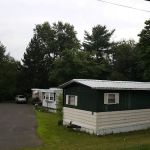 Friendly Mobile Park3.0 (8 reviews)
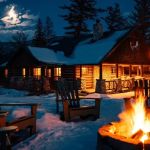 Why Winter is the Best Time for a Camping Cabin Getaway
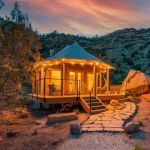 Best Remote Camping Cabins for Stargazing and Night Adventures in the U.S.
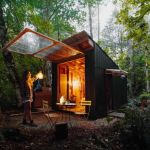 The 10 Must-Have Amenities for a Comfortable Stay in Your Camping Cabin
 Winter Camping Cabins: How to Stay Cozy and Warm in the Cold
 Best Camping Cabins with Stunning Views of National Parks and Forests
 How to Create the Ultimate Outdoor Experience with a Camping Cabin