
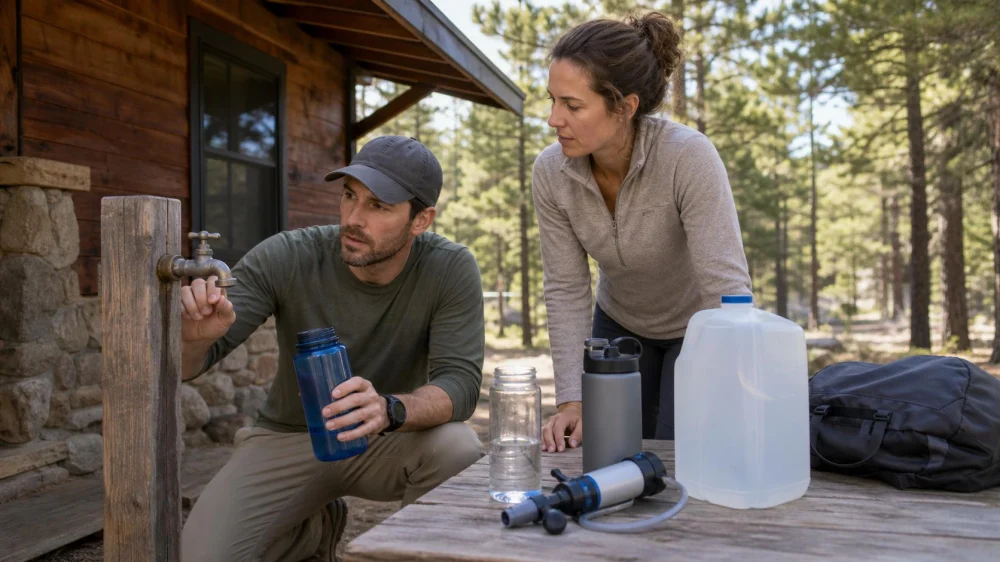
Camping Cabin Water: Check, Treat, and Store It Safely
On this page
Quick answer
Before using water at a camping cabin, confirm its source and whether the operator says it is potable. Check current notices, inspect taps and containers, and bring backup drinking water. If safety is uncertain, use an appropriate treatment method for the suspected hazard; boiling or filtering alone does not remove every possible contaminant.
Ask before the trip
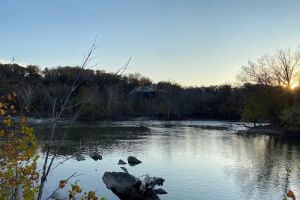
“Running water” does not always mean treated drinking water. A cabin may use a municipal connection, private well, hand pump, storage tank, or seasonal system. The source can change with weather, maintenance, and campground operations.
Contact the operator shortly before arrival and ask:
- Is the cabin water currently approved for drinking, cooking, and brushing teeth?
- Is water available inside, at a shared spigot, or only at a central building?
- Are any boil-water, do-not-drink, or do-not-use notices active?
- Is the supply seasonal, and can outages occur?
- Where is the nearest reliable backup source?
Bring more water than the group expects to drink, especially for children, older adults, pregnant travelers, people with weakened immune systems, and pets. Include water for medications, simple meals, and brushing teeth.

Oakview Bed and Breakfast
New OrleansOrleans ParishLouisiana
1172 City Park Ave #3724, New Orleans, LA 70119, USA
Inspect the water setup
On arrival, read posted instructions before opening a tap or pump. Check whether the outlet is labeled potable or non-potable. Look for broken covers, damaged hoses, leaks, unusual discoloration, sediment, or odors. Keep hands, cups, and bottle mouths away from the spout.
Clear-looking water can still contain microorganisms or chemicals. Appearance and taste cannot prove safety. If the posted status conflicts with what the operator told you, stop and verify before consuming it.
Check advisories
Different notices require different actions. A boil-water advisory generally addresses microorganisms and may allow water to be made safer by vigorous boiling according to public-health directions. A do-not-drink notice may involve chemicals or toxins that boiling will not remove and may concentrate. A do-not-use notice means avoiding contact as directed.
- Read the exact notice and its effective date.
- Follow the campground and local public-health instructions.
- Use bottled or another approved source when required.
- Apply the same rule to ice, coffee, cooking, toothbrushing, and pet water.
- Wait for an official all-clear rather than assuming a notice has expired.
Choose a treatment method
No single portable treatment works against every biological and chemical hazard. The safest choice depends on the source and current public-health advice.
- Boiling: effective against many disease-causing organisms when performed for the time and elevation specified by authorities, but it does not remove fuels, toxic chemicals, salts, or heavy metals.
- Filters: performance depends on pore size and certification. Many backpacking filters remove protozoa and bacteria but not viruses or dissolved chemicals.
- Chemical disinfectants: require the correct product, dose, water temperature, clarity, and contact time. Some parasites are more resistant.
- UV devices: require adequate power and relatively clear water, and they do not remove chemical contaminants.
Use the manufacturer's directions exactly. When the source may contain fuel, pesticide, mining runoff, harmful algal toxins, or another chemical hazard, do not try to make it safe with routine camping treatment. Use an approved alternate source.
Store water safely
Treated or packaged water can become contaminated during storage. Use food-grade containers intended for drinking water. Clean and sanitize reusable containers according to public-health guidance, then keep caps and spouts protected.
- Label drinking water clearly and separate it from wash water or fuel.
- Pour from the container instead of dipping cups or hands inside.
- Keep containers shaded and secured against animals.
- Never reuse a container that held chemicals, fuel, or non-food liquids.
- Discard water when the container becomes dirty or its safety is doubtful.
Daily cabin checklist
- Review campground alerts and posted signs each morning.
- Confirm the backup supply is still adequate.
- Inspect caps, spouts, and treatment equipment.
- Keep clean and untreated containers separate.
- Record treatment times so water is not used too soon.
- Use safe water for drinking, food preparation, oral care, ice, and pets.
- Report a damaged pump, strange odor, or sudden color change to the operator.
Respond to possible illness
Diarrhea, vomiting, fever, or abdominal pain after using cabin water can have many causes. Stop using the suspected source and switch to approved water. Contact a healthcare professional, particularly for severe symptoms or for a person at higher risk.
Seek urgent care for signs of serious dehydration, confusion, fainting, bloody stool, persistent vomiting, severe pain, or inability to keep fluids down. Tell the clinician where the water came from, when it was consumed, how it was treated, and whether other guests are ill. Notify the campground or relevant public-health authority so the supply can be assessed.
Important limitations
This is general travel-safety information, not a water-quality test or medical diagnosis. Local advisories and operator instructions override generic advice. Home taste, smell, or clarity checks cannot establish potability, and common outdoor filters cannot be assumed to remove chemicals or viruses.
Sources and evidence notes
- U.S. Centers for Disease Control and Prevention: guidance on making water safe in emergencies and choosing backcountry treatment methods.
- U.S. Environmental Protection Agency: public drinking-water advisories and emergency disinfection information.
- National Park Service: visitor guidance on potable water, hydration, and protecting water sources.
- NSF: certification information for drinking-water treatment products; certification scope varies by device.
Check the current official guidance for the location and the instructions supplied with any treatment device.
Frequently asked questions
Does a clear mountain spring need treatment?
Yes, unless the responsible authority confirms it is a safe potable source. Clear water can contain disease-causing organisms that cannot be seen.
Can I boil water during a do-not-drink notice?
Not as a general solution. Boiling does not remove many chemical contaminants and can concentrate some. Use the alternate source specified by authorities.
Is a standard pitcher filter enough for cabin water?
Do not assume so. Check the product's certified contaminant-reduction claims against the hazards identified for that source.
Should pets drink from the same safe supply?
Yes. Follow campground and veterinary guidance, and do not let pets drink from water subject to an advisory or from potentially contaminated surface water.
Conclusion
A safe cabin-water plan starts before arrival: confirm the source, check current advisories, bring a backup, and understand what your treatment equipment can and cannot do. Protect treated water from recontamination and reassess the supply daily. When chemical contamination or illness is possible, switch sources and seek authoritative guidance.
 Wading Pines Camping Resort4.0 (435 reviews)
 Hillsedge haven - The Hideout5.0 (2 reviews)
 Hidden Valley5.0 (24 reviews)
 Cedar Lake Campground4.0 (326 reviews)
 Julie Y Cabin3.0 (4 reviews)
 Jersey Shore Haven Airstream Park4.0 (33 reviews)
 Why Winter is the Best Time for a Camping Cabin Getaway
 Best Remote Camping Cabins for Stargazing and Night Adventures in the U.S.
 The 10 Must-Have Amenities for a Comfortable Stay in Your Camping Cabin
 Winter Camping Cabins: How to Stay Cozy and Warm in the Cold
 Best Camping Cabins with Stunning Views of National Parks and Forests
 How to Create the Ultimate Outdoor Experience with a Camping Cabin