
Camping Cabin Wildfire Smoke and Evacuation Checklist
On this page
- Quick answer
- Check conditions before the trip
- Make an arrival evacuation plan
- Smoke exposure versus fire danger
- Reduce smoke exposure
- What to do when told to evacuate
- Vehicle, children, and pets
- Cabin evacuation go-bag
- Limitations and important notes
- Frequently asked questions
- Sources and evidence notes
- Next steps
Quick answer
Before a cabin trip, check official fire closures, local alerts, weather and AirNow smoke conditions. On arrival, identify two exit routes, keep the vehicle fuelled and facing out, and leave keys, shoes, medicines, documents and pet gear ready. Smoke alone calls for exposure reduction based on health guidance; an evacuation warning or order requires following local authorities immediately—do not wait to watch the fire.
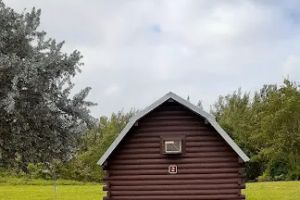
Cabin 2 on PRIM Loop in Oleta River State Park
North MiamiMiami-Dade CountyFlorida
Unnamed Road, North Miami, FL 33181, USA
Check conditions before the trip
- Read official park, forest, county, Tribal and property alerts—not only travel reviews or social posts.
- Check road closures, fire restrictions, weather warnings and the AirNow Fire and Smoke Map.
- Ask the property for its cancellation, relocation and emergency-communication process.
- Confirm mobile coverage, alert signup and whether a radio is needed.
- Identify people with asthma, heart or lung disease, pregnancy, older age or other smoke vulnerability and ask a clinician about travel.
- Cancel or change the trip when officials close the area or conditions exceed the group's safe plan.
Make an arrival evacuation plan
- Locate the posted evacuation map, emergency number and nearest staffed point.
- Drive and save the primary exit route, then identify a second route that does not depend on the same road.
- Park only where permitted, facing the exit without blocking emergency vehicles.
- Keep sufficient fuel or charge for delays and diversion.
- Choose a group meeting point outside the hazard area.
- Keep keys, phones, chargers, footwear and go-bags together.
- Assign responsibility for children, pets, mobility assistance and notifications.
Smoke exposure versus fire danger
Wildfire smoke can travel far from flames, so unhealthy air does not necessarily mean fire is near the cabin. Conversely, light smoke does not prove there is no fire threat. Use separate official sources for air quality and incident evacuation status.
Air Quality Index guidance helps decide how to modify activity for smoke. Evacuation alerts, warnings and orders come from local emergency authorities and should guide movement. Do not use an air-quality app as a substitute for an evacuation notice.
Allaire State Park Group Campsite
Wall TownshipMonmouth CountyNew Jersey
4001 Squankum Allenwood Rd, Allenwood, NJ 08720, USA
Reduce smoke exposure
- Check current AQI repeatedly because smoke can change quickly.
- Reduce or reschedule strenuous outdoor activity and spend less time outside.
- Keep cabin windows and doors closed when advised and when it does not create unsafe heat.
- Use approved indoor filtration if available and operated according to instructions.
- Do not burn a campfire, candle or other source that worsens indoor or outdoor particles.
- If an N95 respirator is appropriate and available, use a genuine, well-fitting model; cloth masks do not protect against wildfire smoke particles.
- Seek cleaner air or medical advice when symptoms or vulnerability warrant it.
What to do when told to evacuate
- Leave promptly by the route authorities direct. Do not delay for photos, packing or property protection.
- Account for every person and pet and notify the designated contact.
- Close windows and doors if instructed and if doing so does not delay departure.
- Take the go-bag, medicines, identification and essential mobility equipment already prepared.
- Drive slowly with headlights on when visibility is reduced and watch for crews, animals and debris.
- Do not drive around barriers, enter closed roads or return until authorities say it is safe.
Vehicle, children, and pets
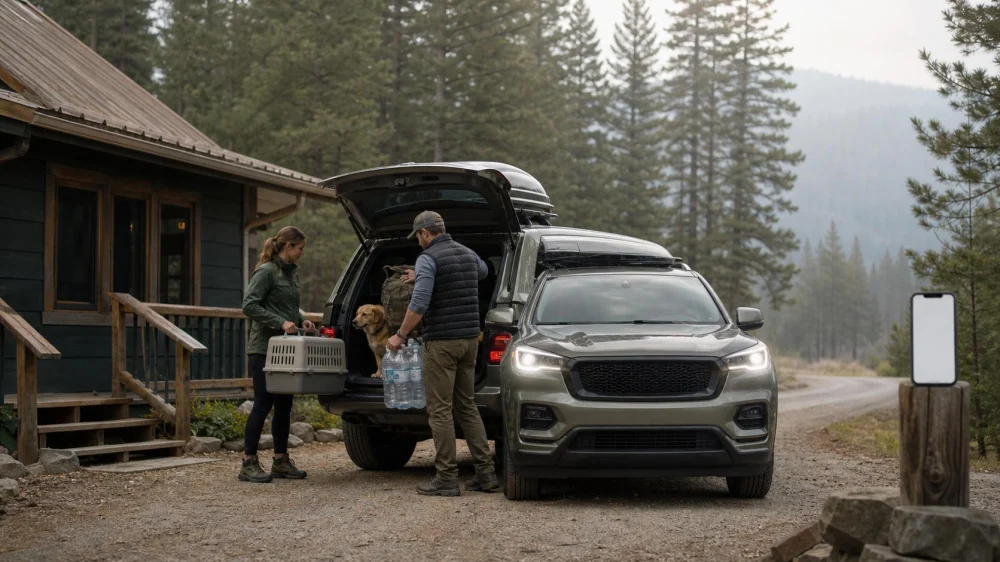
Keep the vehicle accessible rather than boxed in by other cars. Install child restraints before conditions worsen. Secure cats and small pets in carriers and dogs with appropriate restraints; keep leads, water, food, medicines, waste supplies and identification ready.
Never leave a person or animal in a hot, smoky parked vehicle. If the vehicle fails or the route becomes blocked, contact emergency officials, give the exact location and follow instructions rather than choosing an unverified forest road.
Cabin evacuation go-bag
- identification, reservation address and offline route map;
- essential medicines, medical devices and a health summary;
- charged phones, cables, power bank and battery radio if advised;
- water and compact food that can be stored under wildlife rules;
- N95 respirators in suitable sizes where appropriate;
- flashlight, sturdy shoes, long clothing and basic first-aid supplies;
- pet carriers, leads, medicines, microchip details and recent photos;
- payment method and emergency contact list.
Limitations and important notes
Wildfire behaviour, terminology, evacuation zones and smoke advice vary by jurisdiction and can change minute by minute. Current local emergency instructions always override this general checklist. A cabin is not a guaranteed fire shelter or clean-air space.
Call 911 for severe breathing difficulty, chest pain, confusion, fainting or immediate fire danger. Do not attempt to fight a wildland fire, operate unfamiliar firefighting equipment, or remain to defend a rental property.
Frequently asked questions
Should I cancel a trip because the sky looks smoky?
Use official fire status, closures, AQI, forecast, property guidance and individual health needs. Appearance alone cannot establish risk.
Can a cloth face covering filter wildfire smoke?
AirNow states cloth masks do not protect against wildfire smoke particles. A properly fitting N95 can reduce exposure when used correctly but does not make an evacuation area safe.
Should I shelter in the cabin during an evacuation order?
No, unless emergency authorities specifically direct sheltering. Follow the current order and route without delay.
Can I use the cabin fireplace during smoky weather?
Avoid adding indoor or outdoor smoke and obey all fire restrictions and property rules. Do not use any combustion device when prohibited or unsafe.
When can I return?
Only when the responsible authority lifts restrictions and the property confirms access. Roads, utilities, trees and air may remain hazardous after flames pass.
Sources and evidence notes
AirNow wildfire smoke guidance recommends monitoring current conditions, reducing strenuous outdoor activity, limiting exposure and using suitable respiratory protection where appropriate. The National Park Service's wildfire safety guidance supports following incident instructions and closing doors and windows before evacuation when directed and safe.
Next steps
Save the destination's official fire, closure and emergency pages and add AirNow conditions. Pack the go-bag before leaving home. At the cabin, park for departure, identify two exits and brief the group. If an order arrives, leave immediately with the plan already in hand.
 Holly Acres Campground4.0 (132 reviews)
 Country Club Estates3.0 (2 reviews)
 Allaire State Park Campground4.0 (123 reviews)
 Mullica River Campground4.0 (32 reviews)
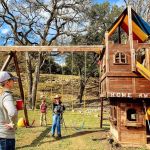 Home Away Ranch4.0 (22 reviews)
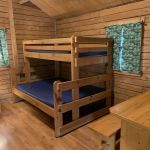 Chestnut Cottage0.0 (0 reviews)
 Why Winter is the Best Time for a Camping Cabin Getaway
 Best Remote Camping Cabins for Stargazing and Night Adventures in the U.S.
 The 10 Must-Have Amenities for a Comfortable Stay in Your Camping Cabin
 Winter Camping Cabins: How to Stay Cozy and Warm in the Cold
 Best Camping Cabins with Stunning Views of National Parks and Forests
 How to Create the Ultimate Outdoor Experience with a Camping Cabin