
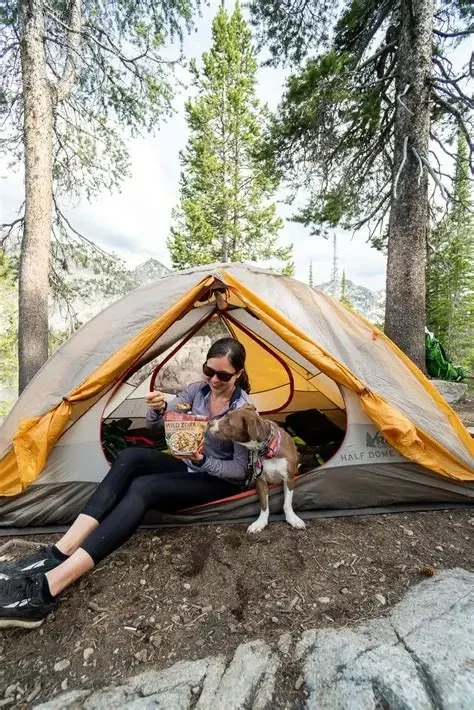
Chasing Light in the Wild: Planning a Photography-Focused Camping Escape
- Nature photography camping trip planning essentials - timing, location, and mindset
- Gear strategy - balancing camera equipment and camping essentials
- Field techniques - capturing wildlife, landscapes, and changing light
- Real story - a photographer’s unexpected night in the Rockies
- Creative workflow - turning outdoor shots into compelling visual stories
Understanding the Purpose Behind a Photography Camping Trip
A nature photography camping trip is not just about sleeping outdoors—it’s about placing yourself inside the environment you want to capture. Unlike day trips where you rush to catch light before sunset, camping allows photographers to slow down and observe how landscapes change hour by hour.
This extended immersion is what makes camping photography different. You are no longer chasing moments; you are living inside them. Fog rolling over a lake at dawn, deer stepping into a clearing at dusk, or stars revealing themselves after midnight all become part of a continuous visual narrative.
Choosing the Right Location for Maximum Visual Impact
Balancing Accessibility and Wilderness
When planning outdoor photography planning routes, location selection becomes your foundation. Remote national parks often offer dramatic landscapes, but they require careful preparation. More accessible campgrounds can still provide incredible opportunities if you understand the terrain and seasonal patterns.

Researching Seasonal Light Conditions
Light behaves differently depending on latitude, elevation, and season. For example, alpine regions in late summer offer long golden hours, while northern forests may provide softer, diffused lighting ideal for moody compositions.
Wildlife Activity Patterns
For those focused on wildlife photography camping, understanding animal behavior is essential. Early mornings and twilight hours are typically the most active times, and setting up camp near known migration paths increases your chances of meaningful encounters.
Essential Gear Strategy for Outdoor Photographers
Balancing Camera Equipment with Mobility
One of the biggest challenges in camping photography tips is weight management. Carrying too much gear can slow you down, but carrying too little may limit your creative options. Many photographers prioritize a lightweight mirrorless camera system with a versatile zoom lens.
Camping Essentials That Protect Your Gear
Weather is unpredictable in the wild. Dry bags, weatherproof backpacks, and silica gel packs help protect sensitive equipment from humidity and sudden rainstorms. Even a short exposure to moisture can damage expensive lenses.
Power Management in Remote Locations
Battery life becomes a critical factor. Portable solar chargers and high-capacity power banks are often essential when staying multiple nights in remote campsites without access to electricity.
A Real Story from the Field: The Unexpected Storm
A landscape photographer once shared a story from a trip in the Colorado Rockies. He had planned a simple two-night stay to capture sunrise reflections on a mountain lake. On the second night, an unexpected storm rolled in faster than forecasted.
Instead of leaving, he stayed inside his tent and waited. At dawn, the storm cleared, revealing mist rising off the water with snow-dusted peaks glowing in soft light. That single moment became his most published photograph.
This experience reflects an important truth: successful nature photography camping trip outcomes often depend more on patience than planning precision.
Techniques for Capturing Powerful Outdoor Images
Working with Natural Light Transitions
Light changes quickly in natural environments. The golden hour is often the most sought-after time, but blue hour and overcast conditions can produce equally compelling results with softer contrast and richer tones.
Composing with Depth and Scale
Including foreground elements like rocks, branches, or water reflections helps create depth in landscape photography. This technique guides the viewer’s eye into the scene rather than just across it.
Capturing Movement in Nature
Whether it’s flowing water, swaying trees, or moving wildlife, motion adds emotion to images. Adjusting shutter speed allows photographers to either freeze action or create intentional blur for artistic effect.
Camping Workflow for Photographers
Morning Routine for Maximum Output
Many experienced photographers wake before sunrise to scout compositions in low light. This preparation ensures they are ready when the best lighting conditions appear.
Midday Strategy for Scouting and Rest
Midday light is often harsh, making it a good time to explore new locations, review captured images, or rest before evening sessions.
Evening Setup for Golden Opportunities
As the sun lowers, landscapes transform dramatically. Positioning yourself early ensures you are not rushing during peak light conditions.
Why Camping Enhances Photographic Creativity
Extended time in nature removes the pressure of quick decisions. Instead of forcing shots, photographers begin to notice subtle changes in environment and mood. This deeper awareness often leads to more meaningful compositions.
It also encourages experimentation. Without strict time limits, you can revisit the same location multiple times under different lighting conditions, refining your creative vision.
Turning Field Experience into Lasting Visual Stories
The final step of any camping photography journey happens after returning home. Organizing images into thematic collections helps transform raw captures into structured storytelling.
Adjusting color balance, cropping for composition, and selecting key images are all part of this process. The goal is not just to show what you saw, but to communicate how it felt to be there.
Where Preparation Meets Opportunity
A successful nature photography camping trip depends on preparation, patience, and adaptability. The wild is unpredictable, but that unpredictability is exactly what makes it inspiring.
For photographers looking to upgrade their outdoor experience or find reliable camping setups designed for extended stays, Camping Cabins offers resources and gear ideas tailored for immersive nature exploration.

 Brookside Mobile Estates4.0 (50 reviews)
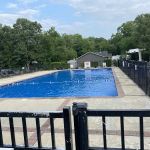 Butterfly Camping Resort4.0 (288 reviews)
 Deer Run3.0 (32 reviews)
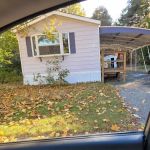 Maple Glen Mobile Home Park2.0 (24 reviews)
 Acorn Campground4.0 (180 reviews)
 Friendly Mobile Park3.0 (8 reviews)
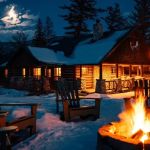 Why Winter is the Best Time for a Camping Cabin Getaway
 Best Remote Camping Cabins for Stargazing and Night Adventures in the U.S.
 The 10 Must-Have Amenities for a Comfortable Stay in Your Camping Cabin
 Winter Camping Cabins: How to Stay Cozy and Warm in the Cold
 Best Camping Cabins with Stunning Views of National Parks and Forests
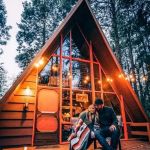 How to Create the Ultimate Outdoor Experience with a Camping Cabin