
RV Awning Guide: Setup, Take Down, and Storm Safety Tips
- Introduction to RV Awnings
- How to Set Up Your RV Awning
- How to Properly Take Down Your RV Awning
- Storm Safety Tips for RV Awnings
- Real-Life Case Study: Protecting Your RV Awning
An RV awning can significantly enhance your camping experience by providing shade, shelter, and privacy. However, knowing how to properly set it up, take it down, and protect it from the elements is key to ensuring that your awning lasts for years. In this guide, we will walk you through the essential steps of using your RV awning and provide tips for maintaining it during adverse weather conditions.

Skipper's Point Campground
GunpowderHarford CountyMaryland
1601 Skippers Point Rd, Gunpowder, MD 21010, USA
How to Set Up Your RV Awning
Setting up an RV awning is relatively simple, but there are a few key things to remember to ensure that it's done safely and securely.
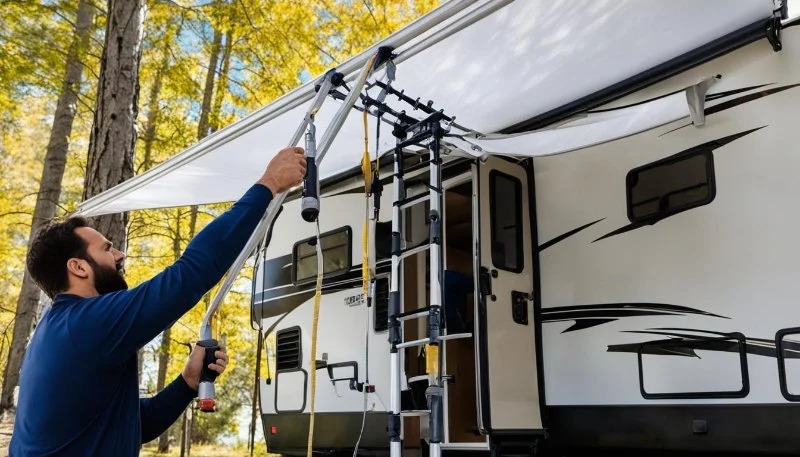
- Locate the Awning: Start by finding the awning’s casing on the side of your RV. It should be securely fastened to prevent it from opening during travel.
- Unlatch the Awning: Release the locks or straps holding the awning in place. For manual awnings, you may need to gently pull the awning’s fabric outward.
- Extend the Awning: Slowly extend the awning outward using the hand crank or motorized controls. Make sure the awning extends evenly without any obstructions or tangles.
- Adjust the Support Poles: If necessary, place the adjustable poles into their appropriate positions. Ensure the poles are tightly secured and positioned at the correct angle for optimal shade and water runoff.
- Check for Stability: Give the awning a gentle shake to make sure everything is secure. Check that no part of the awning is at risk of falling down or blowing away.
How to Properly Take Down Your RV Awning
Taking down your RV awning is just as important as setting it up correctly. Neglecting this step can lead to damage or injury. Follow these steps to safely retract your awning:
- Remove the Support Poles: Carefully take down any support poles and store them safely inside your RV to prevent them from being damaged or misplaced.
- Retract the Awning: Using the hand crank or motorized controls, gently retract the awning back into its casing. Be sure to move slowly and avoid any jerky movements that could damage the mechanism.
- Secure the Awning: Once retracted, ensure the awning is tightly secured with the locks or straps. Double-check that the awning is completely inside its casing and not sticking out.
- Inspect for Damage: Before you finish, take a quick look at your awning to ensure that it hasn’t been damaged during use. Look for any rips, tears, or signs of wear.
Storm Safety Tips for RV Awnings
While an awning can provide great comfort during sunny days, strong winds, rain, and storms can cause serious damage if proper precautions aren’t taken. Here are some storm safety tips to keep in mind:
- Take It Down Before a Storm: If you know that a storm is coming, it’s best to take down your RV awning to avoid wind damage. Even moderate winds can rip your awning off its mounts or cause the fabric to tear.
- Use Tie-Downs: If you must leave the awning up during light winds, use tie-downs to secure the awning to the ground. This will help stabilize it and reduce the risk of it being blown away.
- Check the Weather Forecast: Always check the weather forecast before using your awning. If heavy rain or strong winds are expected, it’s best to retract the awning and store it safely.
- Avoid Using the Awning During High Winds: High winds can cause significant damage to your awning, so avoid using it during gusty conditions. If you’re camping in an area prone to strong winds, consider installing a weather-resistant RV awning or investing in a more robust one.
Real-Life Case Study: Protecting Your RV Awning
Take the case of John and Sarah, who recently encountered a powerful storm during their RV camping trip in Oregon. "We had been using our awning all day, but when we heard the wind pick up, we decided to retract it just in time," John recalled. "We were lucky, as the storm caused several nearby campers’ awnings to tear. It’s a good thing we followed the storm safety tips." Their experience highlights the importance of being proactive about securing your awning during adverse weather.
Properly setting up, taking down, and maintaining your RV awning will ensure that it serves you for many trips to come. Whether you're camping in sunny weather or braving a storm, following these steps will help keep your awning safe and functional. For more products and services related to camping, check out Camping Cabins for the best recommendations on RV awning accessories and more!


 Ocean City Campground & Beach Cabins4.0 (239 reviews)
 GA Camping North5.0 (7 reviews)
 Princeton Beach Estates3.0 (22 reviews)
 Pleasant Valley Family Campground4.0 (134 reviews)
 Winding Brook Mobile Homes Pk3.0 (21 reviews)
 Benwood Knolls5.0 (1 reviews)
 Why Winter is the Best Time for a Camping Cabin Getaway
 Best Remote Camping Cabins for Stargazing and Night Adventures in the U.S.
 The 10 Must-Have Amenities for a Comfortable Stay in Your Camping Cabin
 Winter Camping Cabins: How to Stay Cozy and Warm in the Cold
 How to Create the Ultimate Outdoor Experience with a Camping Cabin
 Best Camping Cabins with Stunning Views of National Parks and Forests