
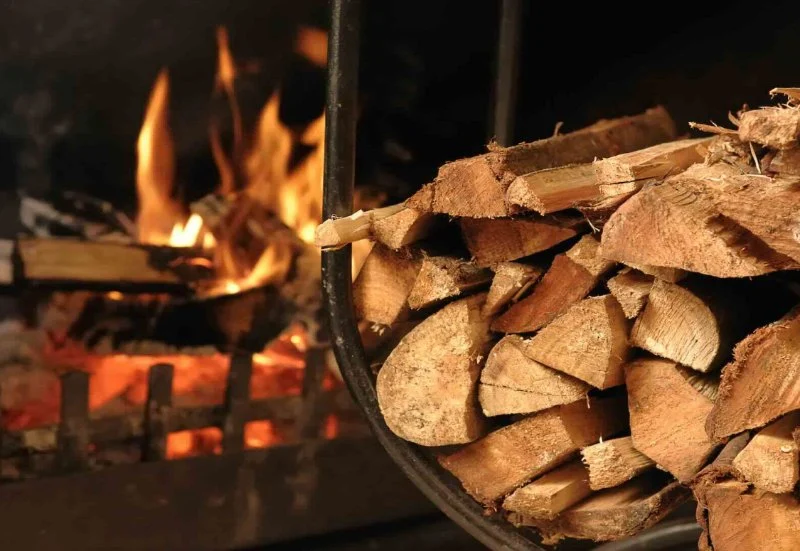
Ultimate Guide to Choosing Firewood and Campfires
- Why Choosing the Right Firewood Matters
- Types of Firewood for Campfires
- How to Build the Perfect Campfire
- Firewood Storage and Care
- Campfire Safety Tips Every Camper Should Know
Why Choosing the Right Firewood Matters
When you’re camping, few things are as satisfying as sitting around a warm campfire, especially after a day of outdoor activities. But the key to a great campfire experience lies in choosing the right firewood. Using the wrong type of wood can lead to a smoky fire, poor heat output, or a fire that simply won’t burn. Whether you're planning a cozy fire or a roaring bonfire, the wood you choose plays a critical role in how well your fire burns and how enjoyable your evening will be.
Choosing the right firewood involves more than just grabbing any wood you find in the woods. It’s about understanding the different types of wood, their burning characteristics, and how to properly prepare and store it for the best results. Let’s dive into everything you need to know to make your next campfire a success.

Aces High RV Park
East LymeSoutheastern Connecticut Planning RegionConnecticut
301 Chesterfield Rd, East Lyme, CT 06333, USA
Types of Firewood for Campfires
There are several types of firewood available, each with its own unique burning properties. Some burn hot and fast, while others burn slowly and evenly. Here's a rundown of the most common types of firewood and their ideal uses for campfires:

1. Hardwoods
Hardwoods, such as oak, hickory, and maple, are excellent choices for campfires because they burn longer, produce more heat, and create less smoke. These dense woods can be harder to split but are ideal for long-lasting, hot fires that provide steady warmth throughout the evening.
2. Softwoods
Softwoods like pine, spruce, and fir are lighter and easier to split but burn faster and create more smoke. They are great for starting a fire quickly or for smaller, more controlled fires. However, they tend to leave more ash and may not provide as much sustained heat as hardwoods.
3. Seasoned vs. Green Wood
Seasoned wood has been dried out for at least six months, which makes it burn more efficiently with less smoke. Green wood, on the other hand, is fresh-cut and retains moisture, which can cause it to burn poorly and create excess smoke. Always choose seasoned wood for the best campfire experience.
How to Build the Perfect Campfire
Now that you’ve chosen the right firewood, it’s time to build your campfire. Here’s a simple step-by-step guide to creating a safe and efficient campfire:
1. Prepare the Fire Pit
Before you start your campfire, ensure that the fire pit is clear of any debris, dry leaves, or flammable materials. You want a clean, safe area to build your fire. If you’re using an established campfire ring, make sure it’s free of ashes from previous fires.
2. Start with Tinder
Tinder is the material that helps your fire start. Use dry, small materials like leaves, grass, or paper to get the fire going. Tinder should catch fire quickly to help ignite your kindling (slightly larger sticks or branches).
3. Add Kindling
Once your tinder is burning, add small pieces of kindling to build the fire. These should be dry twigs, small sticks, or small branches that catch fire easily. Arrange them in a teepee shape, leaving enough space for air to circulate.
4. Add Larger Logs
As the kindling starts to burn, gradually add larger pieces of firewood. Start with small to medium logs, and as the fire grows, add larger logs to maintain the heat. Be sure not to smother the fire by adding too much wood at once—allow the fire to breathe.
5. Maintain the Fire
Once the fire is going, keep adding wood as needed to maintain the flames. Remember to always keep a safe distance from the fire, and never leave a fire unattended.
Firewood Storage and Care
To ensure your firewood is ready for your next camping trip, proper storage is key. Here’s how to store and care for your firewood:
1. Store Firewood Off the Ground
Keep your firewood off the ground to prevent it from absorbing moisture. Use a wood rack or stack your wood on a raised surface like a pallet to ensure airflow around the logs. This will keep the wood dry and ready for your next campfire.
2. Keep It Covered
If you’re storing wood outdoors, make sure it’s covered with a tarp or a firewood shed to protect it from rain and snow. Covering your wood will help keep it dry and ensure that it burns properly when you need it.
Campfire Safety Tips Every Camper Should Know
Building a campfire is fun and relaxing, but it’s essential to follow safety guidelines to avoid accidents. Here are some critical campfire safety tips:
1. Always Keep Water Nearby
Always have a bucket of water or a fire extinguisher nearby in case the fire gets out of control. You can never be too prepared when it comes to fire safety.
2. Never Leave a Fire Unattended
Always keep an eye on the fire. Never leave it unattended, even for a short period. If you need to leave, make sure the fire is completely out before walking away.
3. Extinguish the Fire Properly
When it’s time to extinguish the fire, pour water over the flames and stir the ashes to ensure everything is wet and cool to the touch. Never leave a fire smoldering, as it can reignite later.
By choosing the right firewood and following safety guidelines, you can create a memorable and enjoyable campfire experience. Whether you’re camping in a cabin or out in the wilderness, knowing how to properly build and maintain a campfire is an essential skill.
For more tips on camping and firewood, visit Camping Cabins for the best camping gear and firewood options to make your next outdoor adventure perfect.

 Tall Pines Campground Resort4.0 (484 reviews)
 Chapman Manufactured Housing4.0 (106 reviews)
 Mill Creek Falls Retreat Center4.0 (27 reviews)
 Chips Folly Family Campground4.0 (91 reviews)
 Jellystone Park™ Quarryville4.0 (1879 reviews)
 Country View Mobile Home Park3.0 (6 reviews)
 Why Winter is the Best Time for a Camping Cabin Getaway
 Best Remote Camping Cabins for Stargazing and Night Adventures in the U.S.
 The 10 Must-Have Amenities for a Comfortable Stay in Your Camping Cabin
 Winter Camping Cabins: How to Stay Cozy and Warm in the Cold
 How to Create the Ultimate Outdoor Experience with a Camping Cabin
 Best Camping Cabins with Stunning Views of National Parks and Forests