
Camping Cabin First-Aid Planning: Know Where Help Is
On this page
Quick answer
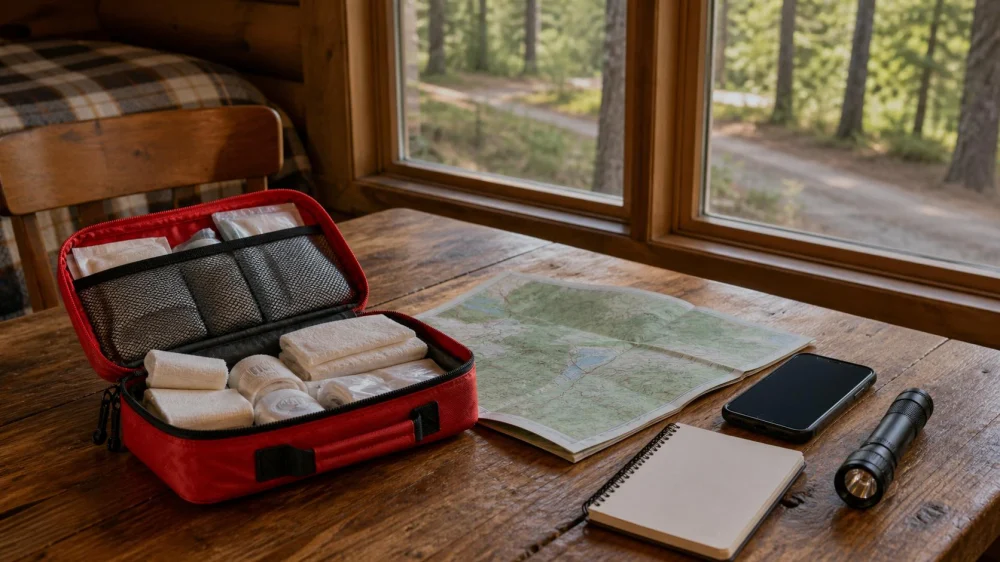
Before staying in a camping cabin, write down the property name, cabin or loop number, road access, campground office contact, local emergency instructions, and the nearest place where reliable communication is available. Bring a stocked first-aid kit that matches the group, season, activities, and distance from professional care. Make sure more than one adult knows where the information and supplies are.
A first-aid plan supports early action; it does not replace emergency services or medical assessment. If a situation is severe, worsening, or beyond your training, seek professional help immediately.

Pocono Estates
East StroudsburgMonroe CountyPennsylvania
104 Lower PMHE S Dr, East Stroudsburg, PA 18302, USA
Record the cabin location
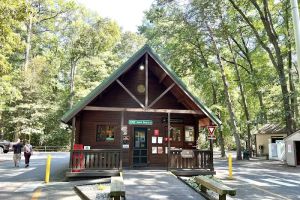
A street address alone may not identify a remote cabin. At check-in, confirm the official location description responders use, including the campground, cabin number, loop, gate, access road, and any locked entrance. Save it on paper and offline on a phone.
- Note the GPS coordinates only if the property recommends them.
- Identify a visible meeting point for responders.
- Ask whether large emergency vehicles can reach the cabin.
- Keep gates and access routes clear.
- Do not rely on a booking nickname that local dispatch may not recognize.
Confirm ways to get help
Test phone service after arrival without placing a false emergency call. Locate any campground phone, emergency call box, host site, ranger station, or staffed office. Ask what to do outside office hours and whether the campground has an alert or evacuation system.
If communication is limited, agree on who would travel to the nearest confirmed contact point and who would remain with the injured person. Do not invent a route during an emergency; identify it while conditions are calm.
Match the kit to the trip
Check expiration dates and replace used or damaged supplies. Common basics may include protective gloves, dressings, bandages, cleansing supplies, blister care, a thermometer, tweezers, and an emergency blanket. Pack personal medicines in their original containers and keep them within their required temperature range.
Activities change needs. Hiking, paddling, cycling, winter travel, children, older adults, allergies, and pets may require additional planning or qualified advice. Do not pack unfamiliar equipment as a substitute for training.
Brief the group
- Show everyone where the kit and emergency information are stored.
- Identify adults with current first-aid or CPR training.
- Review allergies, medical needs, and emergency contacts privately with relevant people.
- Set check-in times for solo outings.
- Keep children from accessing medicines and sharp supplies.
Place the kit somewhere dry and quickly reachable, not buried under luggage or locked where only one person has the key.
Respond to an emergency
Protect yourself from immediate hazards, contact emergency services, give the exact location, and follow dispatch instructions. Do not move a seriously injured person unless remaining in place is more dangerous. Send someone to guide responders only when it is safe to do so.
Afterward, replace supplies and document relevant details for the campground, insurer, or clinician as appropriate. Do not publish images or personal medical information without consent.
Important limitations
This article provides general U.S. trip-planning information, not diagnosis, treatment, or a substitute for certified first-aid training. Emergency numbers, response times, access, and communication options vary. Follow official campground instructions and guidance from emergency dispatchers and licensed clinicians.
Evidence notes
The plan follows established emergency-preparedness principles: know the exact location, identify reliable communication, keep appropriate supplies accessible, assign roles before an incident, and escalate beyond the group's skills. The property and local emergency authorities are the best sources for site-specific procedures.
FAQ
Is a phone map enough?
No. Save key details offline and keep a paper backup in case the phone fails or loses service.
Where should the first-aid kit stay?
In a dry, visible, quickly accessible place that is secure from children and animals.
Should every group member know medical details?
Share only what is necessary and with consent. At least one responsible person should know how to relay critical information.
Can a satellite communicator replace emergency planning?
No. Coverage, subscriptions, batteries, and response processes vary; learn the device before the trip.
When should I call for help?
Call promptly for life-threatening, severe, worsening, or uncertain conditions and follow dispatcher guidance.
Next steps
Contact the cabin property for its official emergency location and after-hours procedure. Update the first-aid kit, download an offline map, write a one-page information card, and review the plan with the group on arrival.

 Ben Franklin RV Park4.0 (166 reviews)
 Milltown Landing Campsite4.0 (3 reviews)
 Hawaiian isles5.0 (1 reviews)
 Duck Neck Campground4.0 (197 reviews)
 Greenbriar Village3.0 (94 reviews)
 Hudson View Terrace4.0 (31 reviews)
 Why Winter is the Best Time for a Camping Cabin Getaway
 Best Remote Camping Cabins for Stargazing and Night Adventures in the U.S.
 The 10 Must-Have Amenities for a Comfortable Stay in Your Camping Cabin
 Winter Camping Cabins: How to Stay Cozy and Warm in the Cold
 How to Create the Ultimate Outdoor Experience with a Camping Cabin
 Best Camping Cabins with Stunning Views of National Parks and Forests